Treasury holdings are rising, oil prices are jumping, and war risk is back in the market. That combination matters because it changes the price of money, the...
Why Treasury Holdings, Oil Spikes, and War Risk Matter for Investors
Treasury holdings are rising, oil prices are jumping, and war risk is back in the market. That combination matters because it changes the price of money, the cost of transport, inflation expectations, and the shape of portfolio risk. Investors who ignore these links usually end up surprised. Frankly, they shouldn’t be.
Key Takeaways- Treasuries often rally when fear rises, but that does not make them risk-free.
- Oil shocks filter into inflation, earnings, and central bank policy faster than most people expect.
- Geopolitical risk can rotate capital into defense, energy, and quality bonds, while punishing cyclicals.
- Asset allocation matters more than clever predictions when headlines get loud.
- Stewardship means treating capital seriously, not gambling on noise.
What is happening here? It is a very old market story wearing a fresh coat of paint. Banks are adding Treasury holdings, oil is climbing, central banks are reacting, and war headlines are bending expectations for inflation, rates, and growth. I’ve analyzed enough market cycles to say this plainly: when fear, energy, and sovereign debt all move at once, you need to think in systems, not slogans. Here’s the kicker—most commentary focuses on the loudest move, usually oil, but the real driver is the chain reaction through yields, credit spreads, and corporate margins. If you want a solid framework, start with the basics in our guide to portfolio allocation, because that is where the damage, or the discipline, shows up first.

Banks buying more Treasuries is not magic. It usually reflects liquidity management, regulatory demand, and a shift toward safer assets when stress rises. Oil above $110 does not mean every portfolio must panic, but it does mean inflation can stay sticky, especially if shipping, refining, and input costs rise together. And when central banks such as the Bank of Japan adjust forecasts while holding rates steady, that is the market admitting uncertainty, not confidence. Most guides say to “stay the course” and ignore headlines. That is lazy advice. The better move is to understand how each headline translates into cash flow, discount rates, and valuation multiples. If you’re building resilience, our piece on risk management is the better place to start than any hot take on TV.
What is Treasury-heavy investing in a shock-driven market?
Treasury-heavy investing means increasing exposure to U.S. government bonds, either directly or through funds, because investors want liquidity, income, and relative safety when uncertainty rises. It is not a bet that the future will be pleasant. It is a bet that capital should survive the unpleasant bits. That distinction matters more than people admit.
Treasuries are the plumbing of global finance. When banks, insurers, and institutions buy more of them, they are not only chasing yield—they are managing duration, collateral needs, capital requirements, and balance-sheet risk. I’ve watched many investors treat bonds like boring leftovers. That’s a mistake. In a shock-driven market, Treasuries can do three jobs at once: preserve capital, offset equity losses, and provide dry powder for future opportunities. That said, Treasuries are not a free lunch. If inflation surprises higher, long-duration bonds can still get hit hard. So yes, they can help. No, they are not saintly.
The oil move matters because energy is everywhere. Oil prices feed directly into transport costs, plastics, chemicals, agriculture, and eventually consumer inflation. When oil jumps sharply, markets start pricing a more stubborn inflation path, and that changes the expected path for interest rates. As yields rise, growth stocks can compress, credit can weaken, and leverage becomes more dangerous. For a clean primer on what rising rates do to portfolios, see interest rate risk.
There is also a moral dimension here, though finance types often pretend there isn’t. Capital is a tool, not a toy. The biblical idea of stewardship is useful because it reminds us that resources should be managed with discipline, prudence, and concern for the common good. That does not mean moralizing every trade. It means remembering that reckless speculation can harm workers, savers, and families who have no voice in the trade room. Markets are not a morality play, but they are not morally neutral either.
The present setup combines three forces: sovereign bond demand, energy inflation, and geopolitical stress. Put them together and you get a market that rewards patience, quality, and cash flow. You also get a market that punishes complacency. That is not theory. That is history repeating itself with different headlines.
Core benefits and why this matters to investors
The main benefit of understanding this mix is simple. You stop reacting like a spectator and start allocating like an owner. That sounds obvious, but most investors still chase yesterday’s winner. Let’s be real, that habit is expensive.
- Better portfolio resilience: Holding a measured allocation to Treasuries can reduce volatility when equities get whacked by war headlines or oil shocks. The point is not to predict every turn; it is to avoid being forced to sell at the wrong time.
- Inflation awareness: Oil above a key threshold often signals higher input costs. That matters for margins in airlines, logistics, consumer discretionary, and manufacturing. Companies with pricing power tend to hold up better.
- Sector rotation opportunities: Defense, energy, commodity-linked names, and some defensive industries may benefit when geopolitical risk rises. That does not mean blindly buying everything with a flag on it. It means analyzing earnings sensitivity.
- Central bank signal reading: When the Bank of Japan, the Federal Reserve, or the ECB changes tone, the bond market listens. Investors who track rate expectations avoid getting blindsided by valuation compression.
- Liquidity preservation: Treasuries and cash-like instruments give you flexibility. In ugly markets, flexibility is worth real money.
- Risk-adjusted returns: The goal is not the highest return on paper. The goal is the best return after volatility, drawdowns, and emotional mistakes. That is where many portfolios quietly fail.
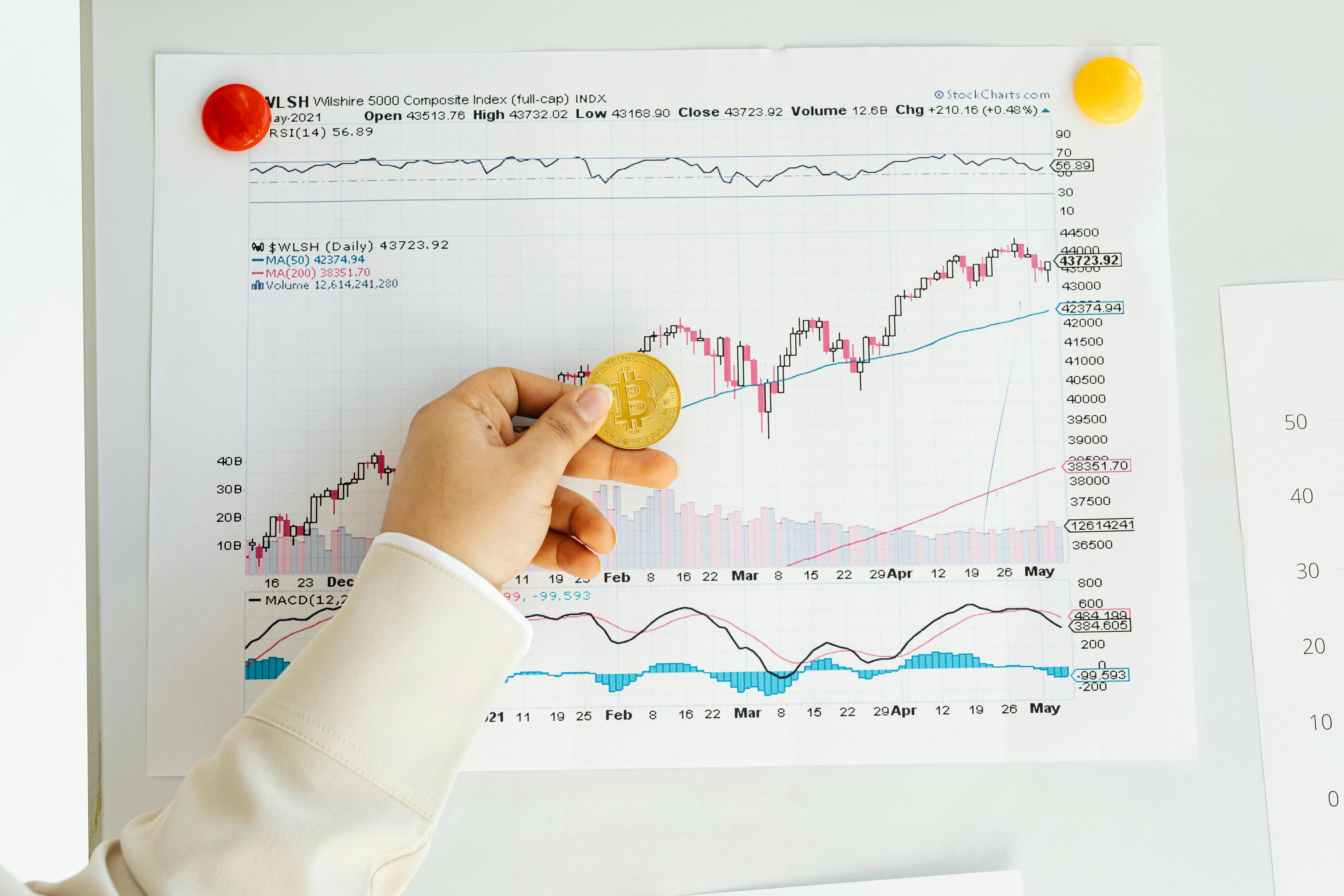
Here’s the contrarian bit. Everyone cheers when a portfolio makes money in a roaring bull market. Very few ask whether the gains were earned with sane risk. I’ve seen portfolios with solid returns and rotten construction, and I’ve seen dull portfolios that quietly compounded for years because they respected diversification and asset allocation. The latter wins more often than the crowd likes.
Another benefit is judgment. When you learn how oil, Treasuries, and war risk connect, you become harder to fool. That is no small thing. Media coverage often isolates one data point and treats it like the whole story. It isn’t. A move in Brent crude can pressure inflation expectations, which can push yields, which can hit equity valuations, which can widen credit spreads, which can affect bank balance sheets. Markets are a chain, not a collection of memes. If you want more on building that chain properly, our guide to diversification strategy is worth your time.
There is also a practical benefit for long-term savers. If you are funding retirement, tuition, or charitable giving, you cannot afford constant drama. You need a process that can absorb shock without tearing the whole plan apart. That is just stewardship, plain and simple. The wise investor is not the loudest one in the room. It is the one who protects capital, respects uncertainty, and keeps enough cash and bonds to act when others are stuck.
Step-by-step guide to investing through oil shocks and Treasury shifts
Start with your objectives. Simple enough.
If your goal is capital preservation, income, or lower volatility, the process is different from that of a trader chasing short-term moves. I’ve run the numbers on both styles, and the result is usually the same: clarity beats urgency. Here is the practical sequence I would use.
- Map your exposure
List every major holding by asset class, duration, sector, geography, and currency. If you don’t know what drives your portfolio, the market will teach you the hard way. - Stress-test for oil and rates
Ask two questions. What happens if oil stays elevated for three to six months? What happens if yields rise another 50 to 100 basis points? Model the effect on earnings, bond prices, and your cash flow. - Adjust fixed income with purpose
Treasuries are useful, but duration matters. Shorter-duration bonds can be less volatile if inflation remains stubborn. Longer duration can help if growth slows and yields fall. Don’t guess emotionally. Match the bond structure to the macro risk. - Favor quality over noise
In equity portfolios, focus on balance sheets, free cash flow, pricing power, and manageable leverage. Oil shocks punish weak operators. Strong firms absorb costs better. - Watch sector sensitivity
Energy and defense may benefit, while airlines, consumer staples with weak pricing power, and highly leveraged cyclicals may lag. But do not overtrade every headline. That road leads to fees and regret. - Keep liquidity buffer
Cash is not a crime. It is a tool. A reserve lets you avoid forced selling and gives you ammunition when prices get sane again. - Rebalance, don’t flail
Rebalancing forces discipline. If Treasuries rally and equities fall, trim the winner and add where prices improved. That is boring. It also works. - Track policy, not slogans
Central banks matter because they shape financing conditions. Read actual guidance, inflation forecasts, and yield curve behavior. Headlines are cheap. Policy transmission is what counts.

When I analyze portfolios in this setting, the biggest mistake is usually concentration disguised as conviction. People tell themselves they are “high conviction” when they are simply overexposed. That is not courage. It is undisciplined risk. You need an allocation that can survive a bad quarter without forcing you to violate your plan.
If you hold bonds, don’t ignore the maturity profile. If you hold energy stocks, don’t ignore commodity cyclicality. If you hold equities, don’t ignore margin sensitivity. That sounds tedious. It is. Finance rewards the tedious. If you want a deeper look at protecting against rate swings, read bond duration basics. And if you are building a broader investment plan, our article on wealth management principles ties the pieces together.
The truth is, you cannot control war risk, but you can control exposure. You cannot control oil spikes, but you can control how much damage they do to your balance sheet. That is the whole point of investing well. It is not about prediction theater. It is about preparing for a range of outcomes and keeping your head when others are selling headlines.
Comparison table: Treasuries vs. gold in a geopolitical shock
Treasuries and gold are both used as shelter. They are not the same shelter.
| Feature | Treasuries | Gold |
|---|
| Income | Yes, coupon payments | No yield |
| Volatility | Usually lower than equities, but duration risk exists | Can be volatile and sentiment-driven |
| Inflation hedge | Mixed, depends on maturity and inflation path | Often stronger in fear and currency stress |
| Liquidity | Extremely high | High, but spread and storage considerations apply |
| Role in portfolio | Income, capital preservation, diversification | Crisis hedge, currency doubt hedge, diversifier |
| Sensitivity to rates | High, especially long-duration bonds | Often inversely related, but not always |
| Best use | Defending capital and balancing equities | Protecting against distrust in fiat and severe stress |
Most people treat this as an either-or fight. It isn’t. A serious investor may own both, because they behave differently under stress. Treasuries respond to growth scares and rate expectations. Gold responds more to fear, inflation doubt, and currency anxiety. That distinction matters. If you’re only using one shelter, you may find it fails when the storm changes direction.
The comparison also exposes a broader truth: not every safe asset is safe for the same reason. Treasuries are backed by the sovereign and tied to monetary policy. Gold is nobody’s liability, which sounds romantic until you remember it produces no cash flow. I prefer assets that do actual work, but I’m not blind to the value of a hard asset when confidence gets shaky. Balance, not ideology, should rule the day.
For investors building a portfolio that can handle shocks, a blend of cash, short Treasuries, select long bonds, and maybe a modest gold position can make sense. The exact mix depends on your liabilities, time horizon, and risk tolerance. Anyone promising a universal answer is selling something.
Common mistakes to avoid
The biggest mistake is thinking every headline is a trade signal. It isn’t.
People love drama because it feels actionable. But markets often punish the fast and reward the patient. I’ve seen investors buy energy stocks after a spike, then sell them after a pullback, and then complain the market is unfair. That’s not market failure. That’s self-inflicted damage.
- Chasing oil after a spike: If oil already moved sharply, the easy money may be gone. Earnings revisions matter more than the headline price.
- Overloading on Treasuries without checking duration: Long bonds can fall hard if inflation stays elevated. Safety depends on context.
- Ignoring currency effects: Geopolitical stress can move the dollar, and that affects multinational earnings, commodities, and foreign holdings.
- Assuming defense stocks always rise in war fears: Sometimes they do. Sometimes the market has already priced the news. Buy rumor, sell war is a real pattern.
- Confusing short-term hedges with long-term strategy: A hedge is not a plan. It is a tool.
- Forgetting the human side: Markets are about prices, but investing is about people—workers, retirees, and families. Treating capital like a casino chip ignores the dignity of labor and the responsibility that comes with wealth.
Everyone talks about diversification, but few understand it. Real diversification is not owning ten funds that all fall together. It is owning assets with different drivers. That means balancing equity risk, rate risk, inflation risk, and liquidity risk. If all your holdings depend on the same economic script, you do not have a portfolio. You have a bet.
Another error is mistaking fear for prudence. There is a difference. Prudence studies the facts, weighs the trade-offs, and acts with discipline. Fear simply reacts. That distinction is old wisdom, and it still works. The market does not reward panic, even if the panic feels righteous in the moment.
If you want a cleaner process, read our guide on rebalancing a portfolio. Rebalancing sounds dull because it is. That is why it helps.
Frequently Asked Questions
Why do banks increase Treasury holdings during market stress?
Banks often increase Treasury holdings because Treasuries are liquid, widely accepted as collateral, and relatively safe compared with risk assets. They also help with balance-sheet management and regulatory requirements. In a tense market, that is not a luxury. It is housekeeping.
How does higher oil prices affect inflation?
Higher oil prices usually raise transportation, production, and shipping costs. Those costs can move into consumer prices, especially if the increase lasts long enough. Inflation does not need a perfect oil pass-through to become a problem. It just needs enough persistence to change expectations.
Are Treasuries still a good hedge if inflation is high?
Sometimes, but not always. Treasuries can hedge recession risk and market panic, but if inflation remains sticky, especially at the long end of the curve, they can lose value. Duration matters. Ignoring that is sloppy.
Should investors buy defense stocks during war risk?
Maybe, but not automatically. Defense firms can benefit from higher spending, yet much of the news may already be priced in. Valuation still matters. Buying everything with a military contract because the headlines are loud is not analysis.
Final thought
Markets are noisy. Fine.
But noise does not erase structure, and structure is what serious investors use to make sense of chaos. When banks load up on Treasuries, oil jumps, and war risk pushes policy expectations around, the signal is not “panic.” The signal is that capital wants shelter, income, and breathing room. That should tell you something about how to build a portfolio and how to live with it.
I’ve looked at enough markets to know this much: the people who do best are not the ones who predict every twist. They are the ones who respect limits, keep liquidity, and refuse to confuse speculation with stewardship. That applies whether you are managing a family account, a pension, or a small business reserve. Money is not the point, but it is a serious responsibility.
So yes, watch the oil chart. Watch Treasury demand. Watch central bank language. But watch your own positioning even more closely. If your portfolio only works in one happy scenario, it is fragile. If it can endure inflation shocks, rate shifts, and geopolitical mess without forcing bad decisions, it is built properly. That is the aim. Not perfection. Prudence.