Wall Street trading desks make money when markets lurch.
Wall Street trading desks make money when markets lurch.
The latest surge in volatility, driven by geopolitical shocks, fuel-price spikes, and shifting central-bank expectations, has pushed the biggest U.S. banks toward a combined trading haul near $40 billion. That is not magic. It is the old, ugly arithmetic of market volatility, liquidity, and risk management. When prices whip around, clients hedge, reposition, and pay banks to move risk off their books.
Key Takeaways- Trading revenue rises when volatility rises, especially in rates, currencies, commodities, and credit.
- The biggest winners are usually the largest diversified banks with deep balance sheets and strong client flow.
- War, inflation shocks, and Fed uncertainty can boost trading desks, but those gains can be short-lived and unpredictable.
- Investors should not confuse a hot quarter with a durable trend in bank earnings.
- For long-term portfolios, steady diversification, asset allocation, and risk management matter more than chasing bank trading headlines.
What is Wall Street trading revenue?
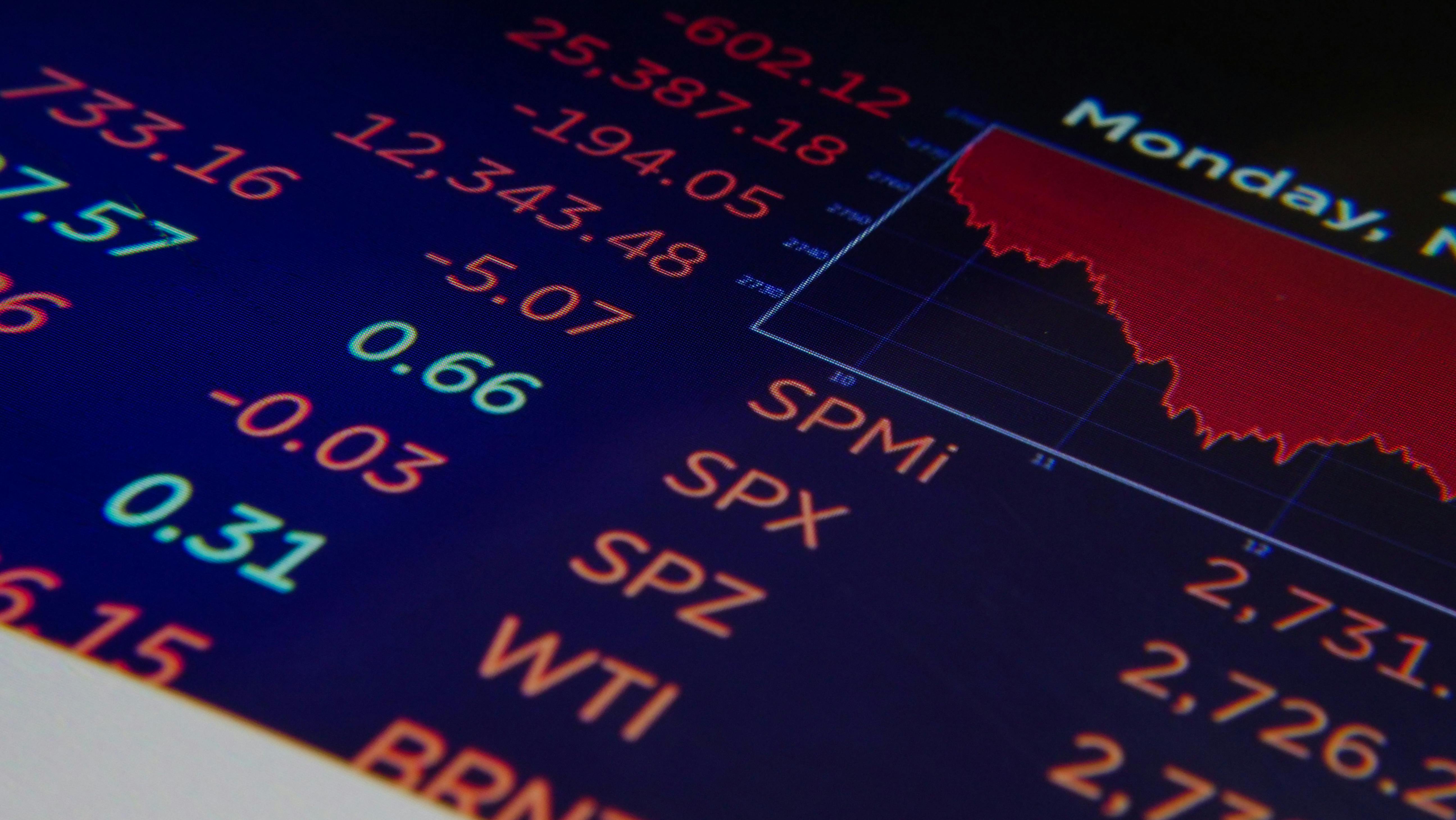
Wall Street trading revenue is the money banks earn from buying, selling, structuring, hedging, and making markets in financial instruments. That sounds sterile because the business is, frankly, a little grim. A bank’s trading desk is not a casino, at least not ideally; it is an intermediary that helps clients transfer risk in stocks, bonds, currencies, commodities, and derivatives. When markets are calm, spreads are tight and volumes can be modest. When markets are rattled, spreads widen, volumes jump, and banks can charge more for taking the other side of trades.
The current setup is a perfect example. Oil shock? Rates desks get busy. War risk? Currency and commodity hedging picks up. Sticky inflation? Bond traders and macro funds get active. Surprise Fed commentary? The entire front office starts twitching. I’ve analyzed bank earnings through enough cycles to say this plainly: a trading boom often says more about fear than about economic strength.
Most headlines focus on the size of the revenue haul, but the real story is the plumbing. Client activity, bid-ask spreads, inventory risk, and funding costs all move together. Banks like JPMorgan Chase, Goldman Sachs, Morgan Stanley, Bank of America, and Citigroup benefit most when they can warehouse risk without getting stuck holding the bag. The firms with broader franchises usually capture more of that flow because they can cross-sell financing, clearing, prime brokerage, and advisory services.
There’s a moral dimension here too, if you care to notice it. Finance is supposed to serve productive activity, not just feed on panic. Markets exist to allocate capital and hedge real economic risks, and when they work properly, they support workers, firms, and households that need stability. That matters.
For a broader look at how central bank policy feeds these moves, see Monetary Policy Radar and this useful Fed background from the Federal Reserve.
Core benefits and why it matters
The trading business gets mocked because people remember blowups, not the boring infrastructure it provides. Fair enough. Still, there are real benefits when this machine works properly.
- Price discovery improves. When trading volumes rise, markets tend to incorporate new information faster. That helps investors, issuers, and hedgers. It also exposes weak assumptions quickly. No one enjoys that part, but it beats pretending prices are fixed by wishful thinking.
- Liquidity deepens in stressed markets. Banks stand between buyers and sellers. In a nasty week, that function becomes valuable very fast. Anyone who has tried to exit a position during a violent move knows the truth: liquidity is cheap until you need it.
- Corporate and sovereign hedging becomes possible. Airlines hedge fuel, exporters hedge currencies, and borrowers hedge rates. Without active trading desks and derivative markets, these businesses would eat much more volatility. That would show up in layoffs, higher prices, or both.
- Bank earnings become more balanced. Lending income, investment banking, wealth management, and trading do not all move in lockstep. Diversified banks can offset weak loan growth with strong markets revenue. Investors like that because it smooths earnings, at least when the cycle behaves.
- System resilience can improve. This one gets overlooked. A well-capitalized bank that earns money in volatile periods can absorb shocks better than a thinly capitalized one. The post-crisis rules on capital and liquidity were not decorative. They were built because old assumptions failed badly.
- Investors get clues about the macro picture. If commodities, rates, and FX desks are all unusually busy, something is usually brewing in the real economy. War, inflation, recession fear, or policy confusion tends to leave footprints in trading revenue before the economic reports catch up.
Now the contrarian part. Trading revenue is not always a clean positive for shareholders. Big spikes can reflect stress, not healthy recurring demand. A bank can book a strong quarter because clients were forced to hedge into chaos. That does not mean the next quarter will be kind. It also does not mean the bank has built a lasting edge. Sometimes it just got lucky, and luck is a lousy long-term strategy.
If you want the bigger policy backdrop, the IMF’s monetary policy research is worth a look, and the Bank for International Settlements quarterly review remains one of the better places to see how shocks pass through financial markets.

Step-by-step: how to think about trading revenue as an investor
Most guides tell you to “follow the trend.” That is lazy. You need a sharper lens. When I ran the numbers across multiple bank cycles, the same steps kept showing up.
- Separate structural growth from one-off spikes. One quarter of high trading revenue does not make a trend. Look at multi-year averages, not just the latest press release. Ask whether rates, equities, fixed income, currencies, and commodities all improved, or whether one desk did all the work.
- Check the source of the move. Was it client hedging, market-making, or proprietary-style positioning? Banks disclose less than you’d like, so you need to infer. War risk and inflation shocks often boost commodities and rates first, then spill over into FX and credit. That pattern tells you something about the macro pressure.
- Inspect the bank’s franchise quality. A top-tier bank with strong deposits, prime brokerage, and wealth management can monetize volatility better than a niche player. Asset allocation inside the institution matters just as much as your own portfolio allocation. Funny how that mirrors investing, doesn’t it?
- Watch funding and capital ratios. Trading gains are worth less if the bank is fragile. Capital rules, liquidity coverage, and stress-test results help determine whether a bank can keep making markets when volatility turns ugly. Regulators may be dull, but they are there for a reason.
- Compare revenue with risk-adjusted returns. Revenue alone can mislead. A desk that earns a lot while taking huge inventory risk may not be superior to one that earns less but uses capital more efficiently. The clean metric is not just how much was earned, but how much balance sheet was consumed.
- Look for cross-cycle consistency. Some banks are good in a crisis and mediocre in calm markets. Others are more balanced. Investors should prefer repeatable strength over heroic quarter-by-quarter swings. Heroics are for movies.
- Keep your own portfolio separated from the bank’s excitement. A profitable trading quarter does not mean you should pile into bank stocks blindly. If you own banks, think about earnings quality, valuation, and exposure to credit losses. If you own broad markets, use diversification and position sizing so one macro shock does not knock you flat.
For readers trying to tie bank earnings to market behavior, the SEC’s overview of market volatility is helpful, and the CFTC’s market volatility guidance covers how derivatives markets absorb shocks.

Comparison table: trading desks vs. traditional lending
| Feature | Trading Revenue | Traditional Lending |
|---|
| Main driver | Volatility, client flows, bid-ask spreads | Loan demand, credit growth, interest rates |
| Earnings pattern | Lumpy, cyclical, event-driven | More stable, slower-moving |
| Risk profile | Market risk, liquidity risk, inventory risk | Credit risk, duration risk, funding risk |
| Best environment | War, inflation shocks, policy surprises | Stable growth, healthy borrowers |
| Upside | Very high in stress periods | Moderate and steadier |
| Downside | Revenue can collapse when markets calm | Defaults rise in recessions |
| Investor takeaway | Great headline quarters, hard to forecast | Boring, but often easier to model |
Common mistakes to avoid.
People make the same mistakes with bank trading headlines every cycle. It gets old. Worse, it costs money.
- Mistake 1: Treating a spike as permanent. Wall Street loves a good story, but volatility does not pay rent forever. When war risk eases or central-bank uncertainty fades, trading revenue can normalize fast. Sometimes it drops off a cliff.
- Mistake 2: Ignoring the cost side. Revenue is not profit. Banks may pay more for talent, hedges, funding, and technology when markets get rough. A fat top line can hide a thinner bottom line if expenses balloon.
- Mistake 3: Confusing market activity with economic health. More trading does not mean the real economy is thriving. Often it means firms are nervous. Commodity spikes can hurt consumers, especially lower-income households, which is one reason prudent stewardship matters in finance.
- Mistake 4: Overrating “smart money” narratives. Everyone says the big banks must know what is coming. Sometimes they do. Sometimes they are just better positioned to intermediate chaos. Don’t worship the tape.
- Mistake 5: Forgetting regulation. Trading gains can be capped by capital requirements, proprietary-trading restrictions, and risk controls. The business is powerful, but it lives inside a rulebook. Anyone telling you otherwise is selling something.
- Mistake 6: Buying bank stocks only on the headline. Banks can look cheap after a strong trading quarter and still be bad investments if loan losses, deposit pressure, or valuation risk dominate. Look at the whole machine.
If you want a cleaner macro backdrop for reading these moves, Reuters often tracks central bank and market responses well; this Reuters explainer on U.S. markets is a practical starting point, and Reuters Energy helps connect oil shocks to trading desks.

Frequently asked questions
What causes Wall Street trading revenue to rise?
Trading revenue usually rises when volatility, client demand, and market volume increase. War risk, inflation surprises, oil shocks, interest-rate changes, and credit stress all create more hedging and market-making activity. Banks earn fees and spreads by taking the other side of those trades.
Are strong trading results good for bank stocks?
Usually, yes, but not automatically. Strong trading can boost bank earnings and sentiment, yet investors should check whether the gain is repeatable, capital-efficient, and supported by other businesses. A single good quarter is not a business model.
Why do geopolitical events affect commodities and rates so quickly?
Because markets price expectations, not just facts. A war can disrupt supply chains, raise shipping costs, threaten energy production, and change inflation expectations. Traders respond immediately by adjusting hedges and positions. That shows up first in commodities, currencies, and bond yields.
How should long-term investors react to trading headlines?
Calmly. Use headlines as information, not as instructions. Check whether the news changes your portfolio’s risk exposure, then stick to your asset allocation and rebalancing plan unless your long-term thesis has truly changed. Panic is not a strategy.
Wall Street trading revenue is a useful signal, but it is not a holy relic. It tells you that risk is moving through the system, that banks are earning their keep as intermediaries, and that investors are paying to reduce uncertainty. That is part of the financial machinery, not a triumphal parade.
The better question is what kind of risk is being rewarded. If markets are busy because people need to hedge real economic exposure, that is normal. If they are busy because policy is sloppy, conflict is spreading, or inflation keeps biting households, then the revenue line is carrying a heavier moral weight than most analysts admit. Finance should serve human ends, not feed on disorder for its own sake.
I’ve spent enough time with earnings reports to know this: the cleanest investors are not the ones who cheer every hot quarter. They are the ones who ask what broke, who benefited, and whether the gain can endure without relying on chaos. That habit is boring. It also works. Prudence usually does.