US oil prices crossing $90 a barrel is not just another headline. It changes inflation expectations, energy stock valuations, transport costs, and the odds of...
US Oil Prices Cross $90: What It Means for Investors, Inflation, and Energy Markets
US oil prices crossing $90 a barrel is not just another headline. It changes inflation expectations, energy stock valuations, transport costs, and the odds of policy mistakes. When supply routes get threatened, traders price in scarcity fast, and investors who ignore that signal usually pay for it later.
Key Takeaways- Oil above $90 can lift inflation, pressure margins, and shake bond markets.
- Energy producers may benefit, while airlines, shippers, and consumers usually suffer.
- The right response is not panic; it is portfolio review, risk control, and disciplined asset allocation.
- Geopolitics matters because supply shocks travel through prices, earnings, and rates.
What is happening when US oil prices cross $90?
Oil at $90 means the market is pricing tighter supply, higher shipping risk, or both. That price is not magic, but it is a red flag. If a major route is threatened, crude futures react first, then gasoline, diesel, freight costs, and finally company profits. I have analyzed enough market spikes to know this part is plain old transmission, not mystery.
Most commentary makes this sound temporary. Sometimes it is. Sometimes it is the start of a harder inflation cycle. The truth is, oil does not stay in its lane. It bleeds into the Consumer Price Index, producer costs, and rate expectations. That is why central banks watch energy with the attention of a careful steward, because wasted resources and sloppy pricing eventually hit ordinary households.
The deeper issue is not the spot price alone. It is market conditions around supply, spare capacity, inventories, and freight routes. If attacks threaten an alternative route, traders start assigning a risk premium. Frankly, that premium can disappear just as fast if tensions cool, but until then, investors should treat the move as real, not theatrical.
If you want context on inflation and asset prices, see this inflation and market response guide and this Federal Reserve overview of inflation. Oil shocks do not care about wishful thinking.
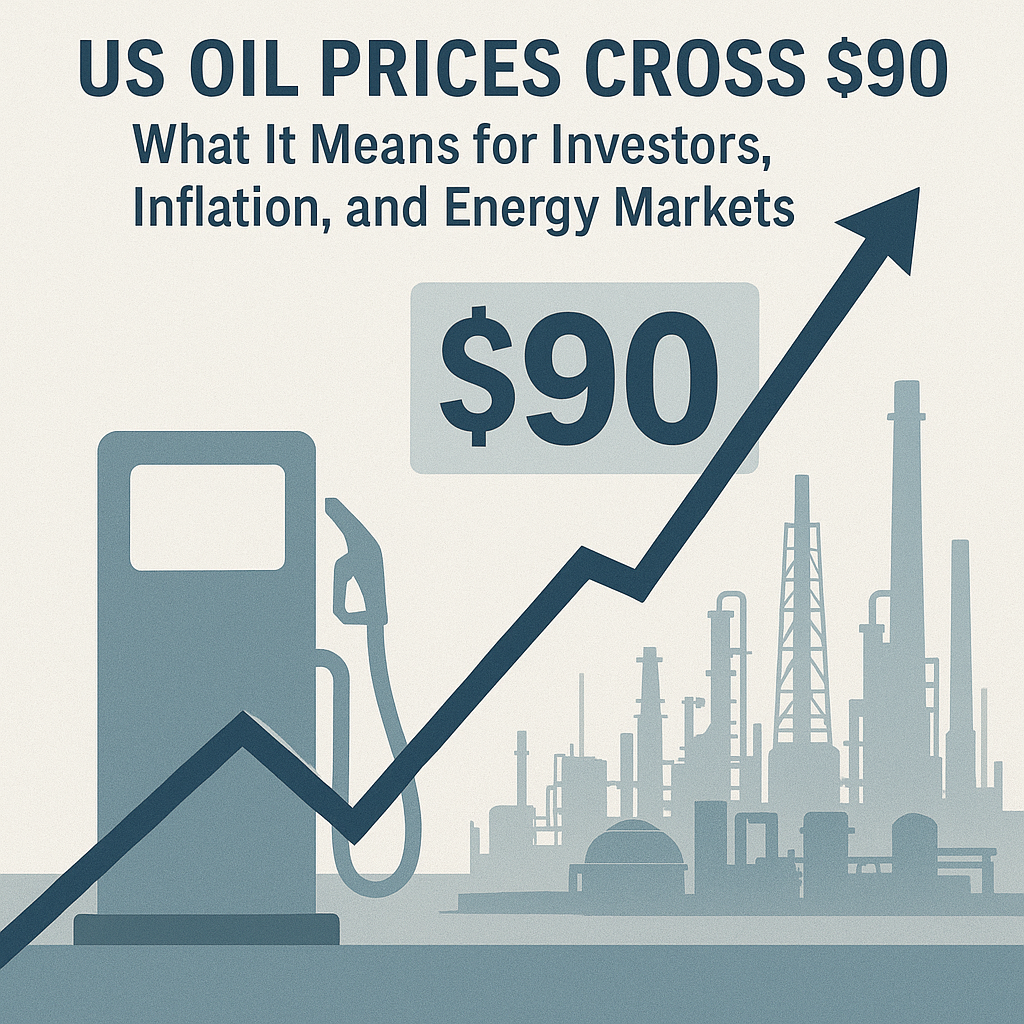
Why this matters for investors
Oil spikes matter because they change cash flows. That is the whole ballgame.
- Energy producers often gain when crude prices rise, especially firms with low lifting costs and strong balance sheets.
- Refiners can win or lose depending on crack spreads, feedstock costs, and product demand. It is messy, not simple.
- Airlines and logistics firms usually take the hit first, because fuel is a major input and customers resist fare hikes.
- Consumers feel the squeeze through gas stations, heating bills, and higher prices for goods moved by truck.
- Bonds can weaken if markets expect inflation to stay sticky, which pushes yields around and dents long-duration assets.
Everyone talks about diversification, but few understand what it really means in a shock like this. Diversification is not owning twelve stocks in the same problem. It is owning assets with different sensitivities to inflation, rates, and commodities. Gold, Treasury Inflation-Protected Securities, quality value stocks, and cash reserves all behave differently than growth shares when oil surges.
The kicker is that a higher oil price can be positive for some portfolios and brutal for others at the same time. That is why investors need to think in terms of portfolio resilience, not just return chasing. A wise allocation protects the dignity of future obligations, whether that means retirement income, payroll, or family spending.
For a broader view of energy markets, review the EIA oil market outlook and IEA oil market reports. Those sources are worth more than social media hot takes.
How to respond step by step
- Check your exposure. Start with your portfolio, because that is where the real damage or benefit shows up, and look for concentrations in airlines, transport, consumer discretionary, industrials, and high-duration growth names.
- Separate winners from losers. Energy equities, integrated majors, and select midstream names may hold up better, but do not assume every oil-related stock is a free lunch. I have seen investors pile into weak balance sheets and call it a strategy. That is not strategy. That is theater.
- Review inflation hedges. Treasury Inflation-Protected Securities, commodity funds, and cash can help, though none of them is perfect. The point is to reduce single-scenario dependence.
- Watch earnings guidance. If fuel costs rise faster than firms can pass them through, margins compress. That is where stock prices often crack before the quarterly report even lands.
- Revisit your asset allocation. If you are heavy in long-duration equities and long bonds, you may be more exposed than you think. Rebalance with discipline, not emotion. A little sobriety goes a long way.
- Keep a cash buffer. Cash is boring until markets get jumpy. Then it buys options, patience, and the ability to act without selling at the wrong time.
- Respect the news flow. A threatened route, a convoy disruption, or a ceasefire can change prices in hours. Do not confuse fast price action with lasting value.
For dividend and defensive positioning, you may also want to read how to build a defensive portfolio and energy stock investing basics. Those internal links fit the situation better than trendy nonsense.
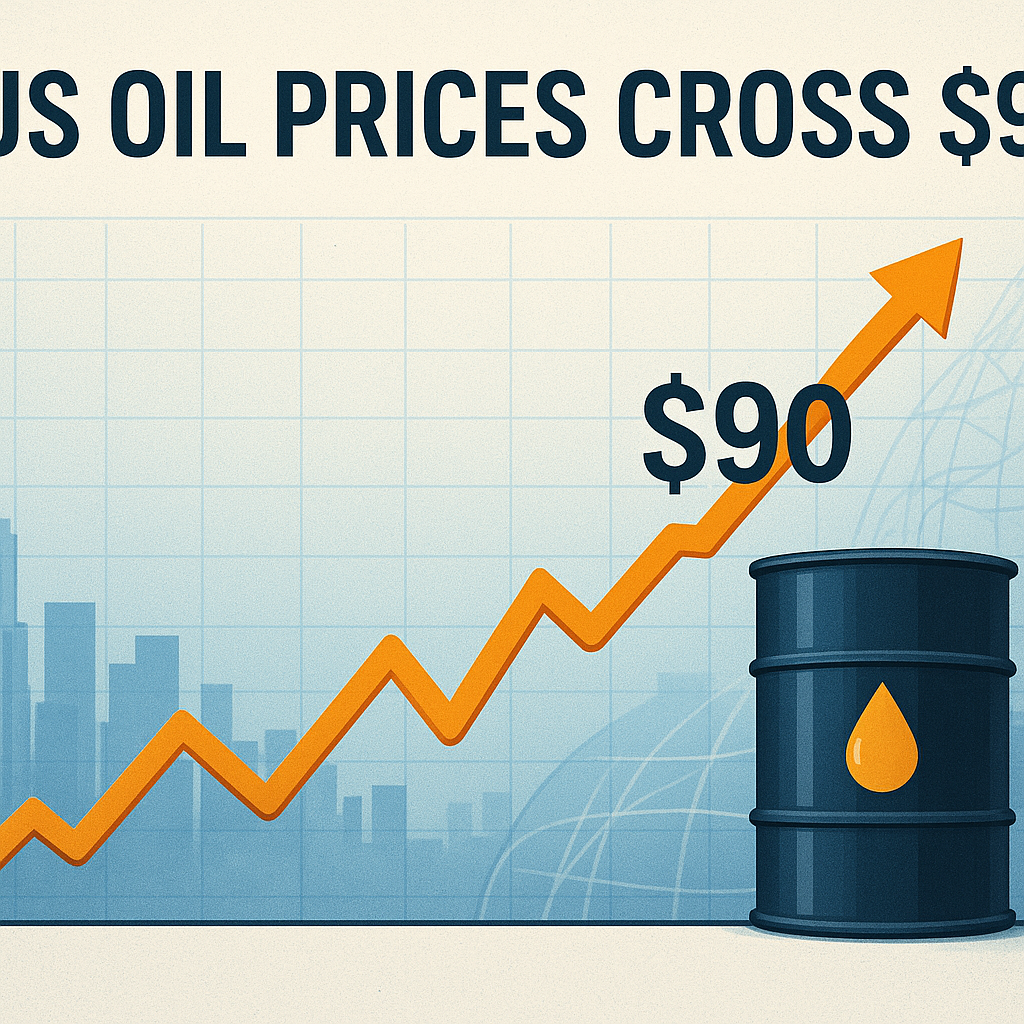
Oil vs the biggest competitor: US natural gas and broad inflation hedges
| Factor | US Oil Above $90 | US Natural Gas | Broad Inflation Hedges |
|---|
| Main driver | Geopolitical supply risk | Weather, storage, LNG demand | Inflation expectations |
| Direct benefit | Energy producers | Gas producers | Portfolio protection |
| Consumer impact | High | Moderate | Indirect |
| Inflation pass-through | Strong | Moderate | Broad |
| Earnings sensitivity | Very high | High | Low to moderate |
| Volatility | High | High | Medium |
| Best use | Tactical exposure | Sector allocation | Risk control |
Common mistakes to avoid.
One mistake is treating oil as a one-way bet. It is not. Prices can fall hard when supply fears ease or when demand weakens. Another mistake is buying the most obvious energy name after a headline spike. Sometimes the price already reflects the good news, and what you own is the disappointment.
A second error is ignoring margin pressure outside energy. Investors often focus on producers and forget that airlines, trucking firms, chemicals, and retailers can all get squeezed. The market can punish those sectors before the economic data catch up. That is why careful analysis beats rumor every time.
A third mistake is assuming inflation always surges in a straight line. It does not. Energy shocks can fade, but they can also feed into expectations, wage demands, and central bank caution. When policy makers get nervous, valuations across the board can rerate. That part stings.
A fourth mistake is overtrading. Frankly, a lot of investors confuse activity with intelligence. If the thesis is based on a headline that may reverse overnight, size the position accordingly. Small and sensible beats bold and foolish.

Frequently Asked Questions
What does $90 oil mean for inflation?
It usually raises inflation pressure through fuel, freight, and production costs. The effect may show up first in transport and consumer prices, then in broader inflation readings.
Which sectors benefit when oil rises?
Energy producers, some refiners, and select midstream companies often benefit most. Defensive sectors may also hold up better than cyclical names.
Should investors buy oil stocks now?
Only if the stocks fit your allocation and valuation rules. A headline spike is not a thesis by itself.
How can I hedge higher oil prices?
You can consider energy exposure, commodity funds, TIPS, and a stronger cash position. The right mix depends on your goals and risk tolerance.
Final thought
Higher oil prices are not just a commodity story. They are a reminder that markets are connected, and that a problem in one route can ripple into household budgets, corporate earnings, and central bank decisions. I have seen enough cycles to know the smart move is rarely dramatic. It is measured, selective, and grounded in reality.
If you invest with that mindset, you are not guessing. You are stewarding capital carefully, which is the whole point. In markets, as in life, scarce resources deserve sober judgment.