U.S. oil above $100 is not just a headline. It is a market stress signal, a supply-risk warning, and a reminder that geopolitics still beats smooth talking...
U.S. Oil Above $100: What Trump’s Strait of Hormuz Plan Means for Markets
U.S. oil above $100 is not just a headline. It is a market stress signal, a supply-risk warning, and a reminder that geopolitics still beats smooth talking every time. The Strait of Hormuz matters because a large share of the world’s crude and liquefied natural gas moves through that narrow chokepoint, so any disruption can hit prices, inflation, transport costs, and portfolio returns fast.
Key Takeaways
- Oil above $100 usually reflects supply fear, not just demand strength.
- The Strait of Hormuz remains one of the most important energy chokepoints on Earth.
- A blocked or threatened route can lift crude prices, raise inflation expectations, and pressure sectors like airlines, transportation, and consumer discretionary.
- Investors should watch energy stocks, Treasury yields, inflation-protected assets, and diversification rather than chase headlines.
- Policy proposals matter less than physical shipping realities. Tankers do not care about slogans.
What is the Oil Price Shock Around the Strait of Hormuz?
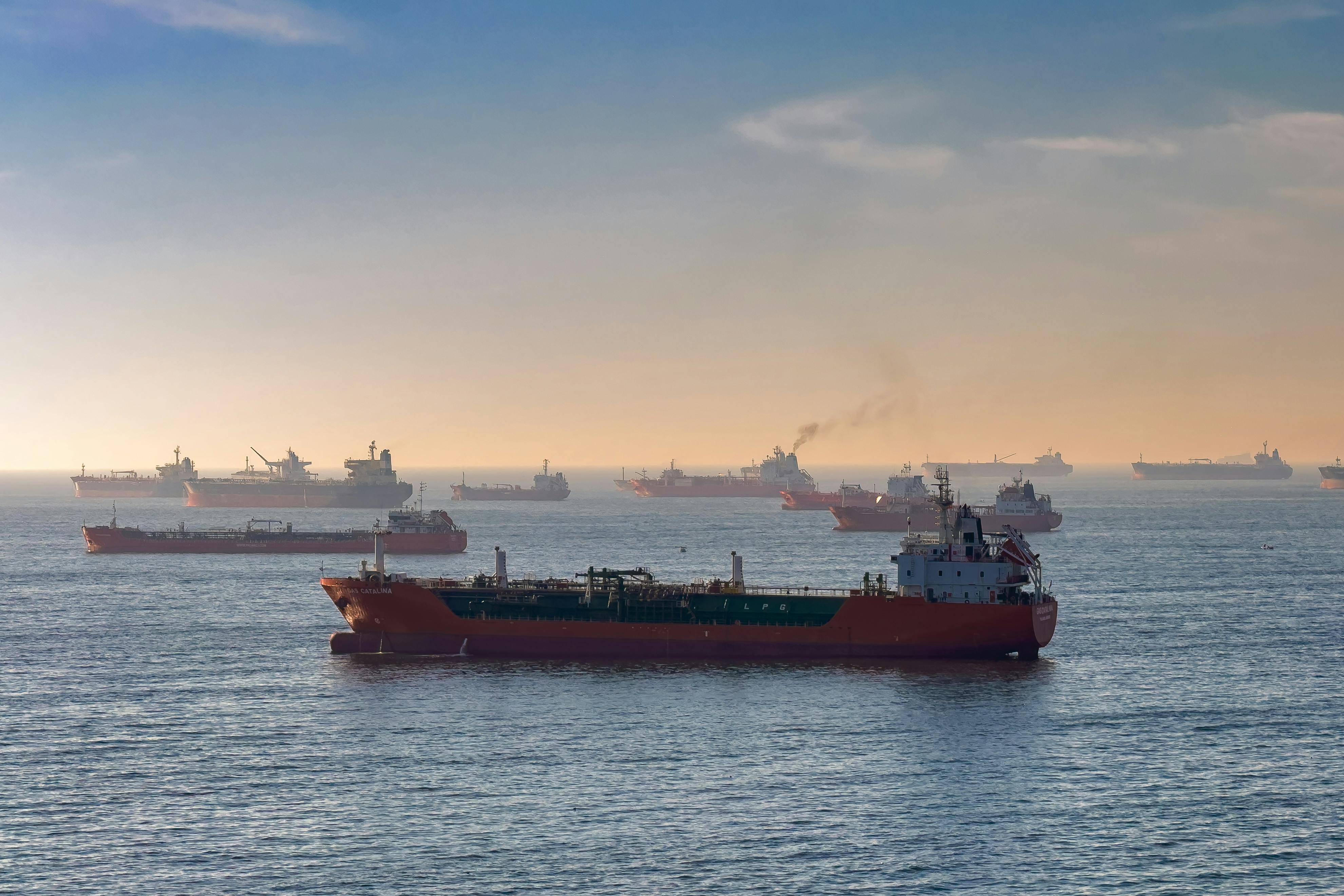
The surge in U.S. oil prices above $100 a barrel is best understood as a risk premium layered on top of an already tight market. This is not a clean story about simple demand growth. It is a mixture of supply anxiety, shipping chokepoints, inventory concerns, and traders pricing in a worse-than-expected outcome if the Strait of Hormuz becomes constrained.
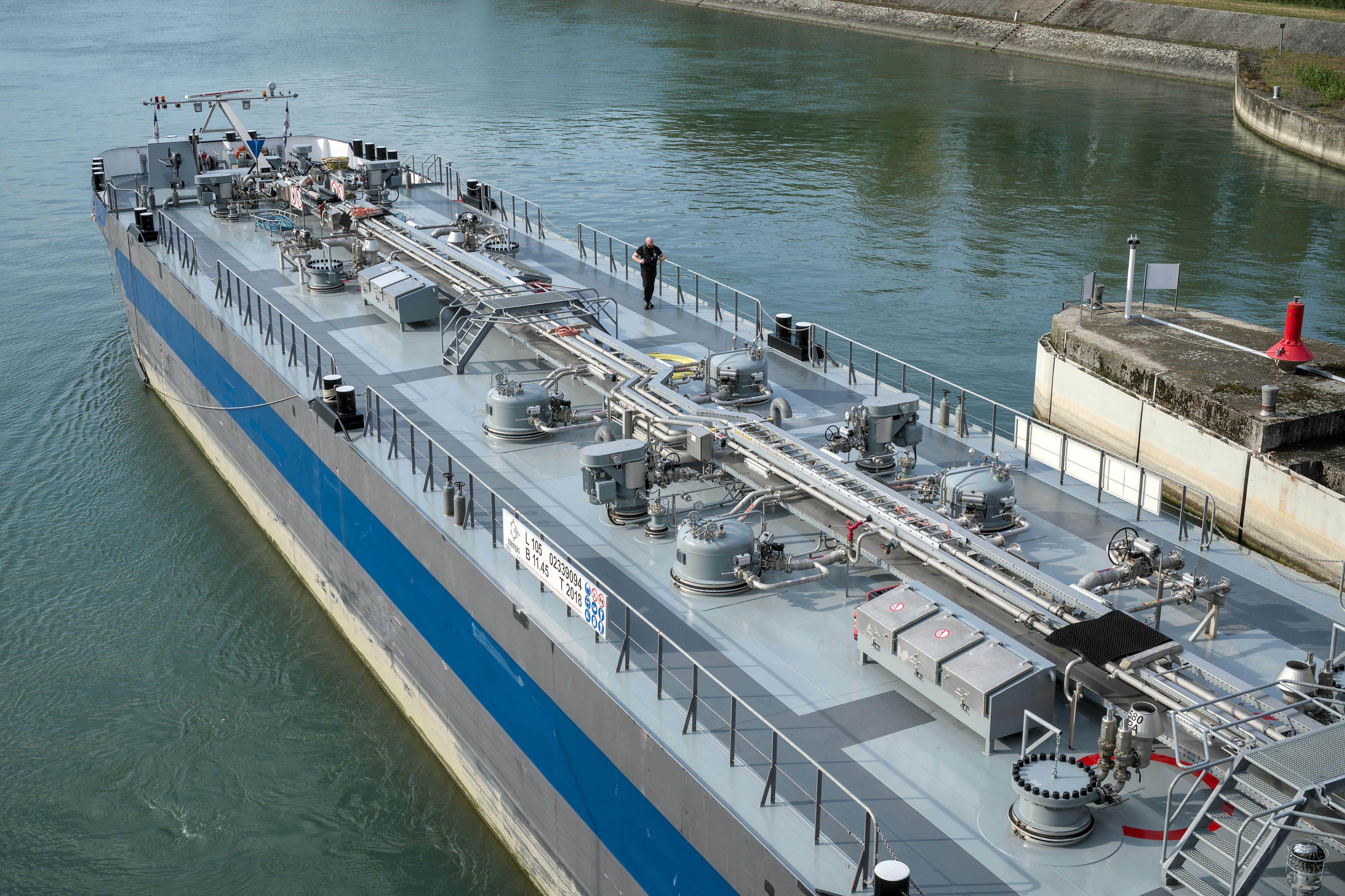
The Strait of Hormuz is the narrow passage between the Persian Gulf and the Gulf of Oman. It is a strategic corridor for crude exports from major producers in the region, and it also carries a meaningful share of global natural gas flows. The U.S. Energy Information Administration has long identified it as one of the world’s most critical oil transit points, while the International Energy Agency oil market reports regularly track how disruptions there can shake global balances. Frankly, this is not theory. This is plumbing.
When I look at oil spikes, I ask a blunt question: is the market responding to barrels lost, or to barrels that might be lost? Most of the time, the second one matters almost as much as the first. Traders hate uncertainty, and geopolitical friction creates uncertainty in bulk. That is why oil can jump even before any physical shortage appears.
Trump’s reported Strait of Hormuz plan hit a snag because shipping lanes, naval presence, diplomatic constraints, and regional retaliation all complicate any attempt to control or alter flow through the channel. Markets know that. They price the snag, not the speech. If you want the dry version, see the EIA petroleum status data and the IMF work on energy and macro shocks for how energy disruptions spill into broader economic conditions.
The bigger point is simple. Oil is a physical commodity with financial wrappers on top. You can model it, hedge it, and trade it, but you cannot ignore the tanker routes. That reality has moral weight too. Energy wealth is not an excuse for chaos; it is a stewardship problem. Resources should support productive work, stable households, and the common good, not just a feverish scramble for advantage.
Core Benefits and Why This Matters
- Higher oil prices can support energy producers. Integrated majors, shale drillers, and service companies often benefit when crude rises, though the effect depends on hedging and cost structure.
- Inflation can reheat. Energy feeds into transport, chemicals, agriculture, and consumer goods. Most people underestimate this because they only watch the gas pump.
- Treasury markets may react. Higher energy costs can push inflation expectations up, which affects bond yields and duration-sensitive assets.
- Consumers feel it first. Airlines, shipping companies, logistics firms, and households with stretched budgets absorb the pain early.
- Portfolio positioning gets tested. Diversification matters more when a single commodity shock ripples across asset classes.
Everyone talks about “benefiting from inflation,” but that line is too neat. A few energy stocks may gain, yes, but the broader economy pays through margin pressure and reduced purchasing power. I have reviewed enough portfolios to know that investors often celebrate the wrong side of the trade. They own one winning sector and forget the rest of the book is bleeding.
The market also rewards discipline. Cash flow, balance sheet strength, and pricing power matter more than flashy growth stories when crude spikes. Companies with real operating leverage and honest capital allocation can withstand the storm. Companies built on cheap financing and hopeful forecasts? Not so much.
There is also a human side to this. Households living paycheck to paycheck suffer when fuel costs rise, because transportation is not optional. That is where stewardship becomes more than a church word. It is the basic duty to allocate capital, policy, and corporate decisions in a way that respects human dignity. Cheap slogans do not heat homes or move workers to jobs.
Step-by-Step: How Investors Should Respond
- Check your exposure first.
Start with your portfolio, not the news ticker. If you own airlines, trucking firms, chemical manufacturers, or consumer names with thin margins, oil spikes can hit earnings fast. If you own energy producers, your gains may offset some of that pain, but only if those positions are sized properly.
- Separate short-term noise from persistent risk.
I do not trade every headline. Most are dust in the wind. What matters is whether the market is pricing a one-week disruption or a longer supply squeeze tied to shipping, sanctions, or war risk. Read the OPEC Monthly Oil Market Report alongside EIA data if you want a cleaner picture of supply and demand.
- Review inflation hedges.
Treasury Inflation-Protected Securities, commodity exposure, quality equities, and some real assets can help. Not all are equal. Gold gets romanticized, but cash flow matters more than mythology. Hard assets with actual productive use tend to make more sense than shiny speculation.
- Rebalance instead of guessing the top.
If oil is already high, many investors get greedy or frozen. Neither helps. Trim oversized positions, refresh asset allocation, and use position sizing rules. Diversification is not a slogan. It is a brake pedal.
- Look for quality in the energy sector.
Not every oil stock is a buy. I prefer companies with low breakeven costs, disciplined capex, manageable debt, and shareholder returns tied to free cash flow. A strong balance sheet beats swagger.
- Watch the macro chain reaction.
Oil affects CPI, which affects rate expectations, which affects valuations. That sequence matters. If crude stays above $100, growth stocks with long-duration cash flows may face more pressure than the market admits.
- Keep liquidity.
Volatility creates opportunities, but only for investors with dry powder. If all your capital is locked up, you are just a spectator with opinions.
Comparison Table
| Factor | Oil Shock Exposure | Defensive Positioning |
|---|
| Primary effect | Higher costs, margin pressure, inflation risk | Reduced downside, more stability |
| Best-fit sectors | Energy, select materials | Utilities, healthcare, staples, quality value |
| Weak spots | Airlines, transport, discretionary retail | Rate-sensitive long-duration growth if yields rise |
| Inflation impact | Usually negative for consumers, mixed for producers | Better preservation of purchasing power |
| Portfolio role | Opportunistic, tactical | Core risk management |
| Main danger | Chasing commodity spikes late | Becoming too defensive and missing upside |
This is why comparison beats guessing. You do not need a grand thesis for every barrel move. You need a framework.
Common Mistakes to Avoid.
- Assuming oil above $100 means easy profits. It rarely does. Energy equities can lag the commodity if costs, taxes, or hedging eat margins.
- Ignoring the second-order effects. Higher fuel prices can hurt everything from freight to restaurants to home improvement demand.
- Treating geopolitics as a movie plot. Real markets are messier. A plan can stall, be watered down, or trigger retaliation.
- Overweighting one sector. Concentration feels clever until it turns into regret.
- Forgetting duration risk. Higher oil can revive inflation concerns and push up yields, which damages long-duration assets.
- Following pundits who overstate certainty. Most of them speak like prophets and hedge like cowards.
Most guides say to “buy commodities” during shocks. That advice is too crude. The truth is, commodities are timing-sensitive, volatile, and often mean-reverting. If you are late, you are the exit liquidity. Better to think in terms of risk control, not heroics.
There is also a mistake on the policy side: pretending supply chains can be reconfigured instantly. They cannot. Ports, tankers, insurance, naval protection, refinery setups, and trade contracts all take time. Physical reality is stubborn. Markets learn that lesson repeatedly, then promptly forget it.
Frequently Asked Questions
Q1: Why did U.S. oil prices rise above $100 a barrel?
A1: Usually because traders priced in supply disruption, geopolitical risk, or tighter inventories. In this case, concern around the Strait of Hormuz added a risk premium.
Q2: Why does the Strait of Hormuz matter so much?
A2: It is a crucial shipping corridor for crude oil and natural gas exports from the Gulf. Any interruption can affect global supply and push prices higher.
Q3: Which investments tend to benefit from higher oil prices?
A3: Energy producers, some oilfield service firms, and select inflation hedges may benefit. The effect depends on costs, debt, and how long prices stay elevated.
Q4: How should investors protect a portfolio during oil spikes?
A4: Focus on diversification, cash reserves, quality balance sheets, and exposure to assets with pricing power. Do not chase the commodity after the move is already obvious.
Final Thought
Oil shocks expose what a portfolio is really built for. If the answer is “comfort only,” it will crack. If the answer is “real cash flow, real diversification, and a margin of safety,” then the market can throw its tantrums and you can keep your footing.
I have seen enough cycles to say this plainly: the best investors respect physical limits. They do not pretend shipping routes, refinery bottlenecks, or inflation math will bend to wishful thinking. They also understand that capital is not a toy. It should be used with restraint, skill, and a nod toward the people who bear the cost when markets get reckless.
The oil market will calm down, or it will not. That part changes. The discipline should not.