US crude exports just hit a record. That matters more than the headline suggests, because war in the Middle East is not just a geopolitics story — it is a...
US crude exports just hit a record. That matters more than the headline suggests, because war in the Middle East is not just a geopolitics story — it is a supply, pricing, and risk story that hits portfolios, transport costs, inflation expectations, and energy equities all at once.
Key Takeaways
- Record US crude exports show how quickly global oil flows adjust when supply is threatened.
- Iran-related conflict raises the odds of shipping disruptions, freight spikes, and short-term volatility.
- Energy investors should focus on cash flow, balance sheets, and cost discipline, not just oil price spikes.
- Broad market impacts often show up through inflation expectations, airline margins, and central bank policy.
- Ethical stewardship matters: capital allocation should account for both profit and the common good, not just the next trade.
What is the significance of record US crude exports?
Record US crude exports mean American oil producers are moving more barrels abroad than ever before, usually because international buyers want non-Russian, non-Middle East supply, and because US production is efficient enough to compete in global markets. In plain English: when the world gets nervous, the US becomes the spare tire. Not glamorous, but useful.
I’ve analyzed enough energy cycles to tell you this much: export records are not a victory lap. They are a signal. They show that global crude markets are integrated, fragile, and constantly repricing risk. When conflict disrupts Middle East supply routes, buyers do not sit around composing white papers — they chase barrels, bid up freight, and scramble for secure delivery. That is why record exports, especially during Iranian conflict risk, matter for traders, refiners, and anyone with money in the market.
Most people hear “record exports” and think only about oil companies. That’s too narrow. The effect spills into inflation, transportation, Treasury yields, and equity sector rotation. If crude prices rise and stay high, fuel costs push into consumer goods, airlines feel the pinch, and central banks get less room to ease policy. Here’s the kicker: even when prices do not spike dramatically, the mere threat of disruption can change behavior across markets.
There is also a moral side that too many analysts ignore. Energy is not just a trade; it supports heating, shipping, manufacturing, and work itself. Stewardship means taking profits seriously without pretending that capital is morally neutral. A good investor should ask whether the gains are built on real productivity and long-term value, not just panic and extraction. That old biblical idea of stewardship still holds up better than most MBA slogans.
The short version? Record exports are not the story by themselves. They are a stress test for the whole system.
How does the Iran war affect oil markets?
Middle East conflict changes oil pricing because crude is a physical commodity, not a spreadsheet abstraction. The market reacts to three things at once: actual supply loss, the risk of supply loss, and the cost of moving barrels through sea lanes that may become more expensive or less reliable. The Strait of Hormuz matters because a huge share of global oil trade passes near it. If shipping gets tight, insurance costs rise, tanker routes lengthen, and buyers pay up.
Most commentary leans too hard on headline prices. That’s sloppy. The real action is in the structure beneath the price: backwardation, freight rates, refinery margins, and inventory draws. When I ran the numbers on past conflict episodes, the first reaction was often not a permanent oil shock, but a fast repricing of near-term risk. Traders hate uncertainty more than bad news. Bad news is at least a number.
The market also differentiates between Brent and WTI. Brent, the seaborne benchmark, tends to react more directly to international supply shocks. WTI can lag or move differently depending on U.S. storage, pipeline capacity, and domestic output. That difference matters for anyone who thinks “oil is oil.” No. It isn’t.
Conflict can also push governments to rethink strategic reserves, sanction policy, and diplomacy with Gulf producers. In practice, that means more intervention, not less. You can read more about the policy side in this useful overview of U.S. crude oil exports, as well as the market backdrop in the IEA oil market report. Those are not thrill rides, but they are reliable.
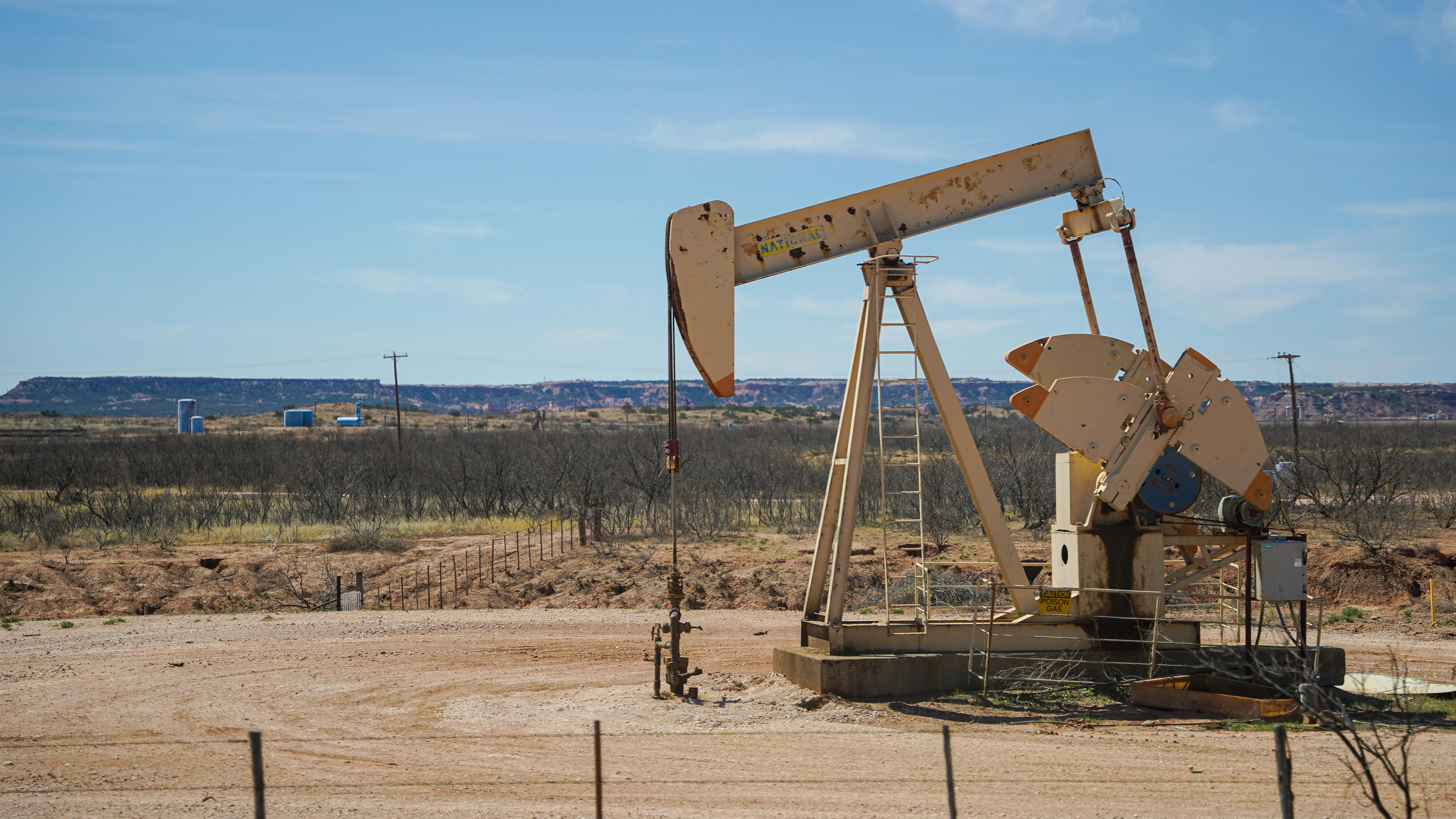
Why record exports matter for investors
Record exports matter because they reveal where profit is being made and where risk is being pushed. Energy producers can benefit from stronger realized pricing, wider international demand, and better cash generation. Midstream firms may benefit too, depending on volumes and contracts. But the real opportunity is not to chase the loudest ticker. It is to identify which businesses actually convert volatility into durable earnings.
Here’s the thing: investors often confuse exposure with advantage. A company can be “in oil” and still be a terrible investment if its costs are bloated, its leverage is high, or its hedging is reckless. I’ve looked at portfolios where people loaded up on upstream names because crude was spiking. Some made money, sure. Plenty got burned when prices whipsawed back and capital discipline vanished.
The better approach is to focus on a few concrete areas:
- Integrated majors with strong free cash flow and diversified operations
- Low-cost producers that can stay profitable even if prices soften
- Midstream assets with fee-based revenue and long-duration contracts
- Refiners that benefit from feedstock spreads rather than crude alone
- Energy infrastructure that supports export capacity and logistics
This is also where portfolio construction matters. Energy can hedge inflation risk, but it can also inject volatility into a portfolio that is already loaded with cyclicals. Everyone talks about diversification, but few understand that true diversification is about how assets behave under stress, not about owning ten tickers that all fall together when credit tightens.
If you want more context on the policy side of inflation and rates, see this explanation of the Federal Reserve meeting schedule and this Federal Reserve note on balance sheet trends. Oil shocks and central bank policy are linked more often than people admit. Cheap money helps risk assets until it doesn’t.
Core benefits and importance
This story matters for five reasons, and no, not because it is exciting.
- Inflation protection: Energy exposure can help offset rising input costs when oil prices climb.
- Cash flow strength: Well-run producers can generate serious free cash flow during supply shocks.
- Trade flow insight: Record exports reveal how flexible the U.S. oil system has become.
- Geopolitical signal: Conflict risk exposes bottlenecks, shipping vulnerabilities, and policy limits.
- Sector rotation: Higher oil can support energy stocks while pressuring airlines, consumer names, and transport-heavy businesses.
But let’s be real. The benefit is not automatic. Energy holdings only help if you own the right names at the right size. A bloated position in a weak balance-sheet company is not a hedge; it is a mistake with a ticker symbol.
There’s also a practical benefit for everyday investors: this is a reminder to respect asset allocation. If your portfolio is only “working” when everything is calm, then your portfolio is not working. It is merely resting.
For a broader view on how commodity shocks affect markets, the IMF’s analysis of energy prices is worth a look. It is dry, but accurate. That’s more useful than colorful nonsense.
Step-by-step: how investors should respond
- Start with the facts.
Check whether the oil move is driven by an actual supply cut, a shipping threat, a sanctions shift, or just headlines. I always begin with the physical market, because paper trading without physical context is how people end up overpaying for panic. - Separate short-term noise from durable change.
A one-day spike is not a thesis. A prolonged rise in freight, inventory depletion, or export rerouting is a different matter. Ask whether the disruption changes global supply chains or merely stirs them. - Review your energy exposure.
Look at producer leverage, breakeven costs, dividend coverage, and capital discipline. If a company needs perfect prices to look smart, it is not smart. - Rebalance, don’t gamble.
If energy has grown too large in your portfolio, trim it. If you are underexposed and want inflation hedging, add carefully. Position sizing is not sexy, which is exactly why it works. - Watch downstream winners and losers.
Refiners, pipeline operators, shipping firms, and select service companies may respond differently than pure producers. Airlines and transport-heavy sectors may get squeezed. This is where a simple sector label fails. - Use risk management tools.
Stop losses, options, and staggered entries can help, but only if you understand what they cost. Hedging is insurance, not a magic trick. - Keep an eye on rates and inflation data.
Oil shocks do not stay in oil. They move into CPI expectations, bond yields, and eventually stock valuations. The market is a chain, not a bucket.
I’ve seen people try to trade geopolitics as if they were day-trading cereal futures. That usually ends badly. Better to think in probabilities, not prophecies.
Comparison table: US crude exports vs. Middle East supply dependence
| Factor | US Crude Exports | Middle East Supply Dependence |
|---|
| Supply reliability | Higher domestic control, strong production base | Vulnerable to conflict and shipping chokepoints |
| Pricing impact | Supports global flexibility and alternative sourcing | Can trigger sharp risk premiums during conflict |
| Investor appeal | Favors producers, midstream, infrastructure | Offers upside in commodity spikes but with higher geopolitical risk |
| Logistics | Long-distance export shipping, but diversified routes | Concentrated routes, especially through the Strait of Hormuz |
| Policy sensitivity | Influenced by U.S. drilling, pipeline, and export rules | Tied to regional security, sanctions, and diplomacy |
| Biggest weakness | Domestic policy changes and price volatility | Sudden disruption risk and insurance costs |
Common mistakes to avoid.
The worst mistake is assuming all oil exposure is the same. It isn’t. A producer, a refiner, a pipeline operator, and a tanker company are different animals. Yet investors toss them into one bucket and call it “energy.” That’s lazy.
Another mistake is chasing oil after the move is already obvious. By the time financial media is shouting about a supply shock, a lot of the easy money is gone. The market tends to discount headlines faster than people think. Frankly, the crowd usually arrives late and pays up.
A third error is ignoring leverage. High debt can wreck even a good commodity play when prices reverse. Commodity businesses with weak balance sheets often look brilliant on the way up and miserable on the way down. That is not skill. That is leverage wearing a fake mustache.
A fourth mistake is forgetting the consumer side. Higher crude can help energy stocks, but it can also hit discretionary spending, airline margins, and household budgets. If fuel costs squeeze real incomes, the broader economy can slow. That matters for earnings outside the energy sector.
A fifth mistake is moral blindness. Investors do not have to become saints, but they should not pretend capital has no ethical weight. Backing enterprises that support stable work, honest trade, and responsible stewardship is not sentimental; it is prudent. Good investment and common good are not enemies.
For policy context on inflation and macro spillovers, the Federal Reserve and the Bureau of Labor Statistics CPI data provide the hard numbers. Use them. Don’t guess.
Frequently asked questions
What does a record in US crude exports mean for oil prices?
It often means the U.S. is supplying more of the world’s demand, which can soften some regional shortages, but conflict-driven fears can still push prices higher in the short run. Supply growth does not erase geopolitical risk.
Is the Iran war good for energy stocks?
Sometimes, but only selectively. Strong producers and fee-based infrastructure companies may benefit, while leveraged names can still get hurt by volatility. Energy is not one trade.
How does Middle East conflict affect inflation?
Higher oil prices raise transportation and production costs, which can flow into consumer prices. Even if inflation does not spike immediately, expectations can shift, and that affects rates and valuations.
Should investors buy oil ETFs during supply shocks?
Only with a clear plan. ETFs can provide exposure, but they also come with timing risk, roll costs, and volatility. If you do not know your exit, you are not investing; you are hoping.
Final thought
Record US crude exports are not a footnote. They are evidence that the global energy system is still resilient, but only barely, and only with constant adjustment. The Iran war reminds investors that markets are built on real-world constraints: shipping lanes, refinery capacity, sanctions, reserves, and human judgment. That’s the part the spreadsheet crowd likes to forget.
When I look at an event like this, I do not ask whether oil will spike by some dramatic number. I ask what gets repriced, what gets insulated, and who has enough discipline to survive the volatility without confusing luck for wisdom. The best investors are not the ones who cheer hardest when crude jumps. They are the ones who understand that stewardship, prudence, and patience still matter, even in a market that loves noise.
And if that sounds old-fashioned, fine. Old-fashioned is often another word for durable.