American refiners are in a strong spot when cheap North American crude meets high fuel prices and volatile policy headlines, because their margins can widen...
Trump Posts, Oil Trading, and Why American Refiners May Be Sitting Pretty
American refiners are in a strong spot when cheap North American crude meets high fuel prices and volatile policy headlines, because their margins can widen fast. The rough idea is simple: buy feedstock cheaply, process it efficiently, and sell gasoline, diesel, and jet fuel into a market that still needs them. What could go wrong? Plenty, if traders mistake headlines for fundamentals.
Key Takeaways:- Refining margins can improve when crude input costs stay low and fuel prices stay high.
- North American crude access gives U.S. refiners a supply advantage, especially when logistics are stable.
- Policy headlines and social media posts can move oil trading fast, but they do not replace inventory data, OPEC actions, or refinery utilization rates.
- Risk management matters because crack spreads, freight costs, and geopolitical shocks can flip the picture quickly.
- Ethical stewardship still applies: energy profits matter, but so do workers, consumers, and the broader common good.
What is the refinery trade advantage?
The refinery trade advantage is the profit cushion that appears when refiners buy crude oil at a lower cost than the finished fuels they sell. It is usually measured through crack spreads, which compare the value of refined products such as gasoline and diesel with the price of crude input. If the spread widens, refiners can make more money. If it narrows, profits shrink. Simple enough. Or at least, that is the glossy version.
The trick is that not all crude is equal, and not all refineries are built alike. U.S. refiners often benefit from access to cheap North American crude oil, especially grades from the Permian Basin, Canada, and other domestic supply centers. Those barrels tend to move through established pipelines and rail routes, which reduces dependency on distant seaborne cargoes. When I run the numbers on refinery margins, the important thing is not just the headline price of Brent or WTI, but the spread between local crude grades and the fuel barrel. That is where the money lives.
Most people talk as if refining is a passive business. It is not. It is an industrial sorting machine with a lot of pressure, heat, and timing risk. Refineries must process the right feedstock, maintain utilization rates, manage outages, and sell into markets that swing with seasonal demand. When fuel prices rise faster than crude, the margin window opens. Here’s the kicker: traders often pile into oil narratives based on politics, but the better signal still comes from inventory levels, refinery runs, and product demand. For a broader look at how oil markets are shaped by policy and supply, see the U.S. Energy Information Administration's Weekly Petroleum Status Report, which remains one of the cleanest public data feeds out there.
The recent chatter about Trump’s social media posts affecting oil trading fits this pattern. Markets hate uncertainty, and traders will react to any signal that hints at sanctions, tariffs, drilling policy, or diplomatic friction. But frankly, a social post is not a production report. It can change sentiment for a day or two, maybe longer if leveraged funds pile in, but actual barrels still matter. Refiners care about physical supply, not political theater.
There is also a moral angle that too many analysts ignore. Energy markets affect families, freight costs, airlines, and factories. A profitable refiner is not automatically a good thing, and a cheap gallon at the pump is not a moral disaster. Stewardship means asking whether capital is being used productively, workers are treated justly, and consumers are not being gouged when supply tightens. That may sound old-fashioned. Fine. Old-fashioned is often just another word for sane.
Why do cheap crude and high fuel prices matter?
They matter because the spread between input and output drives earnings. That is the whole game. If refiners can buy crude cheaply and sell gasoline or diesel at elevated prices, cash flow improves fast, and equity markets usually notice before the earnings reports even land.
Core benefits of this setup
- Wider crack spreads: When crude input costs stay low while fuel prices remain high, gross refining margins expand.
- Better cash generation: Higher margins can boost free cash flow, which helps with dividends, buybacks, debt reduction, and maintenance capex.
- Stronger domestic advantage: American refiners with access to North American crude often avoid some of the freight and geopolitics that hit import-dependent regions.
- Inventory gains: If refiners hold crude or product inventories during a price rise, they can book valuation gains. That is not magic. It is accounting.
- Export optionality: U.S. refiners can sell diesel, gasoline blendstock, and jet fuel into overseas markets when international pricing is favorable.
- Operational leverage: Once a refinery is running near capacity, incremental margin improvements can fall straight to the bottom line.
But let’s be real: not every cheap crude story is bullish forever. If crude becomes too cheap because demand is collapsing, that is usually a warning, not a gift. The market likes to pretend low feedstock prices are pure upside. They are not. If the global economy is slowing, gasoline demand may soften, jet fuel consumption may sag, and refiners can be left with narrow or even negative margins. I’ve seen this mistake repeated so many times that it borders on ritual.
The bigger point is that fuel prices reflect more than crude costs. They also reflect refinery outages, seasonal travel demand, shipping bottlenecks, environmental rules, and export flows. That is why investors who focus only on the price of oil miss the profit mechanism. A refinery is a transformation business, not a simple commodity bet.
For investors trying to size up the sector, it helps to watch official reports on products and stocks. The EIA petroleum supply data shows how gasoline and distillate inventories move, while the EIA petroleum production data helps explain crude supply trends. Those reports are dull in the way good accounting is dull. That is a compliment.
One more thing. There is a difference between profiting from energy volatility and worshipping it. A Catholic view of economics would say capital should serve people, not the reverse. That means acknowledging that energy companies can create real value—transport, heating, manufacturing, logistics—while also remembering that price spikes hit the poorest hardest. Good analysis does not flinch from that tension.
How should investors approach refinery stocks and oil trading?
With discipline. Not vibes. Not memes. Discipline.
If you want to analyze refinery stocks or oil trading opportunities, you need a process that blends fundamentals, macro data, and risk control. I’ve analyzed enough market cycles to know that people usually buy energy shares for the wrong reason. They chase yesterday’s headlines, then act surprised when margins mean-revert. That is not investing. That is expensive guessing.
- Start with the crack spread. Look at the gap between crude benchmarks and refined products. For U.S. refiners, the 3-2-1 crack spread is a common proxy. It gives a rough sense of whether refining is profitable at current prices. If the spread is widening, the sector may have tailwinds. If it is compressing, caution is warranted.
- Check refinery utilization rates. High utilization often signals strong throughput and efficient plant operations. But if utilization is too high and outages start stacking up, supply can tighten and product prices can rise. That helps margins in the short term, yet it can also create operational stress. Systems are funny that way.
- Watch inventory data. Crude inventories, gasoline stocks, and distillate stocks tell a cleaner story than pundit chatter. Rising inventories can pressure prices. Falling inventories can support them. The key is to compare the trend with seasonal norms, not just one weekly print.
- Study crude slate access. Refineries configured for domestic light sweet crude may enjoy lower costs if that feedstock trades at a discount. Complex refineries can process heavier grades and sometimes capture better margins from discounted heavy crude. The plant matters. The plumbing matters.
- Check balance sheets. The best refinery is still a cyclical business. Debt load, liquidity, and capital return policy affect downside protection. When I compare names, I want enough cash to survive a margin slump without begging the market for mercy.
- Separate trading from investing. Oil trading can react to headlines from the White House, OPEC meetings, shipping disruptions, or sanctions noise. A long-term investor should care more about capacity, cost structure, capital discipline, and payout policy. The two mindsets are cousins, not twins.
- Use position sizing. Refiners and oil-linked names can move hard. Don’t treat them like utilities. Limit exposure, diversify across sectors, and avoid betting the farm on one thesis. Even a good thesis can be ambushed by macro shocks.
- Respect the human side. Energy prices affect labor, transportation, and household budgets. A sensible investor should prefer businesses that operate honestly and allocate capital responsibly. That sounds quaint until you remember that markets are built on trust.
Most guides will tell you to “buy the dip” in energy when crude is cheap. That advice is lazy. Sometimes the right move is to wait for confirmation from product demand and margin data. Sometimes the right move is to own refiners but hedge crude exposure. Sometimes the right move is to do nothing, which remains the most underrated skill in finance.
If you want a second perspective on oil market structure, the International Energy Agency’s Oil Market Report is worth reading. It is not exciting, but neither is a disciplined portfolio, and that is usually how the money is made.
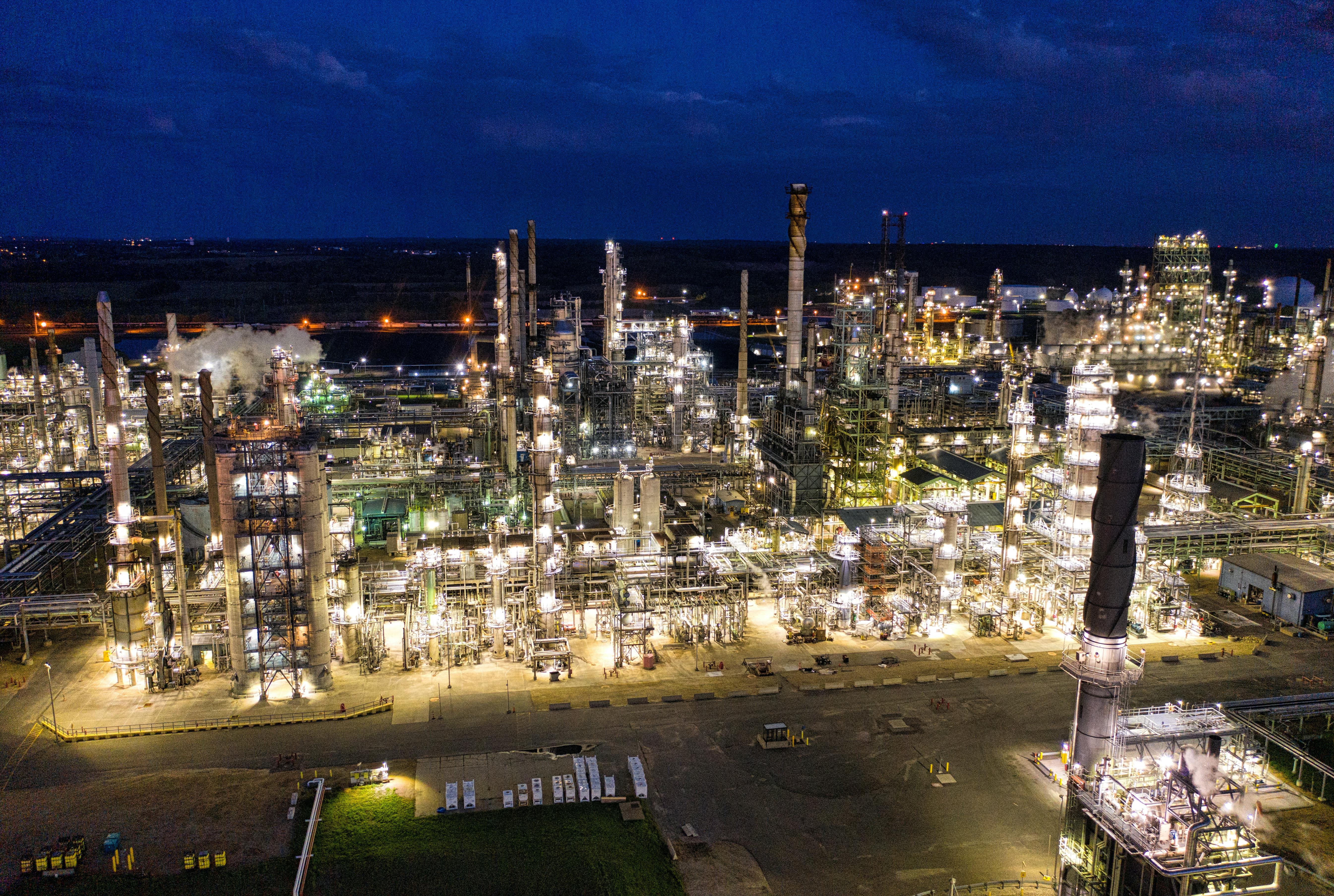
Refiners versus integrated oil majors
Refiners and integrated oil majors are not the same animal. The distinction matters, because investors often lump them together and then wonder why returns diverge. They shouldn’t.
| Feature | U.S. Refiners | Integrated Oil Majors |
|---|
| Main earnings driver | Crack spreads and product demand | Upstream crude production, refining, chemicals, trading |
| Exposure to crude prices | Often lower or mixed | Usually higher overall, though diversified |
| Benefit from cheap crude | Strong | Mixed, because upstream can suffer |
| Sensitivity to fuel prices | High | Moderate to high |
| Capital intensity | Very high | Very high, but spread across segments |
| Margin stability | Cyclical, sometimes sharp | More diversified, often steadier |
| Best use case | Margin expansion cycles | Broader energy exposure |
| Key risk | Outages, margin compression, regulation | Commodity price swings, project risk |
The biggest competitor to a refinery investment is usually not another refinery. It is the integrated major. Why? Because many investors want energy exposure without taking on pure-margin risk. Integrated names like Exxon Mobil or Chevron can soften the blow when crude prices fall, because upstream production may offset downstream weakness. Refiners, by contrast, can do very well when crude input costs are low and product prices are high—but they can also get crushed when the spread closes.
That difference changes how you build a portfolio. If you want a cyclical, high-beta bet on fuel demand and domestic supply advantages, refiners may fit. If you want broader energy exposure and a little less drama, integrated majors may be better. That said, “less drama” is a relative phrase in energy markets. Nobody buys oil stocks for peace and quiet.
Here’s the kicker: refinery stocks can sometimes outperform even when crude itself is flat or down, provided product demand stays healthy and input costs fall faster than selling prices. That is why price-watchers who focus only on Brent or WTI miss half the story. If you need a reminder of how downstream margins work in practice, the SEC filings database is useful for checking how firms disclose segment results, crack spread sensitivity, and capital return policy.
What mistakes do investors make with oil and refinery plays?
The usual ones. They confuse headlines with data, and then they pay for the confusion.
- Chasing social media noise: A post from a political figure can move futures briefly, but it rarely changes supply and demand by itself.
- Ignoring refinery outages: Maintenance cycles, fire incidents, and unplanned shutdowns can swing product prices in a hurry.
- Overweighting crude prices alone: Refining profits depend on spreads, not just the direction of oil.
- Buying after a huge run without checking valuation: A good sector can become a bad stock if the price already discounts too much optimism.
- Forgetting demand seasonality: Gasoline demand peaks and fades with travel patterns; diesel and jet fuel have their own rhythm.
- Underestimating policy risk: Environmental rules, export limits, sanctions, and tax changes can hit margins or sentiment.
- Ignoring leverage: Debt can magnify gains in a good cycle and pain in a bad one.
- Treating all refiners as identical: Geography, complexity, feedstock access, and logistics make a real difference.
Most market commentary sells certainty where none exists. That is the problem. Energy is full of moving parts: geopolitics, weather, shipping lanes, pipeline constraints, refinery yield, and consumer behavior. A small change in one piece can echo through the whole chain. So when somebody says, “Oil is up, therefore refiners are up,” I usually wince. That is kindergarten logic wearing a tie.
Another mistake is moral laziness. Investors sometimes treat energy as a purely mechanical trade, as if the social effects do not matter. They do. Fuel costs shape commutes, food transport, and manufacturing costs. A prudent investor can seek returns without pretending the wider world is irrelevant. That balance is closer to stewardship than speculation, and the difference matters.
If you want to check whether a rally has real footing, compare product inventory trends with refinery utilization and demand data. The EIA Total Energy data browser can help you separate temporary spikes from structural shifts. It is not glamorous, but neither is losing money on a bad thesis.
Frequently Asked Questions
Why do Trump’s social media posts affect oil trading?
Because markets are reflexive and sometimes thinly led. A sharp post can imply policy shifts on sanctions, drilling, tariffs, or diplomacy, and traders price that in fast. Still, the bigger drivers are supply, inventories, and demand. Posts move sentiment. Barrels move prices.
Are American refiners always helped by cheap crude oil?
No. Cheap crude helps only when fuel prices and demand stay firm. If cheap crude is a symptom of weak global demand, refinery margins can shrink. The margin spread matters more than crude alone.
What is a crack spread?
It is a rough measure of refining profit, comparing the value of refined products like gasoline and diesel to the crude used to make them. It is one of the best quick checks for refinery economics.
Should investors buy refinery stocks when fuel prices rise?
Sometimes, but not blindly. You need to check valuation, debt, utilization, inventory trends, and whether margins are already priced in. A stock can be expensive even when the business is doing well.
Final thought
Oil markets reward humility. That is the part most people hate.
Refiners can look brilliant when they buy cheap North American crude and sell into a market with strong fuel prices, but the edge is real only when you respect the cycle, the data, and the limits of human forecasting. I’ve watched too many investors confuse a good quarter with a permanent law of nature. That is how capital gets careless.
The better approach is simple, though not easy: study crack spreads, watch inventory reports, compare refinery utilization, and keep an eye on policy noise without worshipping it. If social media stirs the market for a day, fine. If the physical market says something else, believe the physical market. Always.
There is also a deeper lesson here, and it is not just about energy. Stewardship means using capital with discipline, respecting the people whose work keeps the system running, and remembering that profit is a tool, not a moral alibi. Markets are useful because they reveal scarcity and reward competence. They are not a substitute for prudence.
The truth is, American refiners may indeed be in pole position when cheap crude and high fuel prices line up. But pole position is not the finish line. It is just a better place to start.