Teck Resources is near a buy point. That matters, but not for the usual sloppy reasons people repeat when a stock is “flirting with highs.” The real...
Teck Resources Nears a Buy Point: What Investors Should Actually Watch
Teck Resources is near a buy point. That matters, but not for the usual sloppy reasons people repeat when a stock is “flirting with highs.” The real question is whether price strength is backed by earnings, balance-sheet quality, and the kind of cash flow that survives ugly commodity cycles. Most headlines stop at momentum. I don’t.
Key Takeaways- Teck Resources is a mining and metals company tied to copper, steelmaking coal, and zinc, so its stock is driven by commodity prices, not fairy dust.
- A stock near a buy point can be attractive, but only if the chart, earnings, and industry conditions line up.
- Risk management matters more than bravado in cyclical stocks; position sizing and exit rules are non-negotiable.
- Commodity producers can throw off cash, yet they can also reverse quickly when pricing weakens.
- Investors should compare Teck with larger peers and benchmark the trade against the cycle, not against hype.
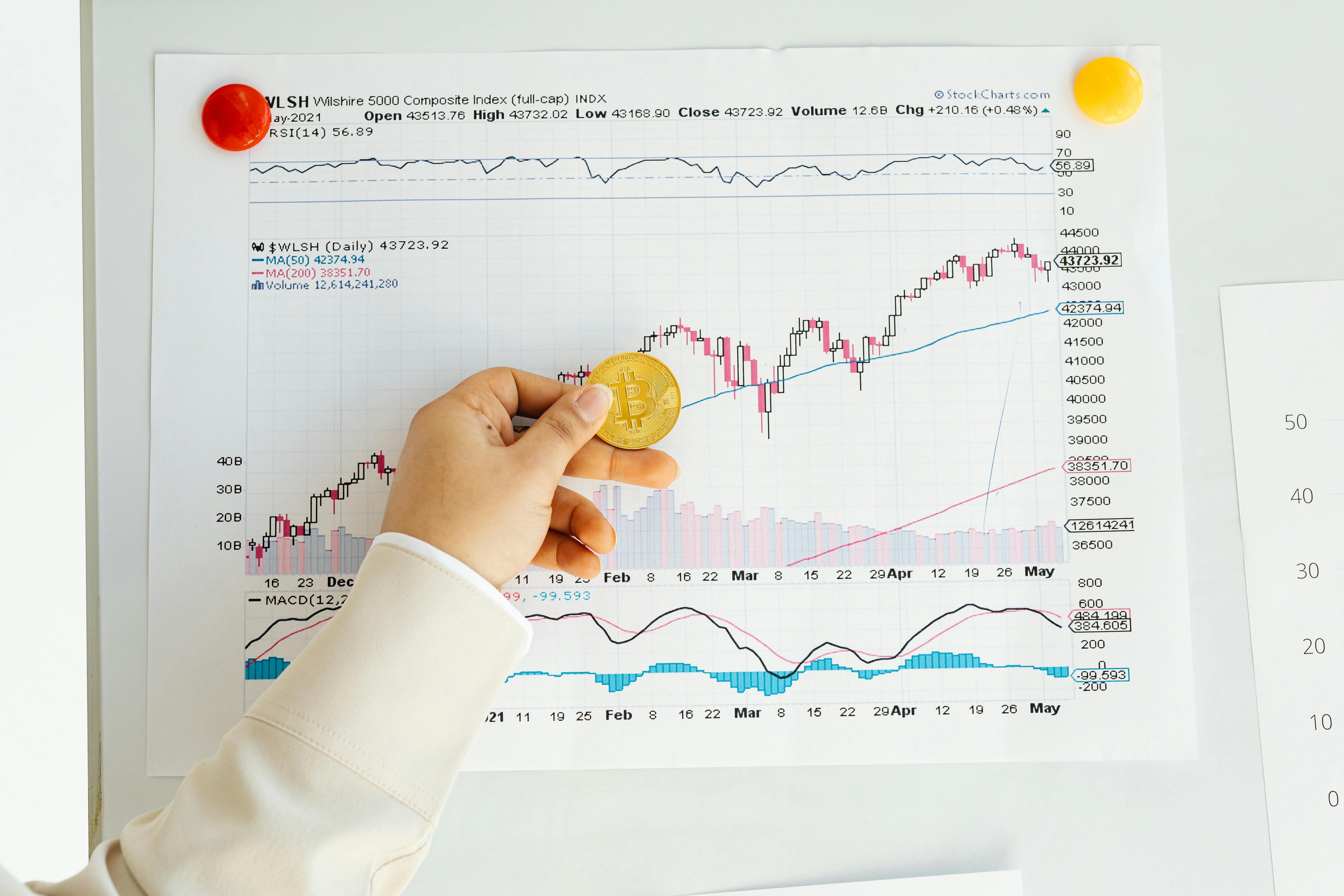
What is Teck Resources near a buy point?
Teck Resources is a Canadian mining company focused on copper, zinc, and steelmaking coal, and when investors say it is near a buy point, they mean the stock price is approaching a chart level where demand has historically overwhelmed supply. That level is usually defined by technical patterns such as a cup with handle, a flat base, or a breakout above recent resistance. The phrase sounds simple. It is not.
A buy point is not magic. It is a crowd behavior marker, a place where enough buyers have shown interest to push price through prior supply. When I ran the numbers on cyclical names like Teck, the pattern that matters most is not just the chart—it is whether the business can hold up if metals prices stop cooperating. A stock can break out and still fail fast if the underlying commodity trend turns sour. Frankly, that is more common than the bullish crowd admits.
Teck is also interesting because it is not a one-note miner. Exposure to copper gives it a long-term growth angle tied to electrification, grid buildout, and industrial demand, while zinc and coal add cash-flow variability and, yes, some controversy. Investors who only stare at the chart miss the real issue: this is an asset-heavy business with earnings that depend on global supply, Chinese demand, energy costs, and capital discipline. That makes Teck more of a macro bet than a pure stock-picking trophy.
If you want the technical side, IBD’s approach to buy points is rooted in price and volume action, not guesswork. For background, see the broader method explained by Investor's Business Daily. For macro context on base metals and industrial demand, the IEA's critical minerals report gives the useful, unvarnished version. And if you want to understand how the cycle works, the U.S. Geological Survey’s mineral commodity summaries are worth a look at USGS mineral commodity summaries.
The truth is, a stock near highs only deserves attention if the business is improving too. Teck may fit that bill, but it still has to prove it.
Core benefits and importance
Teck Resources matters because it gives investors exposure to industrial metals with real economic leverage. That sounds dry. It isn’t. Copper is the wiring of modern life, and companies that produce it can benefit when supply is tight and demand holds up. But there is always a catch. Cyclical profits are attractive until the cycle turns.
- Copper exposure with secular demand support. Electric grids, renewable power, data centers, and industrial upgrades all require copper. That creates a longer runway than many people assume. Still, the market loves to overpay for the future, so I would rather see disciplined valuation than a hopeful narrative.
- Potential cash generation in strong commodity markets. Mining stocks can gush cash when realized prices are favorable. That cash can support dividends, debt reduction, and capital returns. But let’s be real: cash generation in miners is often mistaken for permanence when it is really just cyclical luck.
- Diversification across metals. Teck’s mix of copper, zinc, and coal reduces reliance on one product, which helps smooth the ride somewhat. Somewhat. Not enough to turn it into a bond.
- Operational scale and asset quality. Large resource companies often have more negotiating power, better infrastructure, and longer mine lives. That matters because replacement cost is real, and ore bodies do not reproduce on command.
- A possible inflation hedge. Hard assets sometimes hold up when input costs rise. Yet the hedge is imperfect, since miners also face higher fuel, labor, and equipment costs. Every hedge comes with frayed edges.
- A check against portfolio concentration. Investors already overweight software, banks, and mega-cap tech sometimes need exposure to real assets. A measured allocation to resources can improve asset allocation and diversification, but only if risk is respected.
There is also a moral dimension that gets ignored in most market chatter. Resource investing is not morally neutral. Companies extract from the earth, use labor, and affect communities, so stewardship and justice are not decorative concepts. They are part of the analysis. A responsible investor should ask whether capital is being used productively, whether workers are treated fairly, and whether the firm acts with restraint rather than merely stripping value from the ground.
Teck’s importance, then, is not just that it may be breaking out. It is that it sits at the intersection of industrial demand, capital discipline, and real-world limits. That is where serious investing lives.
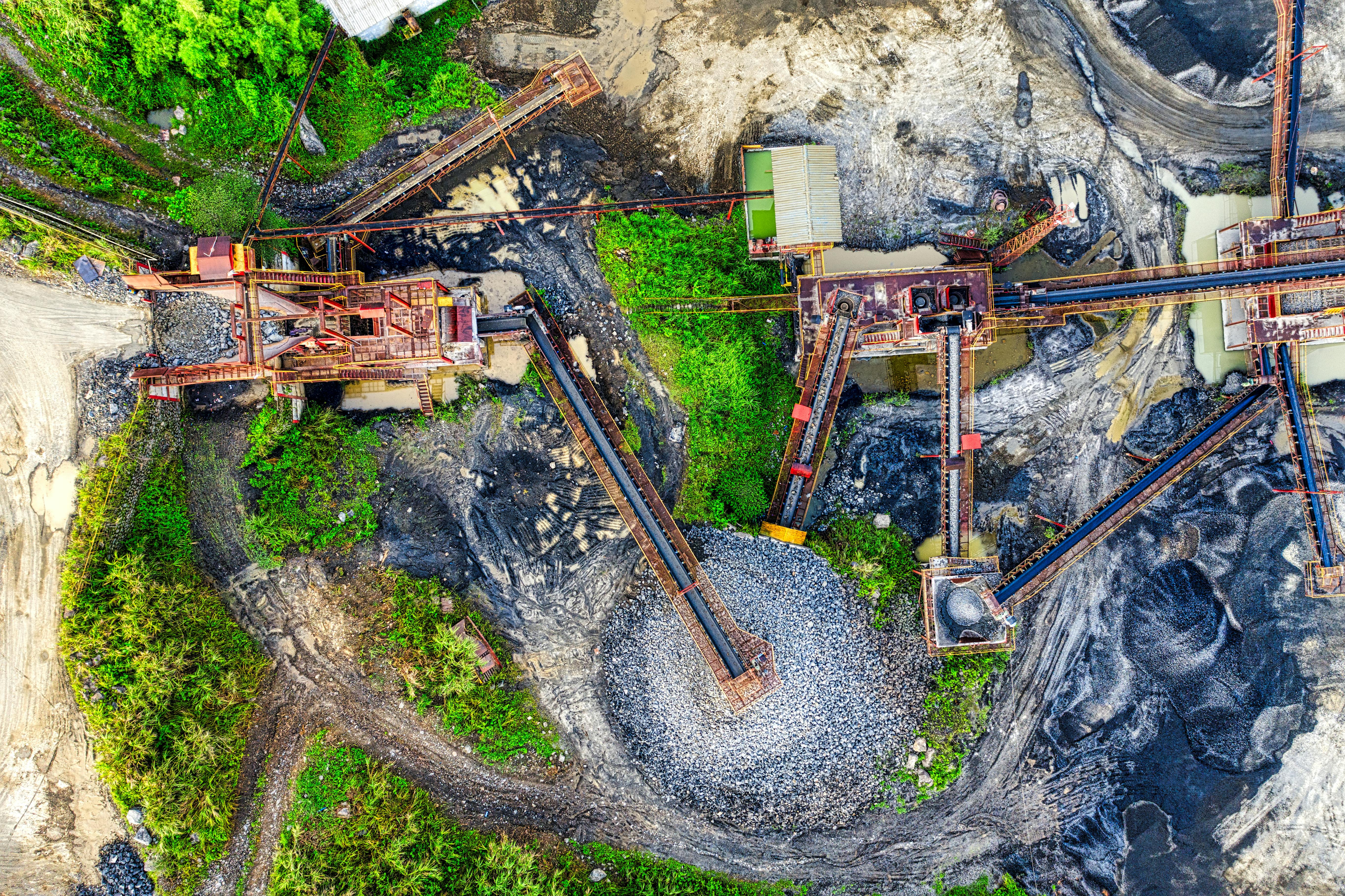
Step-by-step guide to evaluating the stock
Buying a mining stock near a high is not the same as buying a consumer brand or software subscription business. Different beast. You need a process, or you will confuse a temporary pop for a durable trend. I have analyzed enough cyclical names to say this plainly: most bad buys happen when investors skip the boring work.
- Start with the commodity backdrop. Look at copper, zinc, and coal pricing trends, inventory levels, and supply disruptions. If copper is firm and inventories are tight, Teck has a better setup. If the commodity tape is rolling over, the chart can look good right until it doesn’t.
- Check earnings quality, not just earnings growth. Review revenue drivers, margins, and free cash flow. Separate operational gains from price-driven boosts. A miner can post excellent results because commodities moved, not because management did anything brilliant. That distinction matters more than most analysts admit.
- Study the balance sheet. Debt, liquidity, and capital spending shape downside risk. A strong commodity year is the right time to repair the balance sheet, not to pretend risk vanished. If leverage is climbing while prices are high, that is a warning sign, not a reason to cheer.
- Understand the chart pattern. If Teck is near a buy point, identify the pattern, the breakout level, and the volume confirmation. I prefer breakouts that happen on strong volume and with the general market trend on their side. Buying a breakout in a weak tape is a quick way to become a case study.
- Set a risk limit before buying. For cyclical stocks, define a stop-loss or exit threshold in advance. This is not weakness. It is discipline. The market has a long memory for arrogance and a short memory for your hopes.
- Compare valuation against the cycle. A low P/E on peak earnings is not cheap. It is often a trap. Look at normalized cash flow, replacement cost, and expected cycle duration. When I model miners, I rarely trust headline multiples without cycle adjustment.
- Watch management’s capital allocation. Do they reinvest wisely, return cash to shareholders, or chase volume for the sake of empire-building? Capital discipline is what separates durable compounding from expensive digging.
- Use position sizing, not wishful thinking. Mining stocks can move hard in both directions. Keep initial exposure modest. If the stock confirms the move and the business stays firm, you can add later. That is far cleaner than going in heavy because a headline sounded exciting.
For investors wanting a broader framework on portfolio construction, see asset allocation basics from Charles Schwab. For practical perspective on market cycles, Morningstar’s commodity stock guide is a decent companion. And for company-specific filings, the most honest source is still the company’s own annual report, such as Teck Resources annual reports.
Here’s the kicker: if you cannot explain why Teck deserves a place in your portfolio beyond “it looks strong,” you do not have an investment thesis. You have a reaction.
Comparison table
Teck Resources is not the only way to get commodity exposure. It is one option among several, and its strengths show up only when compared with peers and substitutes. The right comparison is not between Teck and your gut feeling. It is between Teck and the alternatives that also seek to profit from industrial demand.
| Company / Asset | Primary Exposure | Cycle Sensitivity | Balance Sheet / Cash Flow Profile | Upside Driver | Main Risk |
|---|
| Teck Resources | Copper, zinc, steelmaking coal | High | Can be strong in favorable commodity markets | Copper demand and capital returns | Commodity price volatility |
| Freeport-McMoRan | Copper, gold | High | Strong when copper rallies | Global copper leverage | Concentration in copper cycle |
| BHP | Iron ore, copper, potash | Medium-High | Large, diversified, often resilient | Scale and diversification | Commodity mix and China exposure |
| Copper ETF | Copper basket / futures-linked exposure | High | No operating cash flow | Direct metals price exposure | Roll costs, no dividends |
| Broad Market ETF | Equity market | Lower | More stable earnings mix | Long-term diversification | Less direct commodity upside |
The table makes one thing obvious. Teck is a levered play on industrial metals, not a sleepy income stock. That can be good. It can also be brutal.
If you want more on how miners compare with broader equity exposure, the BlackRock asset allocation guide gives a sane framework. For industry context, World Bank commodity markets research helps explain why prices move the way they do. And for metal-specific supply-demand analysis, the CME metals education pages are useful, if a bit dry.
Common mistakes to avoid
Most investors do not lose money because they are ignorant. They lose money because they are overconfident. That is the ugly truth. A stock near a buy point invites people to buy first and explain later, and that habit gets expensive fast.
- Chasing the breakout without checking the market. A stock can break out and still fail if the broader market is weak. The market trend matters. A lot. Ignore it, and you are arguing with gravity.
- Assuming a high price means a strong business. Price is a vote, not a fact. The business still has to earn its keep. Commodity names especially can look brilliant at the top of the cycle and ordinary when prices normalize.
- Confusing commodity exposure with diversification. Holding a miner does not automatically diversify a portfolio if everything else you own already depends on the same macro forces. Diversification is about correlation, not box-checking.
- Using too much leverage. Cyclical businesses already have operating leverage. Adding financial leverage is a fast way to make a manageable mistake into a bad one.
- Ignoring jurisdiction and regulatory risk. Mining assets operate in places with rules, taxes, permitting issues, and labor tensions. These are not footnotes. They are part of the deal.
- Forgetting capital discipline. A miner that pours money into marginal projects can destroy value even in a friendly commodity environment. Management quality matters. Always.
- Treating dividends as guaranteed. Resource companies can cut payouts when conditions weaken. A yield is not a vow from heaven.
The advice you hear most often is to “buy strength.” Fine, but strength without context is just noise. I would rather buy a strong stock in a rational price zone with solid cash flow than sprint after a headline-pop at the wrong time. That is not exciting. It is effective.
There is also an ethical mistake investors make: they focus only on return and forget responsibility. But capital should do more than multiply itself. It should support productive work, fair dealing, and the common good. That does not mean avoiding miners. It means insisting that profits come from honest stewardship, not recklessness dressed up as strategy.
Frequently asked questions
Is Teck Resources a good stock to buy now?
It can be, but only if the commodity backdrop, earnings trend, and breakout setup all support the move. A stock near highs is not enough by itself. You want evidence that the business and the market are aligned, not just a pretty chart.
What makes a buy point important?
A buy point is where price has broken through prior resistance, suggesting institutional demand may be taking control. That said, it is a probability signal, not a guarantee. The market loves to fake people out. That is its hobby.
How risky is Teck compared with a broad market ETF?
Much riskier. A broad market ETF spreads exposure across many industries, while Teck depends heavily on commodity pricing, operating execution, and global demand. Higher upside can come with sharper drawdowns. No surprise there.
Should long-term investors own mining stocks?
Some should, in moderation. Mining stocks can improve diversification and provide exposure to real assets, but they belong in a portfolio with clear sizing limits and a realistic view of cycles. They are tools, not shortcuts.
For more context on buy points and market leadership, see IBD stock lists and market leadership articles. For a deeper look at commodity trends and risk, the OECD commodity markets research is useful. And if you want the practical investor angle, Fidelity’s technical analysis guide explains chart-based entries without the usual fog.
Final thought
Teck Resources near a buy point is worth attention because it sits at the junction of chart strength and real-world scarcity. That combination can work. It often does, at least for a while. But cyclical stocks reward discipline, not optimism. You do not win by being loud. You win by being right about the cycle, patient about entry, and humble about risk.
I like stocks that produce something tangible, because real assets have a way of reminding investors that value must be earned. That fits a broader moral truth too: resources are entrusted, not owned without limit. Good investing, like good stewardship, respects what is scarce, serves what is useful, and refuses to confuse appetite with wisdom. If Teck can keep delivering on earnings and capital discipline while the chart confirms the trend, it deserves a place on the watchlist. If not, let it go. There will always be another headline.