The stock-market correction may not be done. A cease-fire between Iran and its enemies can calm headlines without fixing the market’s deeper problem: prices...
The stock-market correction may not be done. A cease-fire between Iran and its enemies can calm headlines without fixing the market’s deeper problem: prices that still depend on fragile earnings, stretched valuations, and the next shock in oil, shipping, or policy. Investors should treat relief rallies with caution.
Key Takeaways- Cease-fires reduce panic, not risk. Geopolitical truce headlines can lift stocks briefly, but they rarely erase supply, inflation, or earnings concerns.
- Valuations still matter. If prices already assumed a smooth landing, any fresh shock can push the market back down.
- Energy and shipping are the pressure points. Oil, freight, and insurance costs can feed into margins and consumer inflation fast.
- Diversification beats guesswork. A portfolio built around asset allocation and risk management is better than betting on one headline.
- Stewardship matters. Capital should be managed with discipline, not vanity or fear.
What is a stock-market correction?
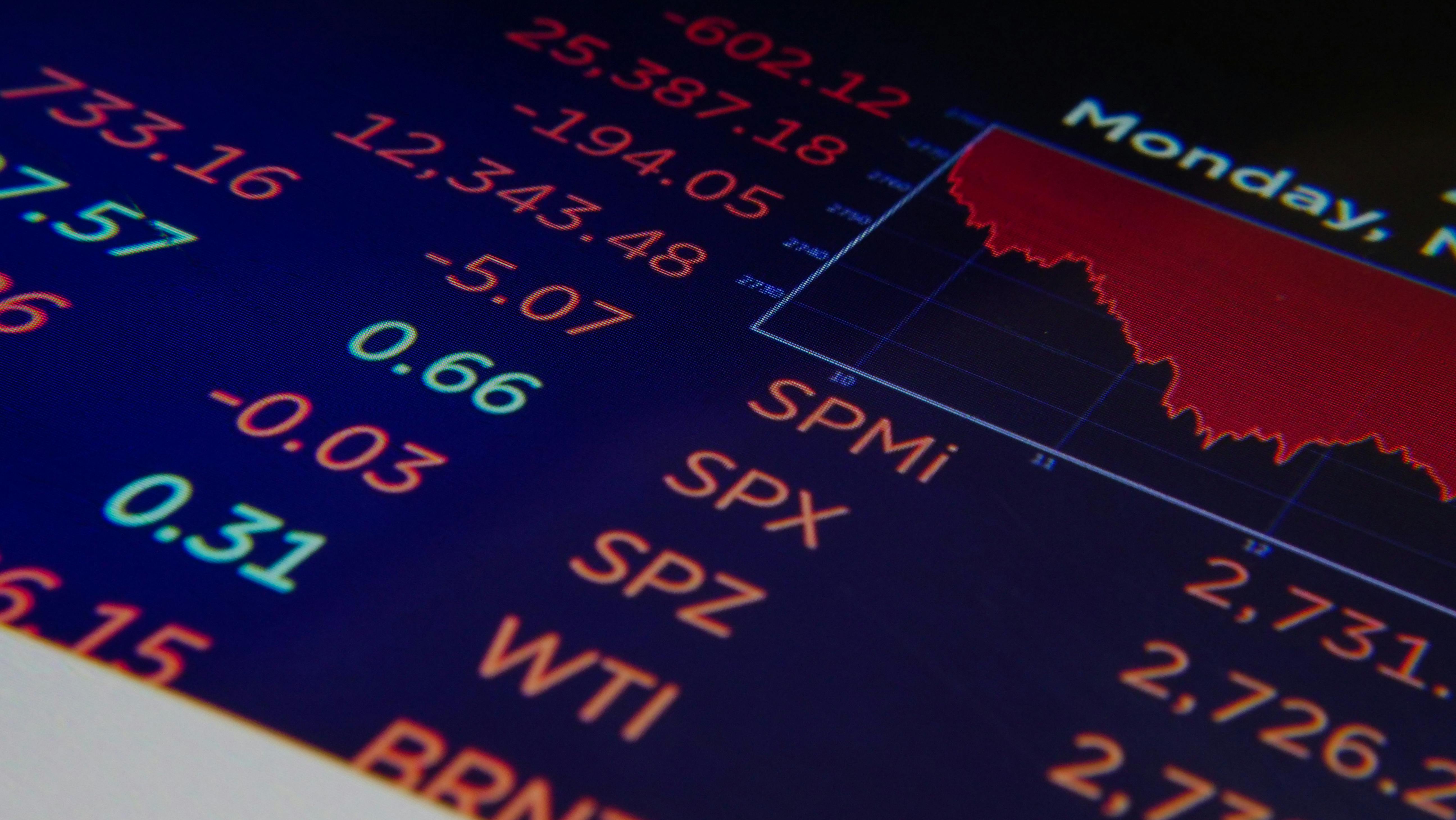
A stock-market correction is a decline of roughly 10% or more from a recent high, and it usually reflects a reset in expectations rather than a moral judgment on the economy. The market prices future cash flows, not wishful thinking, so when growth slows, inflation sticks, or geopolitical risk rises, investors often re-rate stocks fast. That’s the plain truth.
I’ve analyzed enough selloffs to know that corrections rarely arrive with a neat label and a tidy exit ramp. They usually come with conflicting signals: stronger-than-expected payrolls, weaker manufacturing data, oil spikes, Treasury yield swings, and a chorus of pundits insisting the bottom is in. Frankly, that noise is part of the problem. The market does not care about headlines; it cares about whether earnings can survive tighter financial conditions, higher input costs, and a less forgiving multiple.
The Iran cease-fire matters because markets are not just reacting to war, but to the possibility of wider disruption. When tension eases, traders can breathe for a minute. But if the truce does not change the underlying risk to shipping lanes, energy supply, or regional stability, the market may still face the same pricing pressure that caused the correction in the first place. The kicker is that relief can itself become a setup for disappointment.
Most guides talk as if geopolitical calm automatically means higher stock prices. Not so fast. If investors were already paying up for growth, low volatility, and a soft landing, then any hint that inflation could re-accelerate or margins could compress may keep the correction alive longer than people expect. For a good overview of how markets measure downturns, see the SEC definition of a market correction and the Federal Reserve’s discussion of financial conditions in its monetary policy resources.
In plain English, the cease-fire may reduce one source of fear while leaving the bigger plumbing untouched. That is why investors should think in terms of portfolio resilience, not one-day headlines. Markets reward patience and punish laziness. Always have.
Core benefits and why this matters
- Better risk control. A correction forces investors to revisit position sizes, stop pretending concentration is a strategy, and review whether their portfolio matches their time horizon.
- More realistic valuations. Lower prices can improve expected long-term returns, but only if earnings remain durable. Cheap stocks with broken business models are just cheap for a reason.
- Cleaner leadership. After a drawdown, companies with strong balance sheets, pricing power, and durable free cash flow often separate from the pack.
- Sharper portfolio discipline. Corrections expose who is actually diversified and who just owns ten versions of the same trade.
- A moral check. Stewardship means handling wealth with restraint and purpose, not treating capital like a casino chip.
Everyone talks about buying the dip, but few explain which dip, on what valuation, and with what balance sheet. That missing detail matters. In my analysis, the best outcomes come when investors use corrections to rebalance toward quality, not to chase the loudest ticker on social media. The data from Charles Schwab on diversification and JPMorgan’s diversification guide both point in the same direction: spread risk, avoid overconcentration, and stay anchored to objectives.

How to respond, step by step
- Check the cause of the drop. Is this a valuation reset, an earnings shock, a rate shock, or a geopolitical scare? Different causes call for different responses.
- Review your portfolio exposure. Look at sector concentration, duration risk in bonds, exposure to energy-sensitive names, and hidden correlations.
- Stress-test cash needs. If you may need money in the next 12 to 24 months, keep it out of high-volatility assets. Plain and simple.
- Rebalance, don’t flail. Trim oversized positions and refill areas that fell below target weights. I’ve found this works better than emotional trading.
- Watch inflation channels. If oil, freight, or insurance costs rise, watch margins in airlines, retailers, industrials, and consumer discretionary names.
- Use quality filters. Favor companies with strong balance sheets, stable margins, and real free cash flow.
- Hold some dry powder. Cash is not glamorous, but it gives you options when the market turns rude.
Here’s the part most people miss: disciplined investing is not passive surrender. It is active stewardship. You are responsible for allocating resources prudently, weighing risks fairly, and avoiding the pride that says you can predict every headline. That’s not prudence; that’s vanity dressed up as confidence.
For more on macro forces that move portfolios, see the U.S. Energy Information Administration, the IMF on geoeconomic fragmentation, and CFA Institute research on global market structure. Yes, I know—research is less exciting than a hot take. But it pays better.
Comparison table
| Factor | Stock-market correction during geopolitical stress | Typical bullish rebound |
|---|
| Primary driver | Valuation reset, earnings uncertainty, risk premium | Improving sentiment, earnings stability, lower volatility |
| Main market focus | Oil, shipping, inflation, Treasury yields | Growth, margins, liquidity |
| Investor behavior | De-risking, hedging, rebalancing | Adding to winners, rotating into cyclicals |
| Best response | Diversification, quality bias, patience | Selective risk-taking, valuation discipline |
| Biggest danger | Chasing relief rallies too fast | Missing upside by staying too cautious |
Comparisons like this are crude, but they beat staring at a screen and guessing. The real issue is not whether the market is “up” or “down” on a given morning. The issue is whether the cash flows behind your holdings can survive a slower, messier world.
Common mistakes to avoid.
- Confusing a cease-fire with a solution. A pause in conflict is not the same as stable supply chains or predictable policy.
- Buying only because prices fell. A lower price is not a bargain unless the business and balance sheet can support the valuation.
- Ignoring oil and freight. Energy shocks seep into consumer prices and corporate margins faster than many analysts admit.
- Overtrading headlines. Most headline trades are expensive theater.
- Forgetting time horizon. Money needed soon should not sit in assets that can swing wildly.
Most advice says “stay invested” and stops there. That’s lazy. Staying invested without asset allocation discipline can be reckless if your risk tolerance is not aligned with your portfolio. The market punishes sloppy thinking.
For a practical framework on volatility and diversification, see Vanguard’s investing principles. Also, Federal Reserve data on interest rates helps show why bond yields can hit equity valuations harder than people expect. Small details. Big consequences.
Frequently Asked Questions
Q: Does a cease-fire usually make stocks rise?
A: Sometimes, yes, but only briefly if the underlying risks remain. Markets often react first to relief, then refocus on earnings, rates, and inflation.
Q: Why would a geopolitical truce be a bad omen?
A: Because it may signal that markets are still fragile, and because a cease-fire can leave supply risks unresolved. Relief without structural improvement can fade fast.
Q: Should investors sell everything during a correction?
A: No. That is usually a mistake. A better move is to review allocation, rebalance, and make sure you can tolerate the volatility you own.
Q: What should investors watch next?
A: Oil prices, Treasury yields, corporate earnings guidance, shipping disruptions, and central-bank commentary. Those factors tell you more than social media does.
Final thought
The market does not owe anyone a smooth path. A cease-fire may calm one fear, but if it leaves energy risk, inflation risk, and valuation risk intact, the correction can keep grinding lower or at least refuse to heal quickly. That is why I keep coming back to the same boring answer: respect risk, own quality, diversify with purpose, and remember that capital is something to steward, not worship. The headlines will move on. Your portfolio still has to live with the consequences.