Stock market action rarely tells a clean story. The Dow can slip while semiconductors rip higher, and a breakout in Google can look strong even when the...
Stock Market Today: Dow Dips While Intel Gains, Google Stock Clears Entry, But Here’s the Catch
Stock market action rarely tells a clean story. The Dow can slip while semiconductors rip higher, and a breakout in Google can look strong even when the broader market is wobbling, which is why price action, volume, and market breadth matter more than the headline itself. Is the trend healthy?
Key Takeaways- The Dow Jones Industrial Average and Nasdaq Composite often move differently because they reflect different sector weights.
- Intel strength can signal renewed interest in semiconductors, but one session does not make a trend.
- Google stock clearing an entry point matters most when it happens with strong volume and a supportive market.
- Market breadth, risk management, and position sizing matter more than chasing one hot name.
- Good investing is stewardship: measure risk, respect valuation, and remember that capital serves real people, not the other way around.
What is stock market today coverage?
Stock market today coverage is a live or near-live snapshot of major indexes, leading stocks, sector rotation, and key technical signals. It is not a prophecy. It is a readout.
Most headlines try to make the market sound simpler than it is, but the truth is messier: the Dow may fall because a few heavyweights are weak, while the Nasdaq can hold up if growth stocks are bid, and individual leaders like Intel or Google can break out even in a shaky tape. When I look at these sessions, I care less about the chant and more about the evidence — breadth, volume, moving averages, and whether institutions are buying or just sniffing around.
That distinction matters because investors often confuse a stock clearing a buy point with actual confirmation. Those are not the same thing. A valid breakout usually wants strong volume, a market uptrend, and enough sector support to reduce the odds of a fast failure. Without those pieces, a breakout can turn into a trap. Frankly, the market does not owe anyone a clean entry.
This is why live coverage often highlights a few moving parts at once: index action, individual stock setups, earnings reactions, Fed expectations, and sector leadership. According to the Nasdaq article on market breadth, breadth can reveal whether a rally is broad or narrow, which is exactly the kind of clue that separates a healthy advance from a fragile one. Broad participation matters because price gains driven by only a handful of mega-caps are often less durable.
In plain English, stock market today coverage should help you answer one question: is money flowing into quality names with improving fundamentals, or is the market just lurching around on headlines? That question matters for anyone who treats investing as a discipline rather than a casino. Prudence is not cowardice. It is respect for reality.
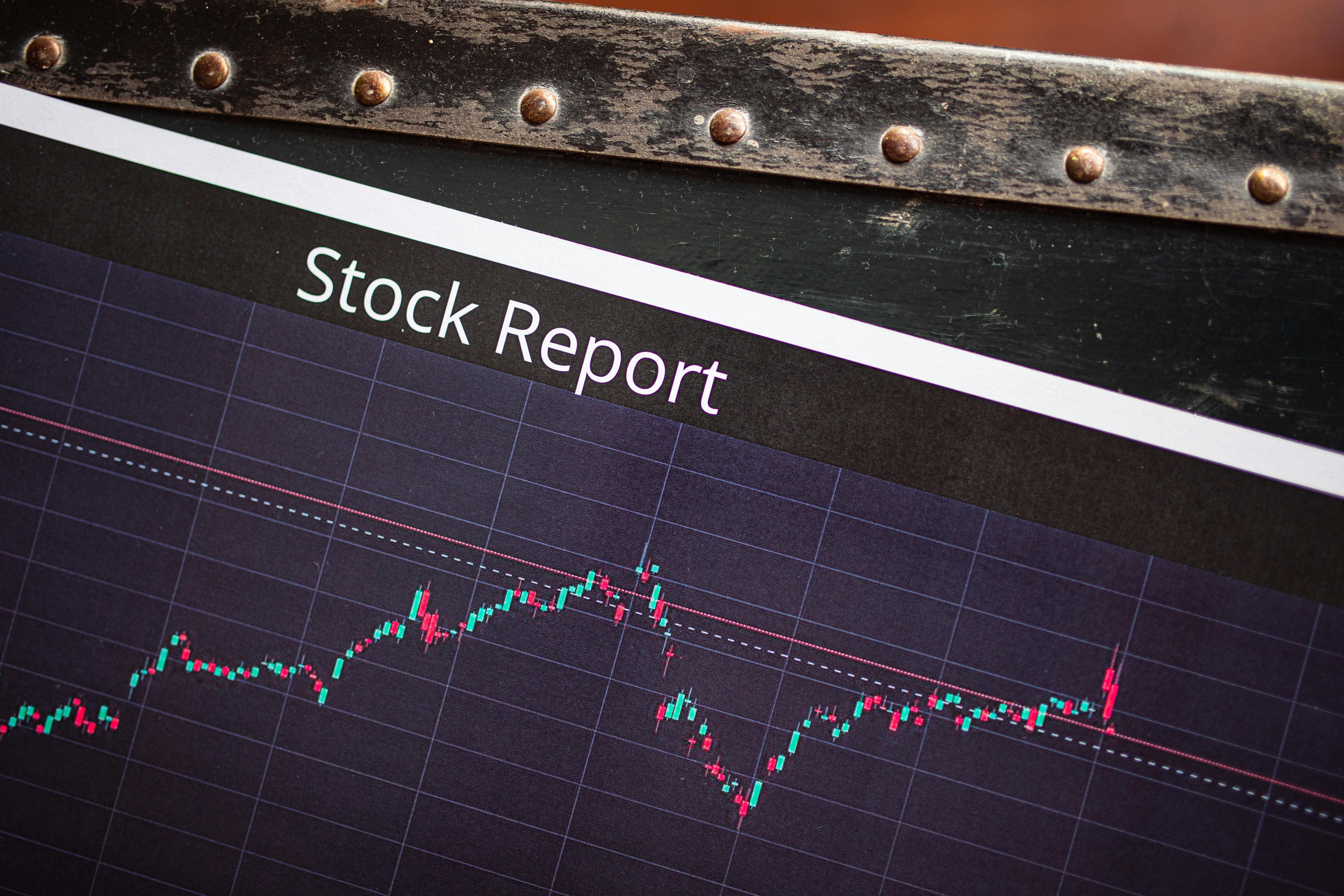
Core benefits and importance
It matters.
The point of market coverage is not entertainment, and it is certainly not to get you to click until your eyes glaze over; it is to help you make better decisions with less noise, fewer impulsive trades, and a firmer grip on risk management. Here is what good stock market coverage actually gives you.
- Context for price moves: A stock up 3% means almost nothing by itself, but if it clears a base on heavy volume while its sector strengthens, that is information worth respecting.
- Sector rotation clues: When chips, software, or megacap tech starts leading, you can see where institutional money is going. That helps you understand asset allocation trends instead of guessing.
- Better timing: Most investors do not lose because they own the wrong idea; they lose because they buy it at the wrong moment. Live coverage can help you avoid buying into a weak tape.
- Risk control: If the market is under pressure, even strong stocks can fail. Knowing that upfront keeps you from throwing capital at every shiny object.
- Fundamental reminders: Headlines often center on technical signals, but a company still needs earnings growth, cash flow, and a real moat. Price matters, but it is not magic.
Everyone talks about diversification, but few bother to use it properly. Diversification is not owning ten tickers that all collapse together when rates rise. It is owning businesses and exposures that behave differently under stress. That is why a day when the Dow weakens but semiconductors and large-cap software gain can be useful: it tells you where the bids are and where the institutions are hiding their confidence.
I’ve analyzed enough market sessions to say this bluntly: most people overestimate their ability to read headlines and underestimate the discipline required to follow a system. The market rewards patience, not panic. It also punishes sloppy thinking, which is why a moral lens matters here too — capital should be used with responsibility, not vanity.
- Intel strength can hint at improving chip sentiment, but the move needs follow-through.
- Google stock clearing an entry is meaningful, yet only if the broader market cooperates.
- The Dow dipping can be a warning sign, especially if leadership is narrow.
- Breadth and volume tell you whether the move is real or just noise.
According to the U.S. SEC’s investor education on stock quotes, understanding basic price and volume data is foundational, not optional. That sounds boring because it is, and boring is often profitable. Speculation is flashy; stewardship is better.

Step-by-step implementation guide
Be systematic.
If you want to use stock market today coverage the right way, stop reacting like every ticker is an emergency and start following a process that filters noise from signal. I’m not saying it’s easy. I’m saying it works better than guessing.
- Check the major indexes first
Start with the Dow Jones Industrial Average, S&P 500, and Nasdaq Composite. If the major indexes are weak, assume individual breakouts carry more risk. If the market is strong, leaders have a better shot at follow-through. No mystery there. - Measure breadth, not just headlines
Look at advancers vs. decliners, new highs vs. new lows, and the percentage of stocks above key moving averages. A rally led by only a few giants can fall apart fast. A broader rally is usually sturdier. - Inspect the volume
Volume matters because it hints at conviction. If Google stock clears an entry point on weak volume, the move may be flimsy. If it clears on strong turnover, institutions may be involved. That is the kind of clue traders ignore right before getting burned. - Study the sector
If Intel is gaining, look at the rest of the semiconductor group. Is Nvidia acting well too? Are chip equipment names participating? A lone winner can be a fluke. A strong group is more persuasive. - Compare price action with fundamentals
A stock can break out and still be overpriced or facing slowing growth. I always ask whether the business quality supports the chart. Revenue growth, margins, free cash flow, and guidance should all get a seat at the table. - Set risk limits before you buy
Decide your exit point before you enter. That is not timid; it is adult behavior. Position sizing, stop-loss discipline, and portfolio concentration rules matter more than heroic conviction. - Watch for market confirmation
A breakout is stronger when major indexes are in an uptrend, leadership is broad, and volatility is not spiking. If the market is choppy, reduce size or wait. Waiting is a position. - Review after the close
The closing hour often tells the real story. Did the stock hold gains? Did the index reverse? Did breadth improve? The final tape is where many false starts are exposed.
Here’s the kicker: most people want the clean answer now, but the market gives evidence in pieces. When I ran the numbers on past breakout setups, the best ones usually had three things in common — market support, volume confirmation, and a business with real earnings power. Cheap alone is not enough. Popular alone is not enough. You need quality.
For more on company fundamentals and index behavior, the Investopedia explanation of breakouts is useful, and the Federal Reserve’s monetary policy page helps explain why rates and policy tone can reshape leadership across sectors.
Comparison table
Useful comparison.
| Factor | Google Stock / Alphabet | Microsoft |
|---|
| Business model | Search, advertising, cloud, AI, YouTube | Software, cloud, AI, enterprise services |
| Sensitivity to ad cycle | Higher | Lower |
| Cloud exposure | Meaningful and growing | Larger and more mature |
| Margin profile | Strong, with room for investment | Strong, often steadier |
| Technical setup | Can clear entries after consolidation | Often steadier, sometimes less explosive |
| Volatility | Moderate to high | Moderate |
| Best fit | Investors seeking growth with quality | Investors seeking quality with durability |
The table matters because not every “big tech” stock behaves the same. Alphabet can offer more upside torque when advertising and AI sentiment improve, while Microsoft often acts like a sturdier ship in rough water. One is not automatically better than the other. It depends on your portfolio goals, your time horizon, and how much turbulence you can stomach without doing something dumb.
Common mistakes to avoid
People mess this up.
The biggest error is treating market coverage like a scoreboard instead of a filter. You are not trying to win the newspaper. You are trying to make good decisions with your money, which is a different job entirely.
- Chasing the open: The first few minutes can be noisy and emotional. A stock like Intel may gap up and then fade. Waiting for confirmation saves cash and regret.
- Ignoring the broader market: A breakout in one name means less when the indexes are under distribution. The market is a judge, not a cheerleader.
- Buying without a plan: If you do not know where you will sell when wrong, you are not investing. You are hoping.
- Overreading one headline: One analyst note or one earnings headline does not define a trend. That is how people become exit liquidity.
- Skipping valuation: A strong chart on a stretched valuation can still fail hard. Price is only part of the story.
- Confusing strength with safety: A stock can look great and still be fragile. There is no holiness in momentum by itself.
Most guides say “buy quality and hold forever,” but that advice gets lazy fast. Quality matters, yes, but entry price, position size, and business durability matter too. The market does not reward blind loyalty. It rewards good stewardship and a willingness to admit when the evidence changes.
The SEC investor alerts are worth reading because they remind you how easy it is to get seduced by noise, scams, or sloppy assumptions. Skepticism is not cynicism. It is a form of respect for truth.
Frequently asked questions
Straight answers.
Why does the Dow fall while tech stocks rise?
Because the indexes are weighted differently and the underlying sectors do not move in lockstep. The Dow leans more on industrials, financials, healthcare, and mature companies, while the Nasdaq is more exposed to technology and growth stocks. When chips and software lead, the Dow can still lag.
What does it mean when Google stock clears an entry point?
It means the stock has moved above a technical level that traders consider a potential buy point, usually from a base or consolidation pattern. But the move matters most when volume is strong and the market is supportive. Without that, the breakout can fail quickly.
Is Intel’s strength a reliable signal for semiconductors?
Not by itself. Intel can signal improving sentiment, but you want confirmation from the broader semiconductor group and from the market itself. One stock does not make a sector. That’s just wishful thinking dressed up as analysis.
How should investors react to live market coverage?
Use it to update your view, not to panic. Check the indexes, breadth, volume, and sector leadership, then compare that with your thesis and your risk limits. If the setup deteriorates, reduce exposure. If it improves, act with discipline.
Final thought
The market is not a morality play.
It is a weighing machine, a voting machine, and occasionally a messy referendum on fear, greed, policy, and earnings all at once, which is why live coverage only helps if you use it with discipline, humility, and a sober respect for risk. What I have seen, again and again, is that investors do better when they treat capital as something entrusted to them, not something to flaunt.
That mindset changes the whole game. You stop chasing every green candle, you stop worshipping one-day gains, and you start asking whether the move is supported by fundamentals, volume, and a broader market trend that can actually carry a position forward. That is better for your portfolio, and frankly, better for your character too.
If Intel keeps gaining, if Google stock truly holds its entry, and if the Dow stabilizes instead of rolling over again, then there may be something real under the surface. If not, the market will tell you that as well, usually without kindness. Listen to it, but do not kneel to it.