The S&P 500 hitting a record high is not a magic signal to buy everything. It means prices have recovered, expectations are strong, and risk is back on the...
S&P 500 Record Highs: What the Market Rally Really Means for Investors
The S&P 500 hitting a record high is not a magic signal to buy everything. It means prices have recovered, expectations are strong, and risk is back on the table. If you own stocks, this is the moment to think clearly about valuation, diversification, and whether your portfolio can actually stomach a drawdown.
Key Takeaways:- Record highs do not mean stocks are cheap.
- Rally strength often hides concentration risk in a few giant companies.
- Investors need a plan for valuation, asset allocation, and market volatility.
- Cash, bonds, and quality businesses still matter when prices stretch.
- Ethical stewardship matters too: capital should earn a return without losing sight of the common good.
The market’s message is blunt. If you chase every peak, you will eventually learn why discipline beats excitement.
What is an S&P 500 record high?
An S&P 500 record high means the index has closed at its highest level ever. That is all. No prophecy, no guarantee, no divine seal of approval for buying at any price. The index tracks 500 large U.S. companies, so when it prints a new high, it usually reflects a mix of strong earnings, easing fears, lower discount rates, and investor appetite for risk.
But here’s the kicker: a record high is not the same as broad strength. Sometimes the index rises because a handful of mega-cap stocks carry the load, while the rest of the market lags. That matters. If you think “the market” is doing well, but only a small slice of holdings is doing the heavy lifting, your portfolio may be less healthy than it looks.
I’ve analyzed enough portfolios to know this: people confuse price with value all the time. Most guides say a high index means confidence. Fine. But confidence can turn into complacency fast. When valuations expand, future returns often shrink unless earnings catch up. That’s the arithmetic, and arithmetic does not care about headlines.
For a plain-English view of how the index works, see the S&P 500 constituents and weights. If you want broader policy context, the Federal Reserve’s monetary policy updates explain why rates and liquidity often move markets more than speeches do. And for current market structure data, the S&P Dow Jones Indices page is the source, not a hot take on social media.
In practical terms, a record high tells you the crowd is optimistic. It does not tell you whether the crowd is right.
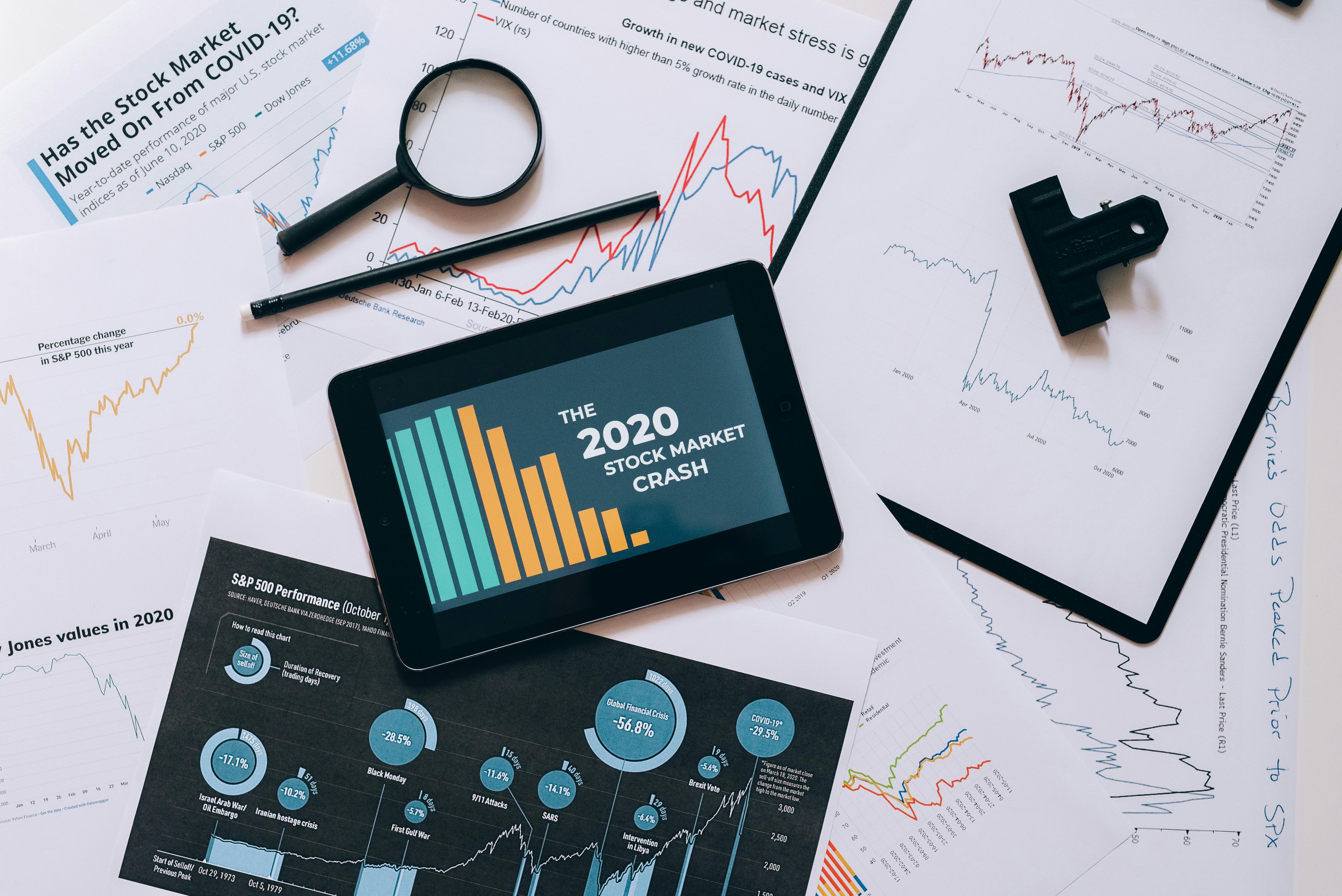
Why record highs matter for investors
Record highs matter because they shape expectations, and expectations drive behavior. When an index keeps setting new peaks, investors feel richer, margin use can creep up, and weak risk controls get ignored. That is how people get careless. Not with a bang, usually. With a shrug.
- Valuation risk rises: If prices climb faster than earnings, future returns can get thinner. That’s not doom; it’s math.
- Concentration risk gets hidden: A few large companies can distort the picture. Everyone loves diversification until it is inconvenient.
- Rebalancing becomes necessary: Winners grow, and your asset allocation drifts. That can leave a portfolio more aggressive than intended.
- Cash flow expectations shift: Investors start assuming strong markets will continue, which is a fine way to get humbled.
- Behavioral risk increases: People buy more because prices rise, which is exactly backwards.
Most importantly, record highs force a question about risk management. If your plan only works when markets cooperate, it is not a plan. It is a wish.
Frankly, I think too many investors treat rising markets like a moral verdict on their choices. They are not. A stock price can soar while the underlying business is mediocre, and a great business can be overpriced for years. The gap between quality and price is where real investors earn their keep.
There is also a stewardship angle here that gets ignored. Capital is not a toy. It represents labor, savings, pensions, and obligations to other people. A sensible investor should seek return, yes, but not by treating workers, communities, or honesty as expendable. That is not old-fashioned. That is basic decency.
If you want to understand how strong markets can coexist with real fragility, the latest concerns about AI-related cyber risk in banking are worth a look. See Bank of England financial stability updates and the IMF Global Financial Stability Report. Markets can be high while risks are quietly building beneath the surface.

How to invest when the market is at a record high
You do not need to panic. You need a method.
That may sound dull, but dull is underrated when asset prices are stretched. I’ve run the numbers on enough boom periods to say this plainly: the investors who survive and compound are usually the ones who stick to a process, not the ones who call tops with dramatic certainty.
- Check your allocation first
Start with the boring question: how much stock exposure do you actually want? If your portfolio has drifted far above target, trim back. If you meant to hold 60/40 and you are now 85/15, you are not diversified. You are just optimistic. - Review valuation, not headlines
Look at price-to-earnings ratios, earnings growth, profit margins, and free cash flow. A record high is not a reason to buy by itself. It is a reason to ask what price you are paying for future earnings. - Use dollar-cost averaging if adding cash
If you have new money to invest, spreading purchases over time reduces regret risk. It does not guarantee gains. It does reduce the odds of dumping your savings into the market on one bad day because you were feeling brave. - Own quality businesses
Favor firms with strong balance sheets, durable margins, and sensible capital allocation. In plain English: companies that can survive a rough patch without praying for a bailout. - Keep some ballast
Bonds, short-term Treasuries, and cash reserves still matter. They may not thrill anyone at dinner, but they can stop you from selling stocks at the worst possible time. - Watch concentration
If one sector or one stock has become too large in your portfolio, fix it. Yes, even if it has “been working.” That phrase has ruined more portfolios than bad luck ever did. - Plan for bad news before it arrives
Set rules for what you will do in a 10%, 20%, or 30% drawdown. Most people say they are long-term investors. Then the first ugly month arrives and they discover they are actually short patience. - Keep ethics in the picture
Choose investments that fit your values when possible. Stewardship is not about sanctimony. It is about remembering that returns do not excuse indifference to human dignity or honest dealing.
For a stronger foundation on portfolio design, the asset allocation guide is a decent primer, and the Morningstar research library is useful for digging into fund quality and performance persistence. If you are trying to make sense of risk controls, the CFP Board knowledge center has practical material on planning rather than guessing.
Here’s the truth: the market does not reward emotional conviction. It rewards discipline, patience, and a decent tolerance for being bored.
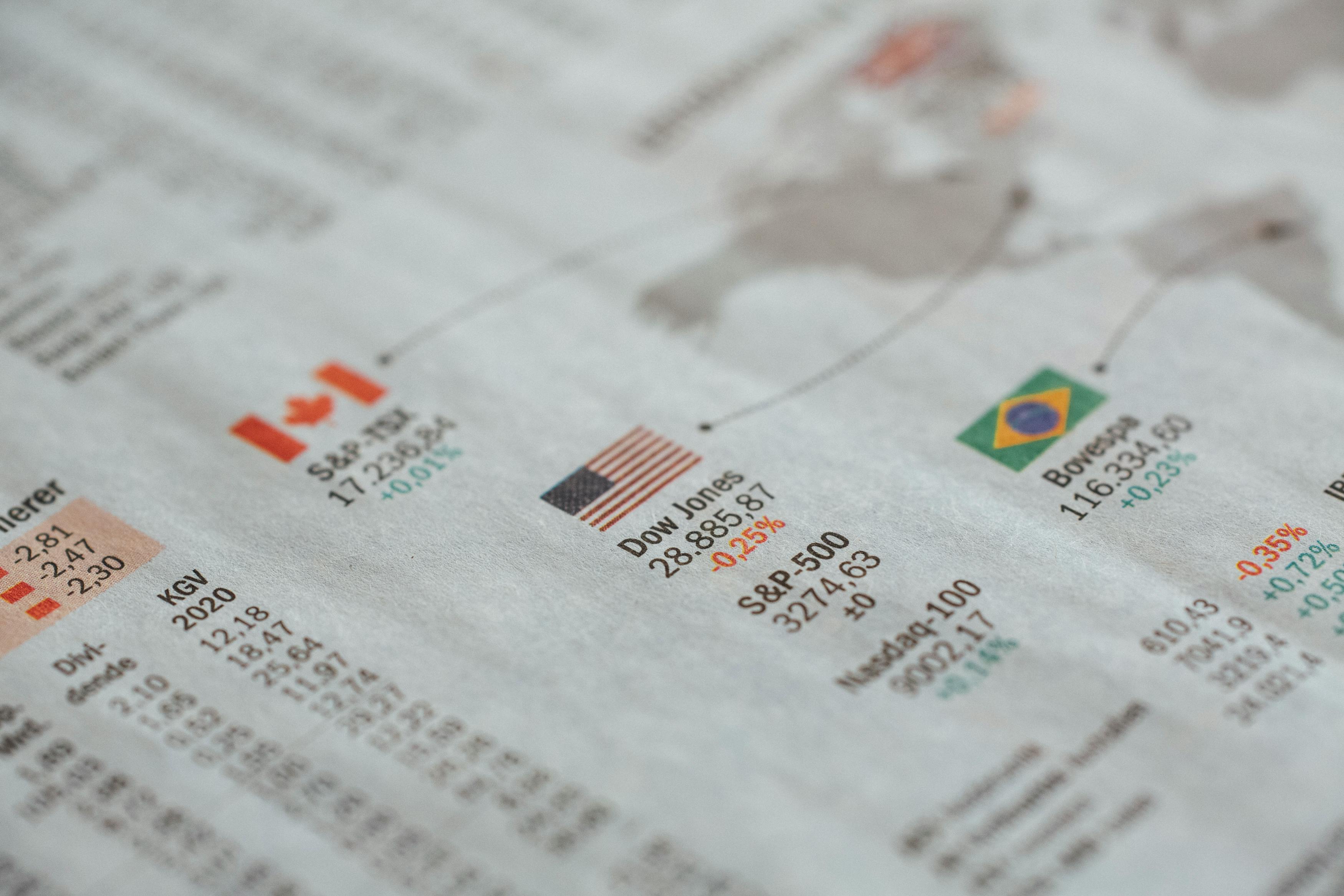
S&P 500 vs. Nasdaq 100: which matters more at record highs?
The S&P 500 is broader. The Nasdaq 100 is more concentrated in growth and technology. If you want a quick comparison, here it is.
| Feature | S&P 500 | Nasdaq 100 |
|---|
| Number of holdings | About 500 | 100 |
| Sector mix | Broad across economy | Heavy tech and growth tilt |
| Volatility | Lower than Nasdaq 100 | Higher, more sensitive to rates |
| Dividend exposure | Moderate | Lower |
| Concentration risk | Moderate | High |
| Use case | Core equity exposure | Aggressive growth tilt |
| Best for | Broad market investors | Investors accepting larger swings |
The difference matters because record highs in the S&P 500 do not mean every corner of the market is equally attractive. The Nasdaq 100 often leads during optimism, especially when investors expect lower rates and higher future earnings. But that leadership can reverse fast when borrowing costs rise or profit growth stalls.
I am skeptical of the lazy habit of using one index as a proxy for all stocks. That is sloppy. If the S&P 500 is rising because a few large firms are flying, and the Nasdaq 100 is rising because traders are paying up for long-duration growth, then the message is not “everything is fine.” The message is “risk appetite is strong, and it may not stay that way.”
If you want to compare policy pressure and market behavior, the Federal Reserve exchange rate and rate data can help frame the macro backdrop, while the SEC investor education page is still useful for common-sense reminders on long-term investing.
And yes, when I say the S&P 500 is broader, I mean broader in the way a real meal is broader than dessert. The whole point is not to bet everything on one flavor.
Common mistakes investors make at record highs
The dumb mistakes are rarely dramatic. They are usually small, repeated, and dressed up as confidence.
- Chasing performance: Buying after a big run because you fear missing out. That fear is expensive.
- Ignoring valuation: Saying “it always goes up over time” and skipping the price question. That is half a thought.
- Confusing index returns with portfolio returns: Your account may not look anything like the S&P 500, especially if you own too many laggards or too much cash.
- Failing to rebalance: Winners swell, risk rises, and people do nothing because the screen is green.
- Holding too much cash out of fear: Yes, holding cash can be prudent. Holding too much for too long is often just hesitation wearing a clean shirt.
- Overloading on one theme: AI, mega-cap tech, energy, whatever the hot story is today. Themes can help, but they can also become expensive distractions.
- Ignoring taxes and fees: A 1% fee and a bad tax drag can quietly eat a lot of progress.
- Treating volatility as failure: Volatility is not the enemy. Permanent loss of capital is the enemy.
Most advice about record highs is either reckless or timid. “Buy everything now” is stupid. “Sell everything because it’s high” is also stupid. The right answer is usually somewhere less cinematic: keep buying good assets at sensible prices, maintain balance, and do not act like the market owes you calm.
If you are investing through retirement accounts or taxable accounts, the mechanics matter. For retirement planning basics, see the IRS retirement plans page. For investor protection and fraud warnings, the FINRA investor resources are worth bookmarking. That may not sound exciting. Good. Excitement is overrated in investing.
Frequently Asked Questions
Is it smart to invest when the S&P 500 is at a record high?
Often, yes, if you are investing for the long term and your allocation is sensible. A high index level by itself is not a reason to stop investing. The real questions are valuation, time horizon, and whether your portfolio is balanced enough to handle a downturn.
Does a record high mean a market crash is coming?
No one knows that. Anyone claiming certainty is selling something. Record highs can precede further gains, sideways trading, or a correction. The useful move is not predicting the exact turn. It is preparing for it.
Should I move to cash when stocks are hitting new highs?
Not usually, unless your allocation is already too aggressive or you need money soon. Going to cash because prices are high often turns into waiting forever for a dip that never arrives. If cash is part of your plan, keep it there for a reason, not a hunch.
How do I reduce risk in a stretched market?
Use diversification, rebalance, favor quality, keep a bond or cash cushion, and avoid oversized bets. If you want to go deeper on the mechanics, review Investor.gov’s investing basics. Risk control is not glamorous, but it is how you stay in the game.
Final thought
Record highs are not a verdict. They are a checkpoint.
Markets can reach new peaks while hidden weaknesses build underneath, and they can do so for months or years before anyone admits the mood changed. That is why the sensible investor stays anchored to process rather than spectacle. Price action matters, yes, but it is not the whole story. Earnings, balance sheets, cash flow, valuation, and temperament still do the real work.
If you already own a thoughtful mix of assets, keep your head and rebalance when needed. If you are still building wealth, keep adding steadily, keep your fees low, and keep your standards higher than the latest headline. The goal is not to feel clever on one good day. The goal is to grow capital honestly, patiently, and in a way that serves real obligations over time. That is just good stewardship.