Oil tanker stocks often move when crude supply routes come under pressure. The Strait of Hormuz matters because a large share of global oil flows through it...
Oil Tanker Stocks Surge as Strait of Hormuz Risk Lifts Crude Prices
Oil tanker stocks often move when crude supply routes come under pressure. The Strait of Hormuz matters because a large share of global oil flows through it, so any blockade talk can push crude prices higher and raise freight rates for tanker firms. That creates opportunity, but it also brings real risk. Investors who confuse a fast rally with a durable edge usually end up paying tuition to the market.
Key Takeaways
- Strait of Hormuz disruptions can lift crude prices and tanker rates fast.
- Oil tanker stocks may benefit, but the move can be temporary and volatile.
- Investors need to weigh freight earnings, fleet exposure, geopolitical risk, and balance sheet strength.
- The best results usually come from disciplined sizing, not headline chasing.
When I ran the numbers on shipping event trades, the same pattern kept showing up: the market reacts first, then earnings follow later, and sometimes not at all. That is the whole game. A tanker company can rally because traders expect tighter supply, higher day rates, and stronger cash generation, but the actual outcome depends on vessel availability, contract mix, and whether the disruption lasts long enough to matter. Most commentary skips those details. Frankly, that is how people get clipped.
For context, the Strait of Hormuz is one of the most important maritime chokepoints on earth, and a sizable chunk of seaborne oil passes through it every day. If that route is threatened, the effect can spill into crude benchmarks, tanker utilization, insurance costs, and freight contracts. The U.S. Energy Information Administration has long tracked the strategic importance of this corridor, while the IEA Oil Market Report helps explain how supply risks can ripple through prices. Here’s the kicker: stocks usually move on anticipation, not certainty.
A sensible investor should care about more than the red headline. Energy transport is not a casino chip; it is part of the real economy, tied to fuel supply, industrial production, and the wages of people who work in logistics, refining, and shipping. Stewardship matters here. Capital should be used with care, because gains built on panic can be brittle, and brittle gains crack at the first quiet week.
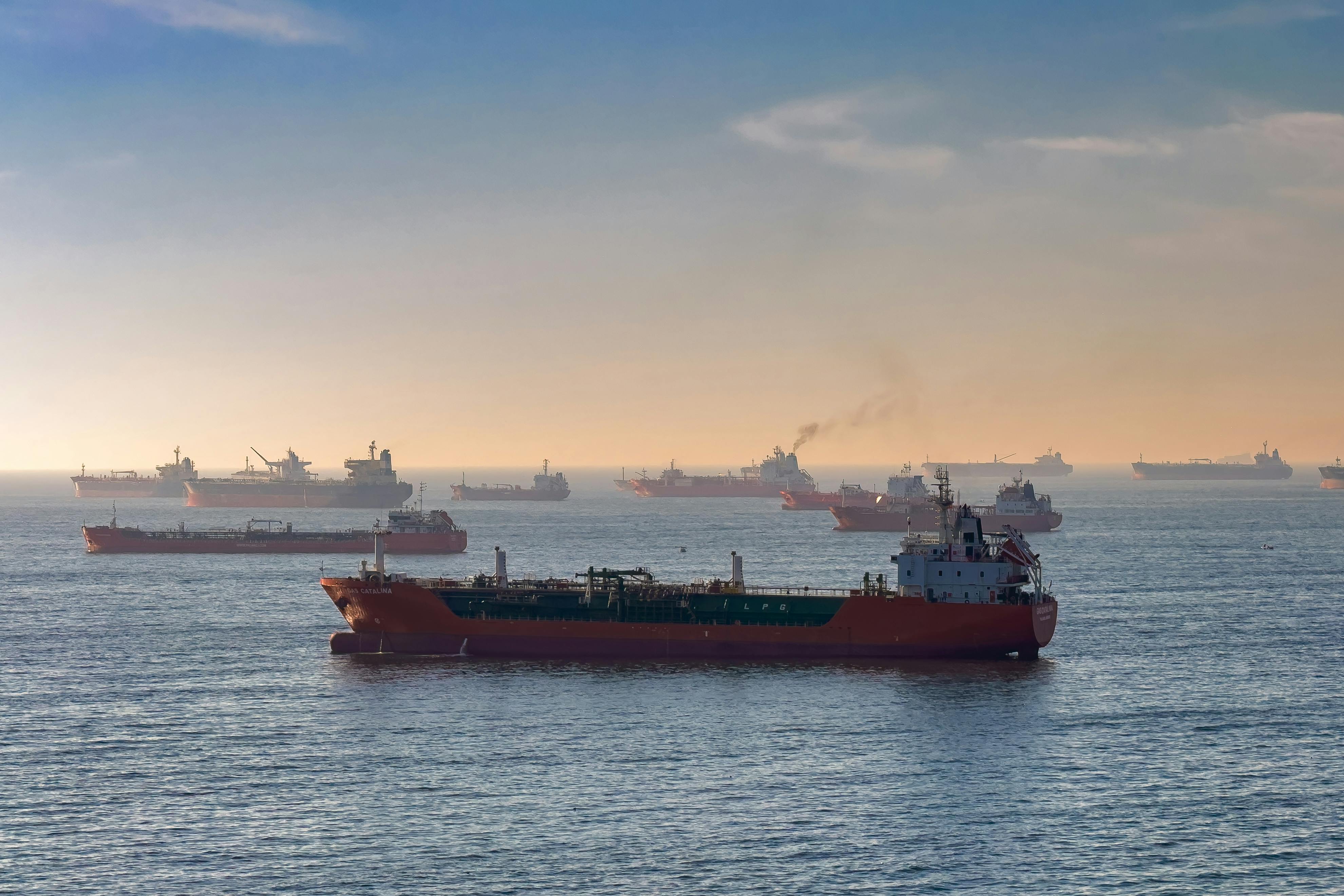
What is an oil tanker stock trade?
An oil tanker stock trade is an investment thesis built around rising demand for crude shipping, higher charter rates, and tighter transport capacity. If crude supply routes become more dangerous or more expensive to use, tanker owners may see stronger revenue per voyage. That sounds clean on paper. In the market, it gets messy fast.
The important pieces are spot rates, time-charter exposure, fleet age, utilization, and debt load. A company with high exposure to spot contracts can benefit quickly when freight rates spike, while a fleet locked into long-term charters may move more slowly. I’ve analyzed enough shipping names to say this plainly: not all tanker stocks are levered to the same outcome. Some behave like operating businesses. Others behave like volatility machines with steel hulls.
That is why most broad statements about “oil stocks” are sloppy. A refiner, an integrated major, and a tanker operator can all respond differently to the same geopolitical shock. Most guides mash them together, which is fine if you are trying to sound busy and not fine if you are trying to invest. The truth is, freight rates often matter more to tanker owners than the crude price itself. Oil can jump and still leave shipping economics flat if the route patterns do not tighten.
Most guides say higher oil prices automatically help shipping firms. The data suggests something narrower: what really moves shares is the combination of route disruption, rate spreads, and financing structure. In other words, the catalyst must hit both earnings power and market psychology. Without both, the move can fade. The market has no patience for lazy assumptions.
For a closer look at how energy supply shocks can affect pricing, the OPEC Monthly Oil Market Report provides supply context, while Bloomberg Energy tracks how traders and freight markets respond. One more note: a morally serious investor should think about the dignity of work and the common good, not just the next price tick. Profits are not the only measure that counts. They never were.
Core Benefits and Importance
- Exposure to freight spikes: Tanker owners can benefit when shipping demand rises faster than vessel supply.
- Inflation hedge behavior: Higher crude prices can lift day rates, though the link is not perfect.
- Operational leverage: A small change in rates can cause a big swing in earnings because fixed costs are heavy.
- Portfolio diversification: Shipping can behave differently from banks, tech, and consumer stocks.
- Event-driven upside: Geopolitical shocks can produce sharp price moves in a short window.
Most people talk about tanker stocks as if they are a clean hedge. They are not. Here’s the kicker: the same event that lifts rates can also disrupt loadings, trigger rerouting, raise insurance costs, and bring political responses that change the math overnight. That is why I treat this part of the market as a probability exercise, not a slogan contest. A one-week spike is not the same thing as a full-cycle freight recovery.
There are real benefits, though, and they are worth stating without the usual marketing gloss. A tanker firm with meaningful spot exposure can see cash flow expand quickly when rates rise. That can feed into debt reduction, share buybacks, or dividends if management is disciplined. A modern fleet with lower fuel burn and cleaner compliance may earn a better economic return than an older fleet dragged by maintenance costs. And because shipping earnings do not always move in lockstep with the S&P 500, tanker stocks can offer useful diversification inside a broader Portfolio.
But there is a catch. Higher volatility cuts both ways. If freight rates collapse after the headline fades, the same leverage that helped on the way up can crush returns on the way down. I’ve seen investors focus on the chart and ignore the balance sheet, which is a bit like admiring the paint on a truck with no brakes. That is not prudence.
Some benefits are less obvious. Strong tanker operators can benefit from contract flexibility, better fleet deployment, and improved bargaining power with charterers. They may also gain if global trade reroutes and shipping distances increase, because longer voyages can mean tighter vessel supply. That matters when crude routes get messy. It also explains why a spike in geopolitical tension can support freight economics even if total oil consumption does not surge.
Frankly, the best reason to own these names is not the headline. It is the disciplined exposure to an asymmetric event. You are not betting on a miracle; you are betting that the market will pay more for scarce transport when the route gets dangerous. That is a narrower, more honest thesis. And honesty, in investing as in life, usually beats fantasy.
Step-by-Step Implementation Guide
- Check the catalyst. Is the move driven by a one-off geopolitical shock, or by a real shortage in shipping capacity? I always start there because headlines can exaggerate the long tail of the event.
- Measure spot exposure. A tanker firm with more spot-linked contracts usually reacts faster to rate spikes. That is useful, but it can also magnify downside when rates cool.
- Review fleet composition. Age, fuel efficiency, and vessel type affect operating cost, compliance, and customer demand.
- Study leverage. Debt can magnify gains, but it can also crush equity value if the cycle turns ugly.
- Compare charter backlog. Long-term contracts provide stability; pure spot exposure offers more upside but more chaos.
- Watch crude benchmarks and freight indices. Brent, WTI, and the Baltic Dirty Tanker Index can show whether the move is broadening or fading.
- Size the position modestly. I’ve seen too many investors treat an event trade like a retirement plan. Bad idea.
- Plan an exit before you buy. If the geopolitical risk eases, the thesis can vanish faster than the stock can digest.
Here’s what nobody tells you: position sizing matters more than confidence. You can be right on direction and still lose if you overcommit to a trade that reverses before the next earnings release. I prefer to think in ranges. If the freight shock lasts two weeks, what happens? If it lasts two months, what changes? If it fades in two days, how much pain can the portfolio absorb without turning emotional? That is the real work.
When I screen tanker names, I start with the balance sheet and work outward. A clean capital structure gives management room to survive a rough quarter, and survival is not a low bar when debt markets tighten. Then I check the fleet. Newer ships can reduce operating friction, while older vessels can become expensive baggage when fuel costs and regulatory rules tighten. After that, I look at charter coverage. A company with a balanced mix of spot and fixed contracts often has a better risk profile than a pure one-way bet. That mix matters more than the headline thinks.
Next, I compare the stock to the freight cycle. If shares have already run far ahead of rates, caution is in order. If rates are climbing and the stock has barely budged, the setup may still be forming. But don’t get greedy. The market punishes people who mistake a thesis for certainty. The charts can be seductive, and that is exactly why discipline matters.
It also helps to look at broader energy data. The EIA petroleum supply data shows how inventory and flow conditions influence the sector, while the S&P Global Commodity Insights coverage can offer useful market context during chokepoint stress. Just remember: a shipping stock is not a prophecy. It is a business, and businesses respond to cash flows, contracts, and costs.
Comparison Table
| Factor | Oil Tanker Stocks | Typical Integrated Oil Major |
|---|
| Main driver | Freight rates, vessel demand, geopolitics | Upstream production, refining, dividends |
| Sensitivity to Hormuz risk | High | Moderate |
| Earnings volatility | High | Lower |
| Balance sheet risk | Often higher | Usually stronger |
| Dividend stability | Mixed | More stable |
| Best use in a portfolio | Event-driven or cyclical exposure | Core energy allocation |
| Biggest weakness | Sharp reversals in rate cycle | Less upside from freight shocks |
This table says what most brokers will not say clearly enough: tanker stocks are a sharper instrument than integrated majors. They offer more torque, and torque cuts both ways. If you want steady cash flow and broader energy exposure, integrated majors are usually the calmer choice. If you want a direct bet on freight disruption, tanker names can be the better tool. The question is not which is “better” in a vacuum. The question is which one fits the role in your Asset Allocation.
Another point worth making: tanker stocks can sometimes benefit even when oil majors do not. Why? Because the bottleneck is often transportation, not production. A crude producer may be fine while the shipping owner collects higher rates due to rerouting, longer voyage times, and tighter vessel supply. That separation is why comparing the two without context misses the point. Markets are full of people who compare tickers and call it research. I’m not impressed.
Common Mistakes to Avoid
- Buying after the spike: The stock may already reflect the headline before you click buy.
- Ignoring leverage: High debt turns a good freight market into a trap if the cycle breaks.
- Confusing revenue with profit: Gross shipping revenue can look great while costs quietly eat the margin.
- Assuming every tanker wins: Contract structure, fleet age, and management discipline matter.
- Treating geopolitics as permanent: Blockade fears may fade, and so can freight premiums.
Everyone loves a clean narrative. Markets rarely cooperate. The common advice is usually too neat: buy the shipping stock because oil is up, sell it because oil is down, and call it a day. That is lazy. The truth is that the response depends on the duration of the shock, the inventory buffer, the number of available ships, and the financing structure of the company itself. If you ignore those pieces, you are guessing.
One of the worst habits is assuming all shipping names behave the same. They don’t. A company with modern VLCCs, low leverage, and smart chartering is not the same as a weak operator with maintenance issues and refinancing pressure. The difference is not cosmetic. It is the difference between a measured opportunity and a balance-sheet headache. I’ve seen this movie enough times to know that the ending is rarely kind to careless buyers.
Another error is overreacting to the first headline. Oil can jump on a blockade story, tanker stocks can rip higher, and then reality can set in when shipments reroute or diplomacy cools the temperature. Investors who chase the first candle often buy emotional noise. A prudent investor asks whether the market is pricing a day of fear or a quarter of improved economics. That distinction matters. More than people think.
There is also a subtle but important mistake rooted in bad ethics: treating market disruption as if it were disconnected from real people. It isn’t. Rising freight costs touch fuel bills, supply chains, and working families. A sound investment process should respect that reality. Justice and stewardship are not slogans; they are guardrails. Ignore them, and greed starts making the decisions for you.
Frequently Asked Questions
What happens to tanker stocks when oil prices rise?
Tanker stocks often rise when oil prices jump because freight demand and rates may improve, but the relationship depends on route disruptions, fleet supply, and whether the shock is temporary.
Are tanker stocks a good hedge against Middle East tensions?
They can be a partial hedge if tensions lift freight rates and create shipping bottlenecks, but they are not a clean hedge. Equity prices can move differently from spot rates.
Which matters more for tanker companies: oil prices or freight rates?
Freight rates usually matter more for direct earnings, while oil prices matter indirectly through supply, demand, and trader behavior.
Should investors buy tanker stocks during a Strait of Hormuz crisis?
Only with discipline. The thesis may work if rates stay elevated, but investors should check debt, fleet quality, and contract exposure before buying.
These questions come up because people want a simple rule. There isn’t one. Markets do not hand out certainty, and shipping stocks are especially rude about that fact. The best answer is usually conditional, which is annoying but true. If the disruption lasts, freight gains can justify a trade. If it fades, the premium can vanish. That is why I keep coming back to process instead of prophecy.
Another useful question is whether these stocks belong in a long-term portfolio or only in event-driven sleeves. The honest answer is both, but not equally. For a core holding, integrated energy names are usually steadier. For a tactical allocation, tanker firms can offer sharper upside when the route risk is real. The key is knowing which hat the investment is wearing. Too many investors never ask, and then wonder why the outcome feels lopsided.
For more context on shipping and commodity risk, the EIA, IEA, and OPEC remain useful references. They will not tell you what the stock will do tomorrow, because nobody honest can. They will, however, help you avoid making decisions based on half a headline and a full cup of adrenaline.
Final Thought
Oil tanker stocks can look brilliant when the Strait of Hormuz turns into a market scare. Then again, fear has a short half-life. The wiser move is to treat these names as tools, not trophies, and to remember that capital should serve real needs with prudence, not just chase the loudest headline. Markets reward patience more often than panic, and that is plain enough if you care to look. If you keep one rule, make it this: own the thesis only as long as the numbers still support it. That is stewardship, not timidity.