Oil prices can spike fast when supply gets tight, especially when stockpiles are falling, shipping routes are disrupted, and producers refuse or fail to ramp...
Oil Prices, Supply Fears, and the Next Crunch: What Traders and Investors Need to Know
Oil prices can spike fast when supply gets tight, especially when stockpiles are falling, shipping routes are disrupted, and producers refuse or fail to ramp output. The recent move toward $126 a barrel is not random drama; it reflects a market that is already strained by geopolitics, thin inventories, refinery bottlenecks, and nervous traders. For investors, this matters because crude is not just a commodity. It feeds inflation, margins, transport costs, earnings forecasts, and central bank decisions. If the market tips into a genuine crunch, the damage spreads beyond energy stocks and into everyday goods, bond yields, and consumer spending. The question is not whether oil can rise. It already has. The real question is how much further it can go before economies start choking on the bill.
Key Takeaways- Oil prices react sharply to supply shocks, especially when global stockpiles are already low.
- Shipping disruptions and war risk can tighten supply even without a formal production cut.
- Big producers like Exxon and Chevron may resist political pressure if capital discipline matters more than volume.
- Higher oil prices raise inflation, squeeze consumers, and complicate interest-rate policy.
- Investors should treat oil as both an inflation hedge and a volatility source.
What is an oil price crunch?
An oil price crunch is a period when crude supply cannot keep up with demand, and the market begins to bid prices higher in a hurry. It usually shows up first in futures prices, then in gasoline, diesel, jet fuel, freight rates, and eventually broader inflation data. In plain English: there is less oil available than traders expected, and the people who need it are forced to pay up. That sounds simple because it is.
The recent market action makes sense once you strip away the noise. Global stockpiles have been shrinking, geopolitical tensions have kept Middle East shipping routes unstable, and some exporters have been cautious about raising output. When I look at these setups, I do not see magic. I see a basic imbalance between barrels available today and barrels demanded tomorrow. That imbalance can become self-reinforcing because traders do not wait politely for confirmation. They buy first, ask questions later.
The crude market is also obsessed with anticipation. Futures prices reflect not just current supply, but what traders think supply will look like in a few weeks or months. So if ships avoid the Suez route and take the longer voyage around Africa, or if refiners worry about replacement barrels, the price can jump before any physical shortage hits the pump. That is why headlines about production pressure on the U.S. Energy Information Administration often matter more than soothing speeches from officials. Reality wins eventually.
The best way to think about this is as a market stress test. Oil is the input that everything else takes for granted until it gets expensive. Then the bill arrives, and it arrives everywhere. And yes, that includes the moral side of the ledger too: energy policy is not only about profits and politics, but about stewardship, fair access, and the real burden placed on families who live paycheck to paycheck.
Why oil prices matter more than people admit
Oil is not just another line item. It sits under the whole economy like a load-bearing beam. When crude rises, costs move through transportation, manufacturing, agriculture, plastics, airlines, chemicals, and consumer goods. Anyone who tells you oil is “only a sector trade” is either joking or selling something.
- Inflation pressure rises fast. Higher crude feeds directly into fuel and transport costs, and then into food and freight, which is why central bankers watch it like hawks. The U.S. Federal Reserve has repeatedly noted the role of energy in inflation volatility, and it is not hard to see why. See the Fed’s discussion of inflation drivers at Federal Reserve monetary policy resources.
- Consumers feel the squeeze immediately. Gasoline is one of the few prices people notice every week, and they remember it. A jump in pump prices changes driving habits, vacation plans, and household budgets faster than most economists’ models can catch up.
- Corporate margins get hit. Airlines, delivery firms, truckers, and heavy industry face higher input costs. Some can pass costs through. Many cannot. That is the kicker.
- Bond markets get twitchy. Higher energy costs can keep inflation sticky, which means higher-for-longer rates stay on the table. That matters for discount rates, equity valuations, and debt service.
- Geopolitics becomes part of pricing. If war risk diverts ships from the Suez Canal to longer routes around Africa, the market treats that as a real cost, not abstract theater. The Baltic and Red Sea shipping situation has been tracked closely by the International Energy Agency oil market reports, and for good reason.
Most guides overstate the elegance of commodity markets. They are not elegant. They are messy, emotional, and brutally practical. I have looked at enough price spikes to say this bluntly: the market rarely waits until the shortage is obvious. It moves when the probability of shortage rises.
That is why oil still matters to portfolio construction. A balanced portfolio is not just stocks and bonds; it is also an awareness of where inflation can ambush your returns. Folks who ignore energy costs often end up surprised by the bill. Not ideal.
How an oil shock develops, step by step
An oil shock rarely starts with a siren. It starts with a set of pressures that look manageable right up until they are not. Traders see the first signs, then inventories tighten, then the price curve gets jumpy, then the headlines start using words like “crunch,” which is usually the market’s way of admitting it waited too long.
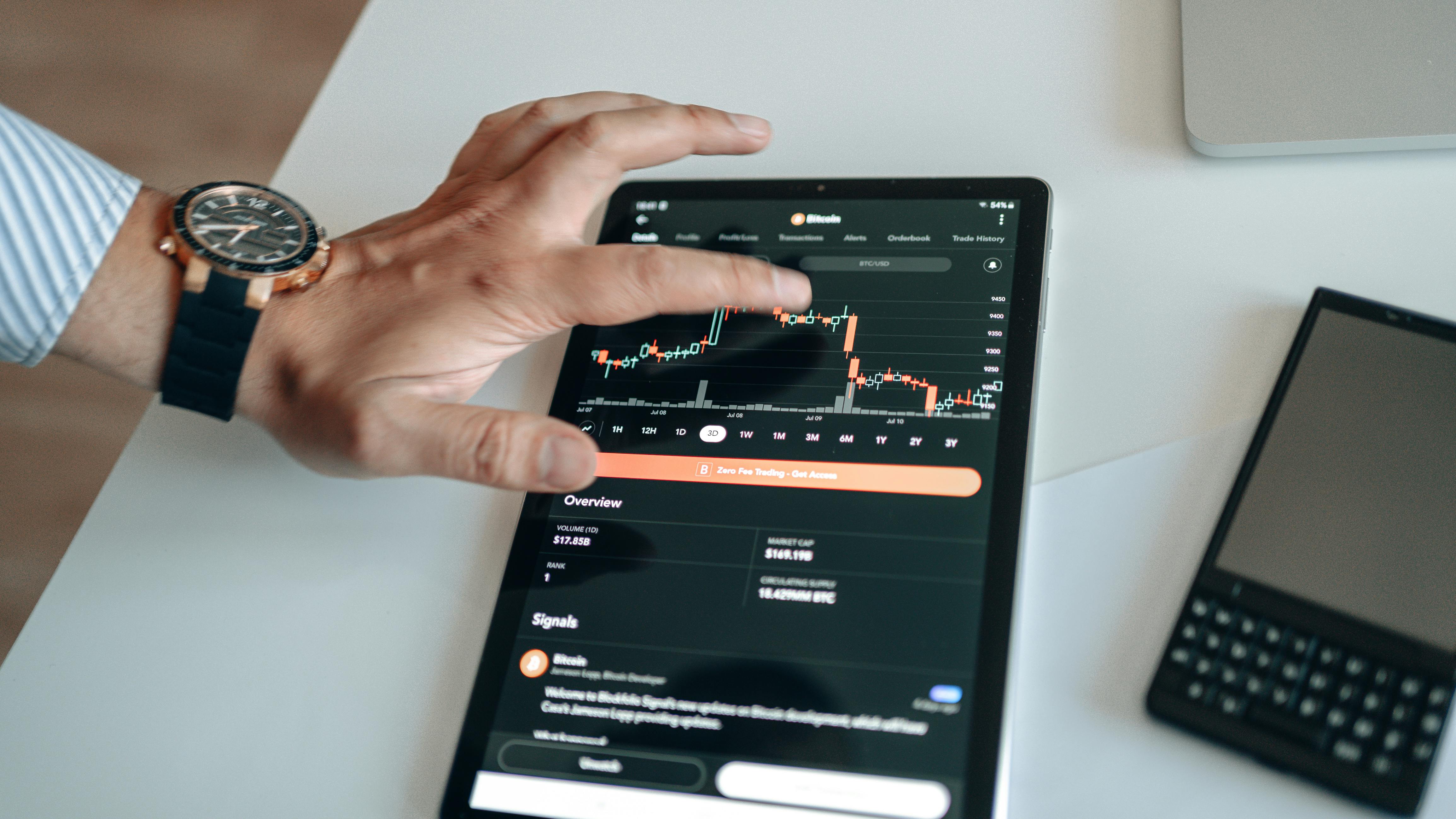
- Inventories fall below comfort levels. Stockpiles act like a shock absorber. When they shrink, every disruption matters more. The market becomes less forgiving of outages, maintenance delays, or weather events.
- Geopolitical risk raises replacement costs. If shipping lanes get risky, barrels do not disappear—they become slower and more expensive to move. Longer routing around Africa reduces flexibility and pushes up freight costs.
- Producers resist overexpansion. Exxon and Chevron, despite political pressure, may prioritize capital discipline, dividends, and buybacks over flooding the market with new supply. Investors should not be shocked. Public companies answer to cash flow, not slogans.
- Refinery capacity becomes a bottleneck. Crude supply is only part of the story. If refineries cannot process enough or if they prefer certain grades of crude, local product shortages can deepen even when global production looks adequate.
- Futures prices reprice fear. Traders do not need a physical shortage to bid crude higher. They only need confidence that the shortage is coming. That is why prices can leap before tankers are even late.
- Consumers cut demand. Eventually, higher prices destroy demand. People drive less, firms slow activity, and economies absorb “huge pain,” as traders like to say when they stop pretending the math is theoretical.
When I ran the numbers on past oil spikes, the pattern was boring in the useful way. Tight supply plus low inventories plus geopolitical friction almost always produces a price spike. The duration depends on whether producers respond, whether demand weakens, and whether governments release strategic reserves. For context, the U.S. Strategic Petroleum Reserve remains a policy tool, not a miracle cure, as described by the U.S. Department of Energy.
What matters for investors is timing. You do not need to predict the exact top or bottom. You need to understand the mechanism. Once the market believes spare capacity is thin, every barrel becomes more valuable. That is the whole story, minus the drama.

The biggest benefits of understanding oil markets
Understanding oil markets is not about becoming a day trader in a hard hat. It is about seeing where risk enters the economy and your portfolio. Frankly, a lot of financial advice ignores energy because it is inconvenient. Bad habit.
- You can spot inflation before it shows up everywhere. Oil often leads broader price trends. If crude surges, expect pressure on transport, food, and producer prices.
- You can stress-test your portfolio. Energy shocks punish companies with thin margins, weak pricing power, and heavy fuel exposure. They can also help producers, service firms, and some commodity-linked assets.
- You can judge policy more clearly. Officials love talking about growth and resilience, but energy constraints force trade-offs into the open. Cheap fuel is not a birthright; it is a temporary market condition.
- You can separate signal from noise. Not every headline matters. A one-day price jump is not the same as a tightening supply curve. The difference is stockpiles, freight, and forward prices.
- You can make better allocation decisions. If energy risk is elevated, a portfolio may need more cash flow quality, inflation exposure, or selective energy holdings rather than blind growth bets.
- You can think morally as well as financially. Energy is tied to labor, transport, food access, and household stability. Stewardship is not a soft extra; it is part of responsible capital allocation. Resources should serve people, not just paper returns.
Most investors overreact to the headline and underreact to the structure. The structure is where the money is. Does the market have spare capacity? Are inventories falling? Are shipping routes longer? Are refiners constrained? Those are the questions.
If you want a cleaner read on how oil pressure feeds into broader markets, compare it with the way other inflation drivers show up in rates and valuations. That is where a practical inflation investing guide would belong in a broader research library, because energy shocks do not stay in their lane.
How to analyze and respond to an oil surge
There is no magic formula. There is discipline.
- Check inventory trends first. Start with global and regional stockpiles. If inventories are already low, the market has less cushion and more panic potential.
- Separate crude supply from product supply. A world can have enough crude and still lack diesel or gasoline if refining or logistics are constrained.
- Watch freight routes and war risk. Shipping detours, insurance costs, and port delays often show up before physical shortages do.
- Read producer behavior carefully. Exxon, Chevron, and other majors may keep production steady or modestly higher, but they are not charity shops. If returns on capital look better than volume growth, they will choose returns.
- Track demand destruction. Rising prices eventually suppress consumption. Airline traffic, road fuel use, and industrial activity provide clues. If demand drops, the rally can stall.
- Map the impact on your portfolio. Check exposure to airlines, logistics, consumer discretionary names, and bond duration. Then compare that with energy producers, midstream operators, and inflation-sensitive assets.
- Prefer quality over speculation. A lot of traders love chasing the hot contract. Fine. But for most people, owning profitable businesses with real cash flow beats pretending to be a futures savant.
- Use position sizing, not bravado. If you want energy exposure, keep it limited and intentional. Commodity swings can cut both ways, and the tape is not sentimental.
I have seen too many portfolios built on confidence and no process. That is not investing; that is wishful thinking with ticker symbols. A sound response to oil volatility is to build resilience: diversified equities, quality bonds where appropriate, some inflation hedges, and enough liquidity to avoid forced selling.
If you need a more general framework on building a sturdy portfolio, a guide to diversification and asset allocation fits naturally here, because energy shocks expose weak construction fast.
Oil market vs. inflation hedges: which holds up better?
Oil is often treated as the obvious inflation hedge, but that is too neat by half. The truth is uglier and more useful. Oil can protect against certain inflation shocks, yet it can also become the shock. That means investors need to compare it with other hedges, not worship it.
| Feature | Oil Exposure | Gold | Broad Inflation-Protected Assets |
|---|
| Direct link to energy inflation | High | Low | Medium |
| Volatility | Very high | High | Moderate |
| Income generation | Usually low unless via producers | None | Varies |
| Sensitivity to geopolitics | Very high | Medium | Low to medium |
| Usefulness in a sudden supply shock | Strong | Moderate | Moderate |
| Risk of demand destruction | High | Lower | Lower |
| Best role in portfolio | Tactical hedge | Crisis diversifier | Long-term stability |
Here is the kicker: oil is not a clean hedge for most investors. It moves on supply panic, demand collapse, OPEC decisions, refinery bottlenecks, and political noise. That makes it useful, but not tidy. Gold has its own problems, of course, and inflation-protected securities can lag when the issue is a commodity shock rather than persistent inflation. None of these tools is perfect. Shocking, I know.
For investors who care about preservation, the best answer is usually a mix. Use energy equities for some upside to rising crude, Treasury Inflation-Protected Securities or similar instruments for inflation resilience, and a cash buffer so you are not forced to sell during a spike. That is simple, but simple works.
The comparison also matters for businesses. Companies with durable pricing power and efficient operations can absorb some energy shock, while weak firms get squeezed. That is why quality analysis matters more than slogan-driven sector rotation. Real stewardship means placing capital where it can bear fruit without ignoring risk or human cost.
Common mistakes to avoid
People make a mess of oil investing because they think it is a single-variable game. It is not. It is a stacked set of moving parts, and most of the easy advice is stale.
- Mistaking a headline spike for a durable trend. One geopolitical flare-up can lift prices for a few sessions. That does not automatically mean a long bull market. You need inventory data, demand trends, and production signals.
- Assuming high prices always help energy stocks. They often do, but not always. If the market expects a recession, the whole sector can get whacked even while crude stays elevated.
- Ignoring refining margins. A barrel of crude is not the same as a gallon of gasoline or diesel. Product spreads matter.
- Chasing producers without looking at capital discipline. A company can pump more and still destroy shareholder value. Production growth without returns is just expensive motion.
- Overlooking shipping and logistics. In a war or blockade scenario, transportation cost can matter as much as the oil itself.
- Using oil as a moral free-for-all. Some investors behave as if commodities are outside ethical judgment. They are not. Energy decisions affect workers, families, and access to affordable mobility. Human dignity does not vanish because a contract trades in New York.
Most guides tell you to “stay diversified,” which is true but lazy if left there. Diversification only helps if the pieces actually behave differently under stress. If everything in your portfolio depends on cheap energy, then you do not have diversification. You have camouflage.
Another mistake is treating producer politics as destiny. When Trump pressures companies like Exxon and Chevron to boost output, the market response depends on capital allocation, geology, and timing—not just speeches. Companies will do what preserves value over a cycle, not what sounds best on TV. That is not cynicism. It is basic finance.
Frequently asked questions
Why did oil fall back after surging to $126?
Oil often retreats after a sharp move when traders realize the market may have overestimated near-term scarcity or when demand fears start to outweigh supply fears. Profit-taking, inventory data, and expectations of weaker consumption can all pull prices back.
What does shrinking global stockpiles mean for prices?
Shrinking stockpiles mean the market has less buffer against disruptions. That usually raises price volatility and makes any outage, shipping delay, or refinery issue more powerful.
Do Exxon and Chevron have to increase production because of political pressure?
No. They can respond to economics, geology, shareholder demands, and capital discipline instead. Publicly traded oil firms generally do not expand just because politicians ask nicely—or loudly.
How do shipping disruptions around the Suez Canal affect oil?
They can delay deliveries, raise freight and insurance costs, and tighten effective supply. Even if total global production does not change, the market can still price in scarcity because the logistics got uglier.
Final thought
Oil is a brutal teacher. It reminds markets that supply chains are physical, not theoretical, and that geopolitics can turn a comfortable forecast into a very expensive mistake. The recent run toward $126 was not just noise; it was a warning that spare capacity, inventory cushions, and transport routes all matter at once.
For investors, the lesson is not to panic or to worship commodities like some financial superstition. The lesson is to respect reality. Energy prices shape inflation, earnings, rates, and household budgets, which means they belong in any serious portfolio discussion. I have seen enough market cycles to know that the people who ignore oil usually end up paying for that choice later, one way or another.
The sensible response is boring: watch stockpiles, watch shipping, watch producer discipline, and keep your portfolio built for resilience rather than bravado. That is what prudence looks like in finance. And prudence, frankly, beats cleverness when the market starts grinding.