Morgan Stanley’s profit jump tells you something simple: when war risk rises, trading desks often feast. That does not mean investors should cheer. It means...
Morgan Stanley Profits Jump 30%: What the Trading Boom Means for Markets and Investors
Morgan Stanley’s profit jump tells you something simple: when war risk rises, trading desks often feast. That does not mean investors should cheer. It means volatility, liquidity, and risk management matter more than the usual cheerleading. The real lesson is that markets price fear quickly, but portfolios can still get hurt if you confuse volume with safety.
Key Takeaways
- War-driven volatility can boost bank trading revenue, but it also signals stress in the market.
- Trading desks, not deposit growth alone, often benefit most when rates, currencies, and bonds whip around.
- Investors should focus on asset allocation, diversification, and risk management, not headlines.
- Banks with strong capital, disciplined costs, and broad trading franchises tend to hold up better.
- For individual investors, the goal is not to predict every shock. It is to build a portfolio that survives them.
What is a war-driven trading boom?
A war-driven trading boom is what happens when geopolitical shock pushes prices around hard enough to fatten bank revenues from equities, fixed income, currencies, and commodities. Morgan Stanley’s 30% profit surge is a clean example: the firm did not become smarter overnight, and the market did not become healthier. It simply became more volatile, and volatility is the raw material of a trading desk.
I’ve looked at enough earnings reports to know the routine. Markets like to dress this up as “excellent execution,” which is a polite way of saying traders had a lot of movement to work with. Frankly, that is not the same as durable wealth creation. A bank can print strong quarterly results while the broader system remains uneasy, and investors ought to keep that distinction in mind.
The mechanism is plain. When conflict raises uncertainty, institutions rebalance fast, hedge positions more aggressively, and move capital across regions and asset classes. That boosts spreads and trading volumes. Sometimes it also lifts demand for safe havens like U.S. Treasuries, gold, or the dollar. If you want the dry version, read how the IMF frames financial stability risks in volatile conditions through its Global Financial Stability Report and how the Federal Reserve watches market functioning during shocks.
The kicker is this: a profit jump in a bank can be a stress signal, not a comfort signal. If war risk is creating a trading bonanza, that means capital is scrambling. It also means long-term investors should pay more attention to liquidity, counterparty exposure, and portfolio concentration. You can make money in disorder, sure. Should you plan your retirement around it? Absolutely not.
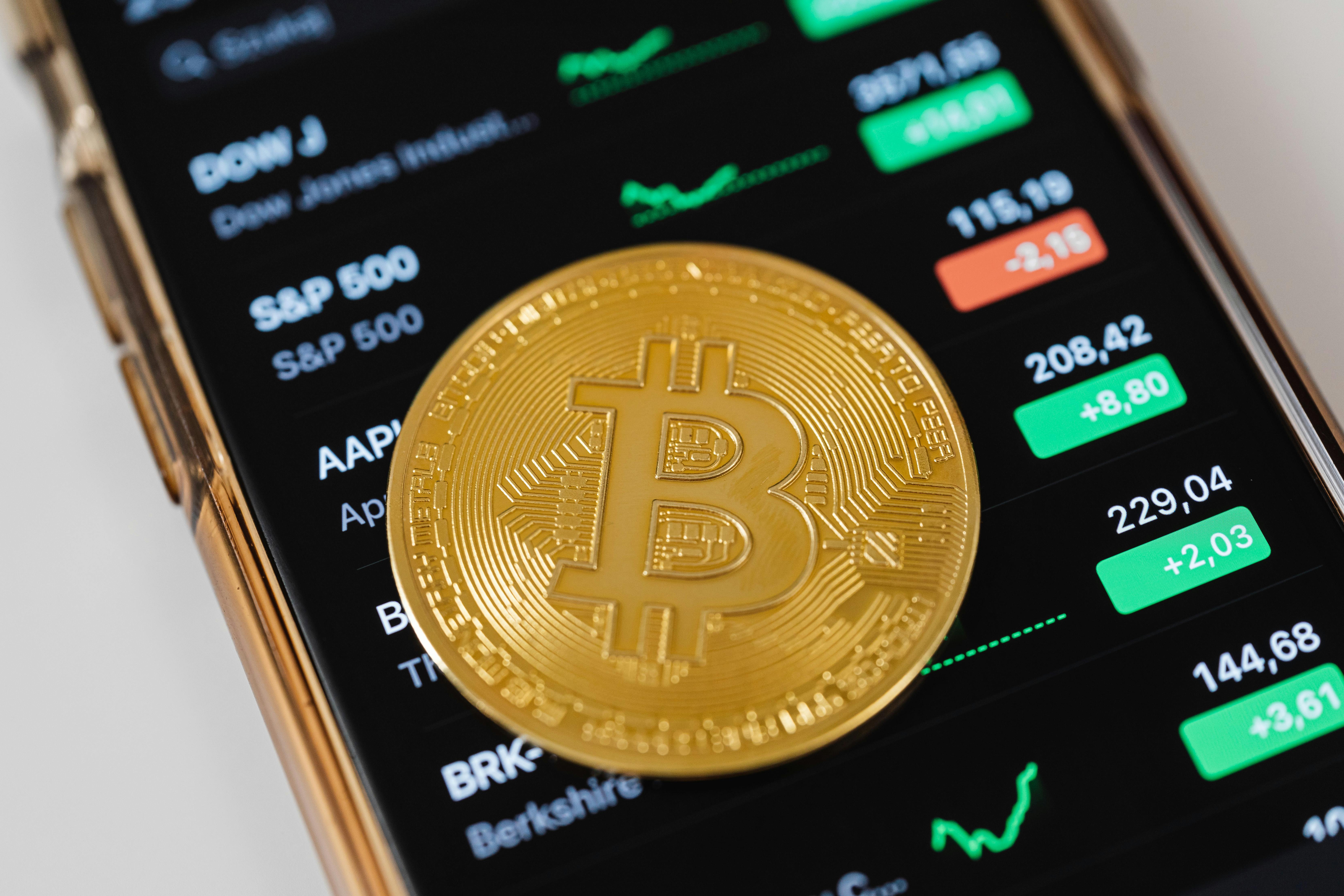
Core benefits and why it matters
The obvious benefit is higher earnings for banks with large trading operations. But that is the superficial answer, and superficial answers are cheap. The deeper value is that a strong quarter from a bank like Morgan Stanley reveals how fast the market reprices risk when geopolitics get ugly. That matters for investors because it affects bond yields, currency moves, sector rotations, and even the cost of capital for companies.
Here’s the kicker.
- Higher trading revenue can support bank valuations, especially when investment banking is weak.
- Diverse business lines help banks offset lending pressure, which matters when credit growth slows.
- Risk management discipline becomes visible in crises, and institutions that hedge well usually suffer fewer ugly surprises later.
- Market volatility creates chances for active managers, though most still underperform after fees.
- Safe-haven demand can lift high-quality sovereign debt, gold, and the dollar when fear spreads.
- Price discovery becomes sharper, which helps serious investors separate noise from real information.
But let’s be real: the benefits do not fall evenly. A trading boom helps shareholders of the banks first, then brokers, market makers, and some hedge funds. It does not help households trying to refinance a mortgage or small businesses watching input costs jump. War also scrambles supply chains, insurance pricing, shipping rates, and commodity markets. That is not a neat little bonus cycle. It is a reminder that finance sits inside real life, where workers, families, and factories absorb the consequences.
The common advice is to “buy volatility.” Sometimes that works. Often it is just a glossy slogan for taking unnecessary risk. For most investors, the proper response is to own resilient businesses, keep a sane cash buffer, and avoid making a grand moral or financial theory out of one earnings print. When I analyze portfolios through a shock cycle, the ones that hold up best usually have boring traits: low leverage, reasonable valuations, and enough diversification to prevent one bad headline from wrecking the whole thing.
That is not sexy. It is effective.
You can also learn from the broader bank sector. The Bank of England Financial Stability reports repeatedly stress resilience, not bravado, because stress periods expose weak funding models quickly. Meanwhile, the European Central Bank Financial Stability Review shows how geopolitical shocks feed through bond markets, bank funding, and corporate borrowing costs. Markets are connected whether people like it or not.

Step-by-step guide to investing through market shocks
You do not need psychic powers.
You need a process, and most investors skip that part because process sounds dull compared with predictions, yet the dull stuff usually keeps you alive when markets get choppy.
- Start with your exposure map. List every major holding, then group it by asset class, region, sector, and currency. I do this first because people often think they own diversification when they really own five versions of the same bet. If energy, defense, and big U.S. banks dominate your portfolio, you do not have broad balance. You have clustered risk.
- Check liquidity. Ask how fast you could sell each position without taking a hit. Thinly traded small caps, leveraged products, and obscure credit funds can look fine until they are not. During a war scare, liquidity can vanish faster than polite conversation at a family dinner. That is why cash and short-duration bonds still matter.
- Review your bond duration. Longer duration means bigger price swings when rates move. If volatility is rising because of geopolitics, you need to know whether your fixed-income sleeve can absorb that. I like using a mix of short-term Treasuries, high-quality corporates, and a measured slice of inflation protection. Not because it is fashionable, but because it works.
- Rebalance with discipline. Most investors wait until pain forces action. Bad habit. Set bands, such as rebalancing when a position drifts 20% beyond target. That prevents winners from becoming oversized and losers from quietly taking over. Rebalancing is not glamorous. It is housekeeping, which is often how stewardship works in real life.
- Stress-test the portfolio. Run scenarios: oil spikes, equities drop 15%, credit spreads widen, or the dollar surges. I have seen portfolios that looked diversified on paper but cracked under one crude scenario. A decent stress test reveals what your portfolio actually is, not what you hoped it was.
- Keep some dry powder. This does not mean hoarding cash forever. It means having enough liquidity to buy quality assets when others are forced sellers. Frankly, cash is boring until everything else is expensive or broken.
- Favor quality over drama. Strong balance sheets, stable free cash flow, and sensible valuations beat story stocks in turbulent times. Everyone loves a big narrative. Markets, however, care more about earnings durability than your opinion.
- Watch the second-order effects. A war may not hit your portfolio directly, but it can push up shipping costs, fertiliser prices, insurance premiums, and industrial input costs. Those effects show up later in margins and earnings revisions. If you only react to the first headline, you are already behind.
When I run this process across real portfolios, the biggest flaw is concentration disguised as conviction. People think they are disciplined when they are really stubborn. There is a difference.
For a broader framework on staying invested while controlling risk, see the asset allocation basics from Schwab and the FINRA guide to successful investing. Both make a boring but necessary point: if you do not understand your holdings, the market will teach you, and it is rarely gentle.
Comparison table: trading-heavy banks vs traditional lenders
The comparison matters.
When war risk lifts volatility, trading-heavy banks often outperform plain-vanilla lenders, but the reverse can happen once markets calm and lending margins matter more. Here is the practical split.
| Feature | Trading-heavy banks like Morgan Stanley | Traditional retail/commercial lenders |
|---|
| Main profit driver | Trading, markets, wealth management, advisory fees | Net interest income from loans and deposits |
| Benefit in crises | Often stronger when volatility spikes | Mixed; loan demand may slow, credit risk may rise |
| Exposure to market swings | High | Lower |
| Revenue stability | Better if wealth management is strong | Often steadier, but tied to rate cycles |
| Capital market sensitivity | High | Moderate |
| Typical investor appeal | Higher upside during market shocks | More defensive in calm periods |
| Key risk | Trading revenue can fade quickly | Credit losses and margin compression |
| Best fit for | Investors seeking market-linked earnings leverage | Investors seeking simpler, rate-driven banking exposure |
The table tells the truth better than the talking heads do. Trading-heavy banks can look fantastic during turbulence, but those gains are not guaranteed to repeat. Traditional lenders, meanwhile, may seem dull and underwhelming, yet they often provide more predictable earnings across a full cycle. Which is better? Depends on your objective.
If you want to understand how bank capital and funding resilience shape those outcomes, the Bank for International Settlements publications are useful, especially on liquidity and market stress. The lesson is plain: the business mix matters more than the headline profit number.
Investors should also remember the moral side of capital allocation. Money is not just a scoreboard. It directs labor, credit, and opportunity. In that sense, prudent investing is a form of stewardship. Careless speculation is not.
Common mistakes to avoid
Most mistakes are old and boring.
That is the problem, because people keep making them anyway, especially when a flashy earnings report tempts them into thinking they’ve found a pattern that will last forever.
- Chasing one-quarter results. A 30% profit jump is good, but one quarter is not a thesis. Banks can swing hard from trading conditions, underwriting fees, and expense timing.
- Confusing volatility with opportunity. Yes, volatility creates trades. It also creates losses, forced selling, and bad decision-making. Opportunity and danger often arrive in the same coat.
- Ignoring balance sheet quality. I have seen investors obsess over revenue growth while ignoring leverage, funding mix, and capital ratios. That is backward.
- Overweighting sectors that just ran. If banks, defense, or energy are hot because of war-related flows, piling in late can leave you holding the bag when prices mean-revert.
- Believing headlines about “safe” assets without checking duration and credit risk. A bond is not safe just because someone called it safe on television.
- Skipping ethical judgment entirely. This part gets ignored in finance blogs, which is silly. If your capital has no concern for justice or the common good, you end up treating people like variables. That is a bad habit, financially and morally.
The truth is, a lot of market advice is lazy. “Buy the dip.” “Rotate into defense.” “Sell everything and hide in cash.” Such lines sound crisp because they are incomplete. Real portfolio management means matching assets to goals, time horizon, and risk tolerance, then adjusting as facts change. Not as emotions change. There’s the rub.
One more thing: investors often underrate the importance of fees and turnover. In volatile markets, active trading can feel smart, but friction compounds. Commissions may be low, yet taxes, spreads, and bad timing still bite. That is why most people are better off with a written plan and patient implementation than with constant headline reactions.
For broader market context, the SEC’s investor resources remain useful, especially when emotions run high. And if you want a plain-English reminder of why diversification matters, the Investor.gov diversification guide is still worth the few minutes.
Frequently asked questions
Why do banks like Morgan Stanley profit from war-related volatility?
Because trading volume, bid-ask spreads, hedging demand, and client rebalancing usually rise when geopolitics get messy. That boosts revenue for market-making and trading desks. It is not magic. It is plumbing.
Should investors buy bank stocks when trading revenue surges?
Sometimes, but not blindly. One strong quarter does not remove credit risk, funding risk, or valuation risk. I would rather examine capital strength, wealth management earnings, expense discipline, and price relative to normalized earnings. Otherwise you are just chasing the tape.
Is volatility good or bad for long-term investors?
Both. Short bursts of volatility can create better entry points, but they can also destroy weak portfolios, especially those with leverage or narrow concentration. The answer depends on preparation, not prediction.
How should I protect my portfolio during geopolitical shocks?
Keep diversification real, not decorative. Hold quality fixed income, avoid excessive leverage, rebalance on a schedule, and maintain enough liquidity to avoid forced sales. If you need a one-word answer, it is resilience.
Final thought
Morgan Stanley’s profit jump is useful because it strips away the fiction that markets always reward calm analysis alone.
They do not.
When fear rises, trading desks can print money, while ordinary investors face wider spreads, noisier prices, and more temptation to act foolishly. That does not mean the answer is panic or cynicism. It means capital should be managed with discipline, humility, and a proper sense that resources are entrusted, not owned in some absolute sense divorced from responsibility.
I have no patience for the fantasy that finance is just a scoreboard. It is closer to a stewardship test. Good investing respects risk, keeps human dignity in view, and refuses to confuse short-term profit with wisdom. That may sound old-fashioned. Fine. Old-fashioned is often another word for proven.
If you build a portfolio that can handle war headlines, rate shocks, and the usual market nonsense, you are already ahead of most people. That is not a glamorous edge. It is a real one.
{"@context":"https://schema.org","@type":"FAQPage","mainEntity":[{"@type":"Question","name":"Why do banks like Morgan Stanley profit from war-related volatility?","acceptedAnswer":{"@type":"Answer","text":"Because trading volume, bid-ask spreads, hedging demand, and client rebalancing usually rise when geopolitics get messy. That boosts revenue for market-making and trading desks."}},{"@type":"Question","name":"Should investors buy bank stocks when trading revenue surges?","acceptedAnswer":{"@type":"Answer","text":"Not blindly. One strong quarter does not remove credit risk, funding risk, or valuation risk. Investors should examine capital strength, recurring earnings, expense discipline, and price relative to normalized earnings."}},{"@type":"Question","name":"Is volatility good or bad for long-term investors?","acceptedAnswer":{"@type":"Answer","text":"Both. Short bursts of volatility can create better entry points, but they can also hurt weak portfolios, especially those with leverage or narrow concentration. The outcome depends on preparation, not prediction."}},{"type":"Question","name":"How should I protect my portfolio during geopolitical shocks?","acceptedAnswer":{"@type":"Answer","text":"Use real diversification, hold quality fixed income, avoid excessive leverage, rebalance on a schedule, and keep enough liquidity to avoid forced sales."}}]}