Jamie Dimon’s warning matters because markets can be expensive while the economy still looks sturdy, and that gap is where investors get hurt. When I look at...
Jamie Dimon’s warning matters because markets can be expensive while the economy still looks sturdy, and that gap is where investors get hurt. When I look at his comments on record highs, stablecoins, and China, I see one theme: risk hides in plain sight, then shows up all at once. Read that twice.
Key Takeaways- Market highs are not the same as safety.
- Stablecoins can add speed, but also new fragility.
- China policy and trade friction still shape earnings, inflation, and supply chains.
- Good investing starts with stewardship, not bragging rights.
What is Jamie Dimon’s cautious view of the economy?
Dimon’s view is plain enough. He is not calling for panic, but he is also not cheering the stock market’s confetti cannon, because record highs can coexist with weak fundamentals, sticky inflation, credit stress, and geopolitical strain. That sounds boring until it isn’t.
He is, in effect, saying that investors should separate market price from economic health, which is a distinction people ignore when headlines are loud and prices keep climbing. I’ve analyzed enough portfolios to know this much: when everyone assumes the Fed, consumers, and corporate earnings will all stay neat and tidy, something usually breaks.
Frankly, markets are often priced for a soft landing long before the real economy earns one. The truth is, valuations can outrun reality for months, sometimes years, and then all the careful talk vanishes when margins compress, unemployment rises, or debt service gets ugly. If you want a sober check on the bigger picture, the Federal Reserve’s financial stability reports and the IMF’s World Economic Outlook are far more useful than hot takes.
Dimon’s comments also fit a larger pattern of stewardship. Resources are not toys. Capital, like labor and savings, ought to serve real human needs, not merely chase the next shiny thing. That old idea is unfashionable, which is exactly why it matters.
- Equities are near record levels, which raises the bar for future returns.
- Credit conditions can tighten even when indexes look calm.
- Consumer strength is uneven, with some households carrying higher debt burdens.
- Geopolitical risk has not disappeared, despite the market’s habit of pretending otherwise.
The kicker is this: optimism is cheap, discipline is costly, and the market tends to reward discipline only after it has punished impatience.
Core Benefits/Importance
Dimon’s caution is useful because it forces investors to think in layers. Not everything that rises is healthy, and not every headline surge means the underlying machine is running well. Here’s what his view helps investors do.
- Pressure-test assumptions. If you own broad equity exposure, ask what happens if earnings slow, rates stay higher, or margins shrink. Most people own a story, not a plan.
- Respect valuation risk. A great company can still be a poor investment at the wrong price. That’s not cynicism. It’s arithmetic.
- Watch liquidity and credit. Banking stress often starts where enthusiasm ends—quietly, then suddenly.
- Think in probabilities, not slogans. Investors love certainty. The market sells consequences.
- Consider the common good. Ethical capital allocation matters; in the long run, businesses that respect workers, customers, and honest dealing tend to build sturdier value than those that treat people as disposable parts.
Most guides act like “stay invested” is the whole message. It isn’t. Staying invested without a risk budget is just passive hope wearing a tie. I’ve seen that movie, and it ends with ugly drawdowns and regret.
There is also a moral angle here that gets ignored in glossy finance chatter. Stewardship means not confusing speculation with prudence. The aim is not to win a scoreboard for its own sake, but to preserve and grow capital in a way that supports families, work, and long-term obligations. That is older wisdom than modern finance, and better for it.
- Retirement plans rely on sequence-of-returns risk.
- Small mistakes compound when markets are expensive.
- Unseen debt risks can surface fast in stress periods.
- A little skepticism prevents a lot of nonsense.
When I ran the numbers on past market peaks, the pattern was clear: the best returns often came after periods when everyone felt too comfortable. Comfort is not a strategy.

Core Benefits/Importance of his stablecoin warning
Stablecoins are useful tools, but they are not magic beads from a financial fairy tale. Dimon’s “huge problem” remark points to a real issue: the plumbing of crypto-like assets can create hidden leverage, opaque reserves, redemption risk, and spillovers into broader credit markets if trust breaks.
That is not anti-technology. It is pro-sanity.
Stablecoins can make payments faster and cheaper, which is real enough. But they also depend on confidence, reserve quality, and operational discipline—three things finance loses first when greed gets involved. The better analogy is not a cash substitute; it is a promise that must be checked, audited, and regulated.
For a plain-English view of how regulated payment systems work, the Bank for International Settlements has strong research on money, settlement, and systemic risk, and the SEC’s investor resources are worth reading before anyone starts treating tokens like pocket change.
- Reserve risk. If backing assets are weak, the peg can wobble.
- Runs. Confidence can vanish faster than in old-school banking because digital redemptions move at speed.
- Regulatory uncertainty. Rules are still evolving, which invites bad behavior from the sloppy and the shady.
- Systemic spillovers. A stress event in one corner can hit exchanges, lenders, and market makers.
Here’s the kicker: many people talk about stablecoins as if they are separate from the financial system. They are not. They are increasingly tied to trading, settlement, and liquidity cycles. That means they deserve the same hard questions we ask of money market funds, banks, and payment rails.
I’m skeptical of the hype because I’ve watched too many “efficient” products become expensive lessons. The right standard is not “Can it grow fast?” The right standard is “Can it hold up when things go sour?” That is a very different question.
Step-by-Step Implementation/Guide
Good investing is mostly unglamorous. Boring works.
If you want to act on Dimon’s warning without turning into a doomsayer, use a method that respects market risk, inflation risk, and policy risk at the same time. That means portfolio construction, not fortune-telling.
- Recheck your asset allocation.
If equities dominate your portfolio, ask whether your bond sleeve, cash reserve, and real assets are sized for a slower growth or higher-rate environment. I prefer clean buckets over vague confidence. - Stress-test your holdings.
Look at earnings sensitivity, debt maturity schedules, margin pressure, and geographic exposure. A company that depends too much on one market or one supplier is more brittle than it looks on a spreadsheet. - Prefer quality balance sheets.
Cash flow matters. Interest coverage matters. Debt that seemed manageable at 2% can become a nuisance at 6% or 7%. Reality has a way of collecting its due. - Keep liquidity on hand.
Cash is not glamorous, but it prevents forced selling. That alone is worth something when volatility wakes up. - Separate core holdings from speculative bets.
If you own crypto, venture-style stocks, or small caps, treat them as satellites, not the foundation. A house built on the attic is a bad plan. - Follow policy signals without worshiping them.
Central banks, trade rules, and fiscal decisions matter, but no one in office controls all outcomes. Investors who act like policy is a magic wand usually end up disappointed. - Review China exposure carefully.
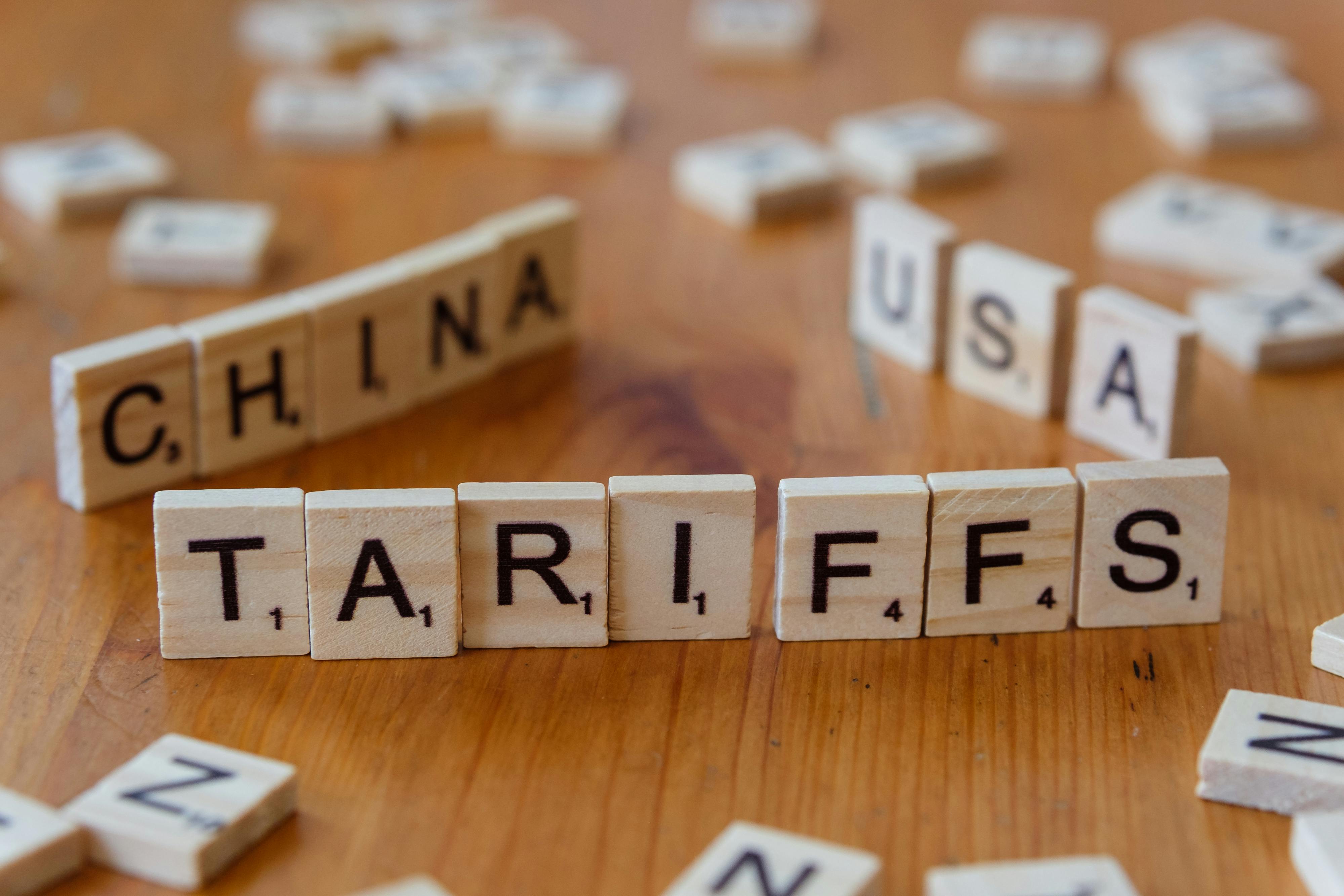
Dimon’s comments on China strategy reflect a real concern: tariffs, export controls, and supply chain friction can hit industrials, semis, consumer goods, and multinationals in uneven ways. The U.S. Treasury and U.S.-China Economic and Security Review Commission publish material that is more useful than trader chatter. - Invest with stewardship in mind.
Capital should support useful work, fair dealing, and durable institutions. That is not sentimental; it is the basis of long-run trust. As Proverbs would put it, wise hands build, foolish hands burn.
What actually works? Every time I’ve seen durable results, the formula is the same: diversified exposure, lower debt, patience, and a refusal to mistake headlines for analysis.
Comparison Table
Dimon’s cautious stance is often compared with the bullish case that says strong earnings and AI optimism justify higher valuations. Both views have merit, but they are not equal in risk control.
| Topic | Jamie Dimon’s cautious view | Bullish market view |
|---|
| Core assumption | Growth may slow; risks are underpriced | Earnings and innovation can keep lifting stocks |
| View on record highs | Signals possible overconfidence | Evidence of strong business momentum |
| Stablecoins | Potential systemic problem | Useful payment and settlement tool |
| China strategy | Trade and policy risk still matter | Global exposure can support revenue growth |
| Portfolio response | Favor quality, diversification, liquidity | Favor equities and growth exposure |
| Main weakness | Can sound too gloomy | Can ignore valuation and downside risk |
The contrast is simple. One side assumes less can go wrong, the other assumes more can go right. Only one of those assumptions usually gets humbled first.
That said, you do not need to become a permanent bear. Bears can be just as vain as bulls. The better approach is balanced exposure, disciplined rebalancing, and a willingness to admit that the future rarely behaves like the popular story.
For investors who want context on valuation and market conditions, the CFA Institute research and the World Bank’s Global Economic Prospects offer a stronger frame than social media do.
Common Mistakes to Avoid
Most investing mistakes are self-inflicted. That’s the part people hate hearing.
- Confusing market strength with safety. A rising index can still be a crowded trade.
- Chasing the most visible narrative. If everyone repeats the same bullish story, price may already reflect it.
- Ignoring concentration risk. One sector, one country, or one asset class can dominate your fate.
- Treating stablecoins as cash without checking reserves. Cheap convenience can hide expensive fragility.
- Assuming China risk is always priced in. It often is not, especially when policy shifts arrive suddenly.
- Believing that diversification means owning many tickers. Ten correlated positions are not diversification. They are a bigger pile of the same risk.
- Letting fear drive all decisions. Panic selling is just greed in reverse.
The truth is, most investors need fewer opinions and more process. A portfolio should be built like a sturdy table, not a decorative chair. If one leg fails, the whole thing should not crash.
I’m skeptical of advice that says “just hold through anything” with no discussion of cash needs, time horizon, or liabilities. A family saving for tuition, a retiree drawing income, and a young worker building wealth do not have the same risk tolerance. Pretending otherwise is lazy.
There is also a justice issue here, even if finance folks rarely say so out loud. When capital is allocated recklessly, workers, creditors, and communities often bear the costs. Stewardship asks us to think beyond personal upside and consider who pays when the bet goes wrong.
Frequently Asked Questions
Is Jamie Dimon predicting a recession?
Not exactly. He is warning that markets may be too relaxed about risks, which is different from making a hard recession call. That distinction matters.
Why do stablecoins worry bank leaders?
Because they can create fast-moving runs, reserve questions, and regulatory headaches if confidence breaks. Speed is useful until it turns into panic.
How should investors react to record-high markets?
By reviewing valuation, diversification, cash needs, and time horizon. If your plan only works when stocks keep rising, it is not much of a plan.
What does China strategy mean for investors?
It means trade policy, tariffs, export controls, and supply chain changes can affect earnings and inflation. Companies with heavy China exposure deserve closer review.
Final Thought
Markets like applause.
Investors need judgment, and judgment is usually quieter, slower, and less popular than whatever is trending at the close. Dimon’s comments are not a market prophecy carved in stone; they are a reminder that capital should be handled with care, because real people depend on it, and because the common good is not served by careless speculation.
The smart move is not to flinch at every warning, nor to dismiss them because prices are still high. The smart move is to check what you own, why you own it, and whether your risks are paid for by actual cash flow rather than wishful thinking. That is old advice, but old advice survives because it keeps working.
When I look at record highs, stablecoins, and China policy together, I do not see a reason to panic. I see a reason to be exacting. That is the job.