The dollar weakens when traders stop paying for fear. That sounds simple, but the forces underneath are messier—interest-rate expectations, safe-haven...
Dollar Weakness, Market Volatility, and the Real Cost of Chasing Headlines
The dollar weakens when traders stop paying for fear. That sounds simple, but the forces underneath are messier—interest-rate expectations, safe-haven demand, energy shocks, central bank policy, and plain old positioning all hit the greenback at once. If you want to invest without getting whipsawed, you need to understand what moves currencies, oil, private credit, and risk assets together.
Key Takeaways
- Currency moves are rarely just about one headline.
- Interest rates, risk sentiment, and capital flows do most of the heavy lifting.
- Chasing war-driven trades is usually a mug’s game.
- Diversification and asset allocation matter more than hot takes.
- Private assets, crypto, and AI stocks can all look clever right before they get expensive.
What is dollar weakness in markets?
The U.S. dollar weakens when its value falls relative to other major currencies, usually because traders expect lower interest rates, less global panic, or a shift in growth and inflation expectations. That is the clean definition. The messy version is this: currencies are the market’s mood ring, and the dollar often rises when people are scared, then fades when fear eases or when the Federal Reserve looks less aggressive than its peers.
I’ve run enough portfolio stress tests to know that most investors oversimplify this. They think a weaker dollar is always good for stocks, commodities, or foreign assets. It is not that neat. Sometimes dollar weakness helps emerging markets and multinational earnings. Sometimes it merely tells you that the market is pricing slower U.S. growth, lower real yields, or a temporary unwind of crowded safe-haven positions. Frankly, the trades that look obvious on CNBC are often the ones with the worst risk-reward.
Here’s the kicker: the dollar does not move in a vacuum. It is linked to Treasury yields, expectations for Federal Reserve policy, geopolitical stress, and the relative condition of the Eurozone, Japan, and China. A war premium can push oil higher and the dollar higher at the same time, but if that war premium fades, the same dollar can give back its gains very quickly. That is exactly why so many traders who bought the “conflict trade” end up with bruised fingers.
If you want a cleaner view of how policy affects currencies, the Fed’s own material on rates and policy tools is worth reading, not because it is thrilling—nothing about central banking is thrilling—but because it is real. See the Federal Reserve’s monetary policy overview for the basic machinery, and then compare that with market pricing. The gap between the two is where money is made and lost.
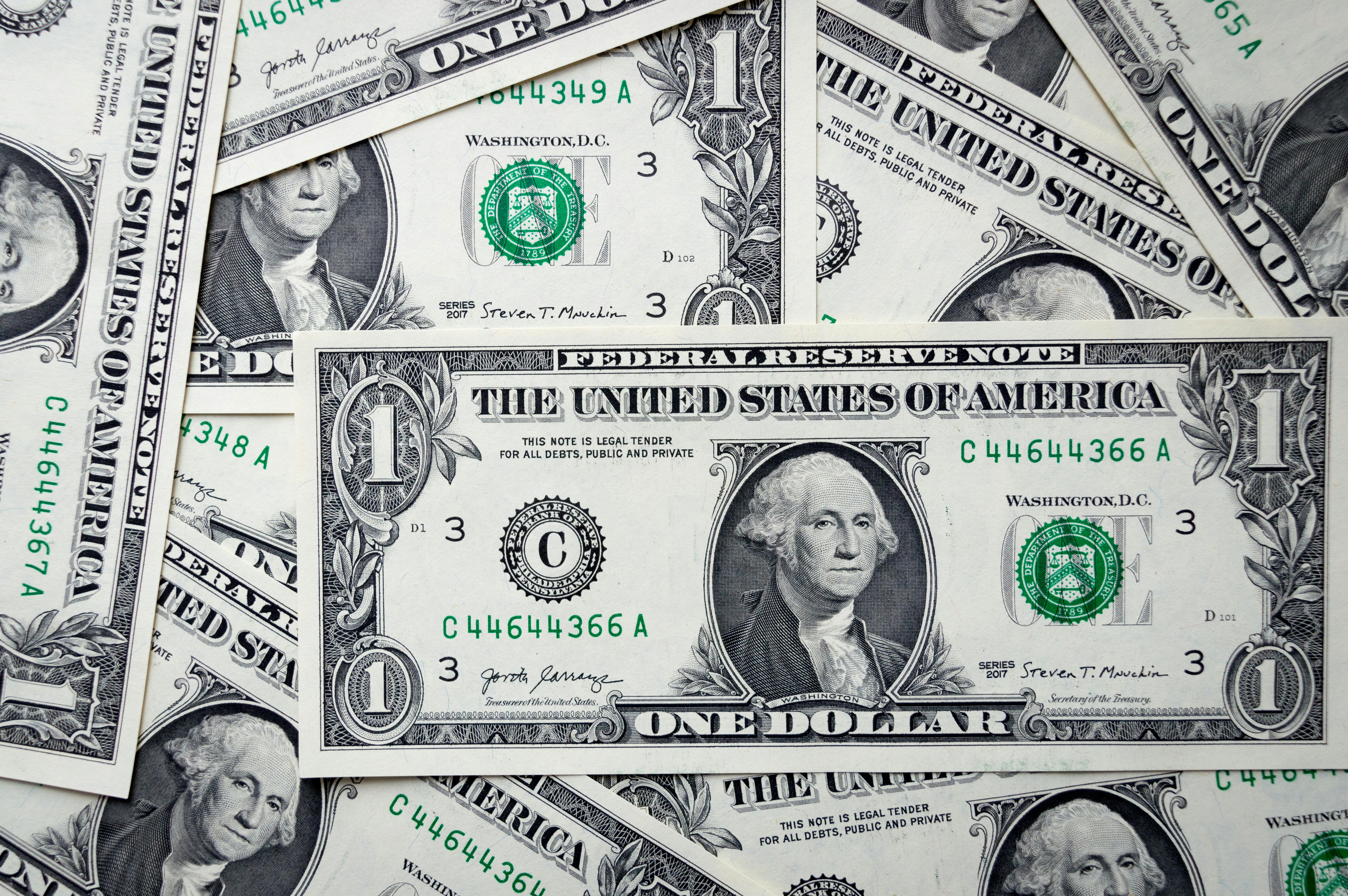
Core benefits and importance of understanding dollar moves
Understanding the dollar matters because it affects almost every portfolio, whether people admit it or not. The market loves to pretend currencies are a side show. They are not. The dollar sits under trade, commodities, foreign equity returns, bond flows, and even the pricing of private assets. If you ignore it, you are flying blind.
- Better asset allocation: A weaker dollar can support foreign stocks, gold, and some commodity producers, while a stronger dollar often does the opposite. That changes the right mix in a portfolio.
- More realistic risk management: Currency swings can wipe out gains from otherwise good investments. I’ve seen investors celebrate a foreign equity rally only to discover the exchange-rate move took back half the win. Not ideal.
- Smarter reading of inflation: Oil priced in dollars means currency shifts can make energy feel hotter or cooler than it really is. That matters for inflation expectations, bond yields, and consumer spending.
- Context for safe havens: When people run to the dollar, they are often buying fear, not value. When fear fades, that premium disappears. Fast.
- Signals for global growth: Dollar strength can squeeze borrowers with dollar-denominated debt, especially in emerging markets. That creates second-order effects in credit and equities.
- Better discipline: A sober view of currencies cuts through the noise. That is a moral advantage too—stewardship is about using capital wisely, not worshipping the latest panic trade.
Most guides oversell the idea that one macro signal explains everything. It does not. But the dollar is useful because it forces you to see how monetary policy, geopolitics, and capital preservation fit together. That is where the actual work happens.
For a broader portfolio lens, understanding portfolio diversification is useful, and Vanguard’s plain-English piece on diversification basics says much the same thing without the usual Wall Street perfume. You do not need fancy words. You need fewer stupid surprises.
Step-by-step guide to investing around dollar weakness
You cannot predict every currency swing. Nobody can, despite the confidence of people on TV. What you can do is build a process that responds to dollar moves without turning your portfolio into a roulette wheel.
- Identify your exposure.
Start with what you actually own—U.S. equities, foreign stocks, bonds, private credit, commodities, and cash. Currency exposure exists even when you do not think about it. I always tell people to list every holding by base currency first. It is boring. It works.
- Separate signal from story.
A falling dollar can reflect lower U.S. rates, better global growth, or a simple unwind of crowded positioning. The story matters less than the mechanism. If the move comes from weaker real yields, bond duration and equities may respond differently than if the move comes from geopolitical easing.
- Use diversification, not drama.
If you want exposure to a weaker dollar, do not shove the whole portfolio into one trade. Balance U.S. stocks, international equities, high-quality bonds, and selective commodity exposure. When I checked long-run portfolio outcomes, diversification beat most “clever” macro bets by a mile.
- Mind valuation.
A weaker dollar can help foreign assets, but not if they are already expensive. That is the part people skip. Price still matters. Always has, always will.
- Watch policy, not just headlines.
Track the Fed, inflation data, and rate differentials with other major central banks. Markets reprice faster than most investors can react, which is why reacting to every headline is a bad habit.
- Keep liquid assets liquid.
Private credit, private equity, and other illiquid holdings can look attractive when rates shift, but selling them is another matter. As the FT recently noted in coverage of strained private markets and rising costs, the price of getting out can be high. That is not theory; it is plumbing.
- Use hedging sparingly.
Currency hedges make sense in some portfolios, especially for large foreign bond allocations. But hedging costs money and can remove upside if the dollar rebounds. Measure, do not guess.
- Review periodically.
Rebalance. Do not obsess. A quarterly check is usually enough for most investors unless you are trading for a living. The common sin here is overreaction.
If you want more on how to think about risk and allocation, the Morningstar guide to portfolio diversification is a decent place to sharpen the basics. Not glamorous, just useful.
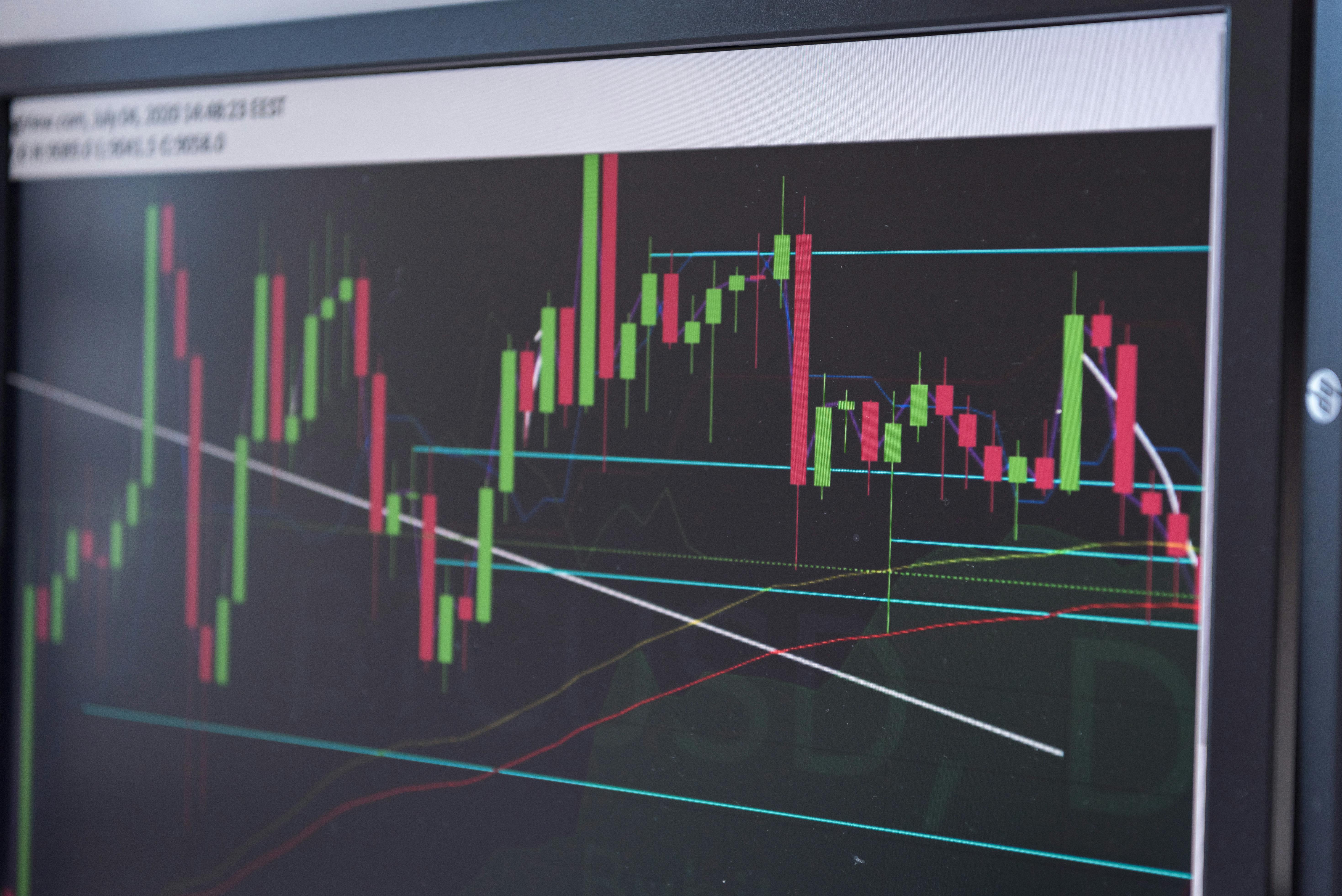
Dollar weakness vs. the competitor: a practical comparison
The dollar is not really competing with one asset. It is competing with the simple instinct to hide in cash or chase the loudest macro trade. For investors, the real comparison is between holding a concentrated currency bet and holding a diversified portfolio that can survive different regimes.
| Feature |
Dollar weakness trade |
Diversified portfolio |
| Main driver | Rate expectations, risk appetite, geopolitics | Asset allocation, earnings, cash flows, valuation |
| Upside potential | High in the short term | Moderate, steadier over time |
| Drawdown risk | Severe if the dollar rebounds | Lower if diversified properly |
| Time horizon | Tactical | Strategic |
| Skill required | High macro judgment | Consistent rebalancing |
| Best for | Traders and hedged investors | Most long-term investors |
Here is the truth most people avoid: the “best” trade is often the one you do not have to babysit. Tactical currency bets can work, but they demand timing, conviction, and a willingness to be wrong quickly. That is not most investors’ real skill set.
A diversified portfolio is less exciting, sure. But excitement is not a recognized asset class. When I compare long-run results, the boring route usually wins because it leaves fewer ways to fail.
Common mistakes to avoid when investing around the dollar
The market punishes laziness and overconfidence in equal measure. Sometimes on the same day.
- Assuming one headline explains the move. War, elections, inflation, and central bank speeches matter, but the market often moves because positioning was stretched before the headline hit.
- Confusing currency direction with investment value. A weaker dollar can help foreign holdings, but a bad business is still a bad business. Cheap currency does not fix weak cash flow.
- Ignoring hidden currency risk. Investors in foreign bonds or private assets often forget that exchange-rate moves can dominate returns.
- Chasing commodities too late. Oil and gold can respond to geopolitical stress, then reverse when the fear premium fades. Buying after the spike is how people get humbled.
- Overusing leverage. Leverage turns a reasonable macro idea into a liability. That is especially true when volatility rises.
- Treating private assets as liquid. The recent reports on private credit strain and forced sales should have cured anyone of that fantasy.
- Forgetting stewardship. Capital is not a toy. It carries responsibility—to family, employees, and the common good. Ethical investing is not soft sentiment; it is part of serious risk management.
Most investment advice on this topic sounds confident because it is vague. Be skeptical. A good process beats a heroic prediction.
Frequently asked questions
What causes the U.S. dollar to weaken?
The dollar usually weakens when investors expect lower U.S. interest rates, weaker growth, or reduced global demand for safe-haven assets. Relative policy matters too—if other central banks look tighter than the Fed, the dollar can slip.
Is a weaker dollar good for stocks?
Sometimes. U.S. multinationals can benefit because overseas revenue converts into more dollars, and foreign stocks may rise in local terms. But weaker dollar periods can also signal slower growth or inflation pressure, which can hurt margins and bond prices.
Should I invest in foreign stocks when the dollar falls?
Foreign stocks can become more attractive, but currency alone is not a buying signal. Check valuation, earnings quality, debt levels, and local policy. A weak dollar helps only if the underlying investment is worth owning.
How can I protect my portfolio from currency swings?
Diversify across regions and asset classes, keep some high-quality liquid assets, and consider hedging only where the currency exposure is large enough to matter. Most investors do not need exotic hedges; they need better allocation discipline.
Final thought
The dollar will keep moving, and people will keep pretending the move is either obvious or irrelevant. It is neither. Currency shifts are a pressure test for judgment, not a reason to bet the farm. If your portfolio only works in one macro story, it is brittle. That is the whole game.
When I look at successful long-term investors, the pattern is stubbornly plain: they respect valuation, they size risk sensibly, they rebalance, and they refuse to confuse headlines with truth. That sounds dull because it is dull. But dull is often profitable. In markets, as in life, prudence usually beats theatrics.
There is also a quieter point that gets ignored: capital should be used with care, because it affects real people and real work, not just ticker symbols. Good stewardship means aiming for returns without losing sight of responsibility. That is not a sermon. It is just common sense with a backbone.