Bond yields rise when investors demand more compensation for inflation and risk. Surging oil prices push that fear higher, because energy costs bleed into...
Bond yields rise when investors demand more compensation for inflation and risk. Surging oil prices push that fear higher, because energy costs bleed into transport, production, and consumer prices. The result is simple enough: fixed-income prices fall, rate-sensitive stocks wobble, and portfolio positioning suddenly matters more than the headlines.
Key Takeaways- Higher oil prices can feed broader inflation expectations.
- Bond yields often rise when inflation fears intensify.
- Duration risk matters more when yields move fast.
- Portfolio diversification still helps, but only if it is real diversification.
- Investors should watch the Federal Reserve, not just crude prices.
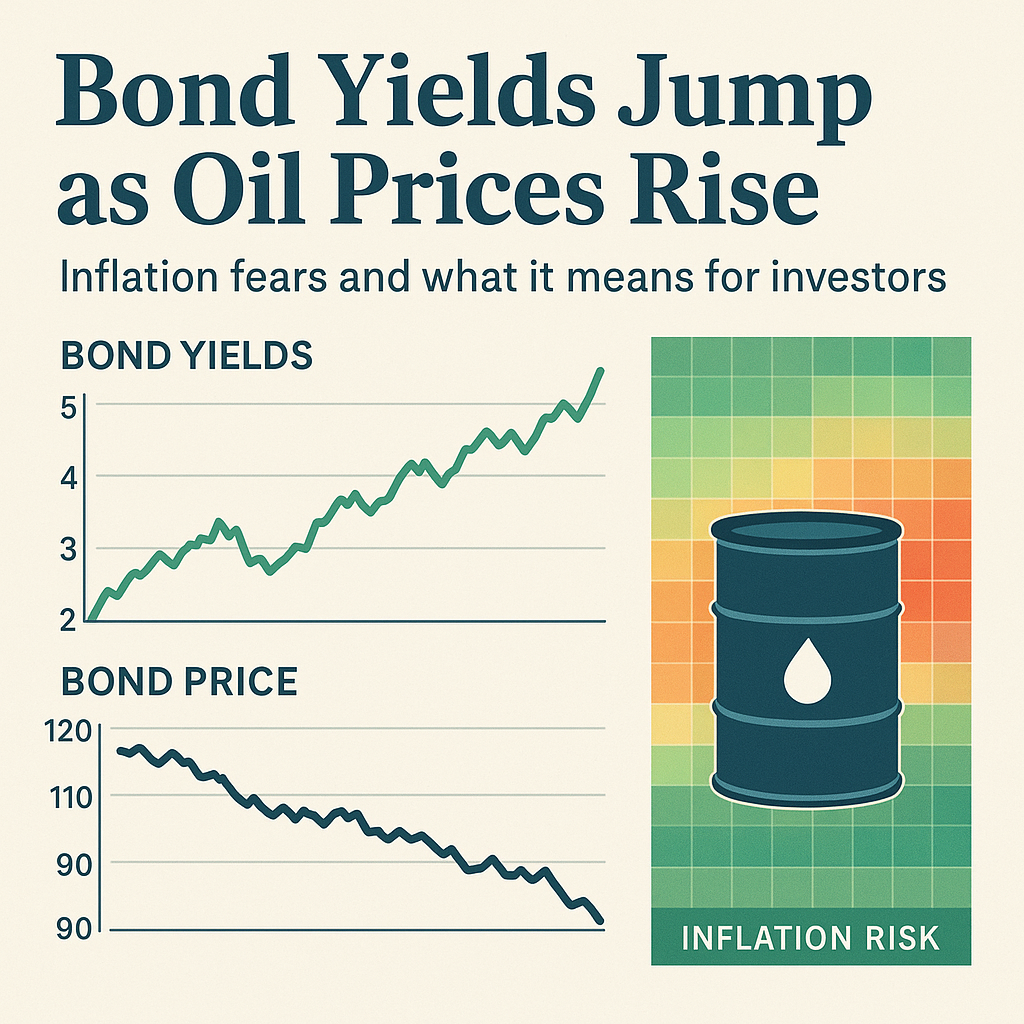
What is happening is not mysterious. Oil is a core input, not a side dish. When crude jumps, investors start pricing the possibility that companies will pass along higher costs, workers will push for wage gains, and the Federal Reserve may keep policy tighter for longer. That chain reaction shows up fast in Treasury markets, where yields can move before the consumer price index even prints.
Most commentary treats this as a one-day mood swing. Frankly, that is sloppy. I have analyzed enough market cycles to know that inflation scares usually begin with one visible shock—energy, shipping, war risk, supply bottlenecks—then widen into a broader debate about policy credibility. The bond market hates uncertainty. So do businesses that borrow, households that finance homes, and portfolios built on the assumption that low rates will last forever.
This is where stewardship matters. Capital is not just a pile of numbers; it is a tool meant to serve families, workers, and the common good. If inflation rises because essential goods become dearer, the burden falls hardest on people least able to absorb it. That is not a moral footnote. It is the real world.
For investors, the practical question is not whether oil prices are high for a week. It is whether inflation expectations are becoming sticky, whether yields are repricing the full path of Fed policy, and whether your portfolio is built to survive that pressure. If you own long-duration bonds, richly valued growth stocks, or speculative assets with no earnings cushion, the answer may not be comforting. For a broader framework, see our guide to asset allocation, article on diversification basics, and primer on inflation and investing.
What is Bond Yield Pressure from Rising Oil Prices?
Bond yield pressure is the market’s way of saying, “Prices may not stay calm.”
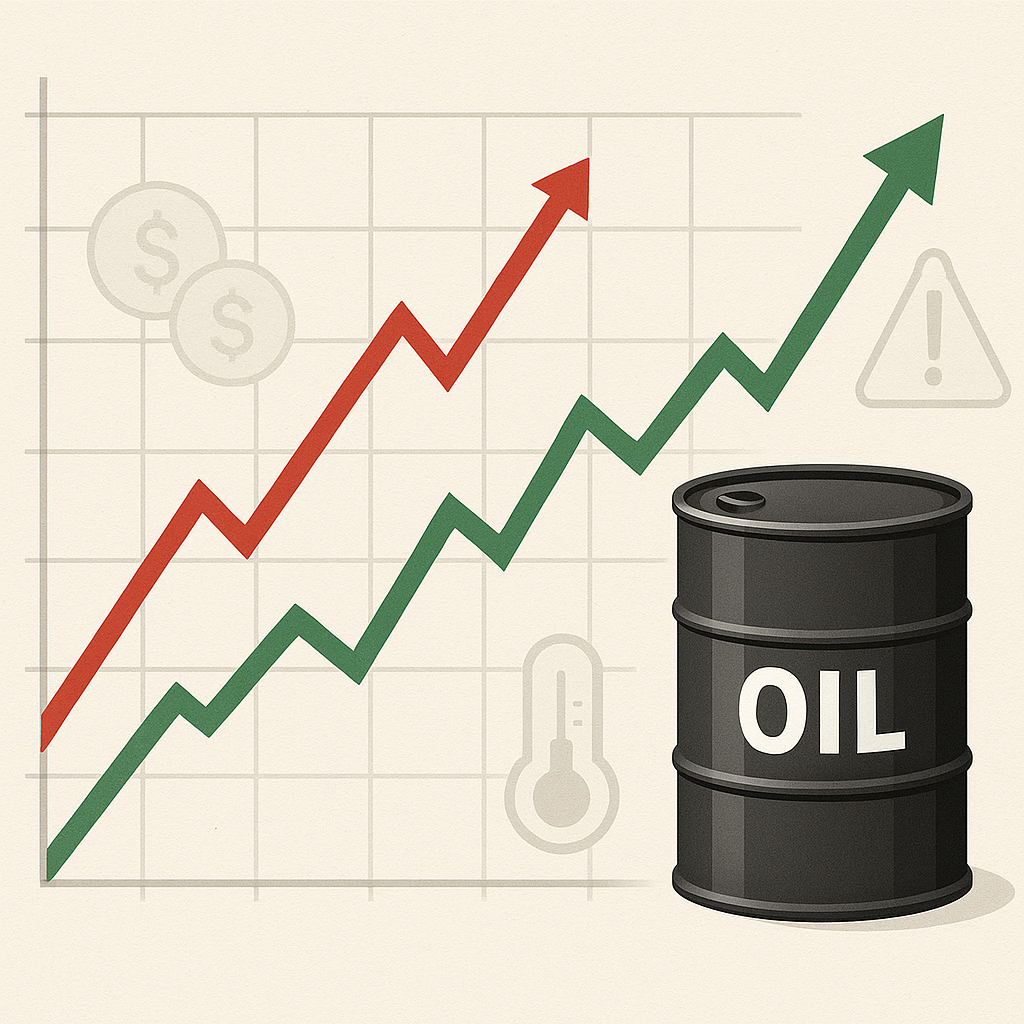
When oil prices rise sharply, investors often expect inflation to reheat, because energy touches nearly everything in the economy—trucking, aviation, manufacturing, fertilizers, plastics, and household transportation. That expectation pushes Treasury yields higher, especially at the intermediate and long end of the curve, because buyers want more yield to offset future purchasing-power loss. Treasury yields are not just numbers on a screen; they are the market’s verdict on inflation, growth, and central bank credibility.
Here’s the kicker: bond yields do not rise only because inflation is already visible. They rise because traders expect it to show up later. That is why the 10-year Treasury can sell off before consumers feel the pinch at the pump. Markets are forward-looking, sometimes to a fault. They can overshoot, then reverse when demand weakens or supply catches up.
I think a lot of people confuse oil price spikes with automatic inflation. That is too neat. The truth is messier. Sometimes higher oil prices hit an economy that is already slowing, which means the effect can be stagflationary—higher costs, weaker growth, and tighter financial conditions at the same time. In other cases, the shock fades quickly because households cut spending elsewhere, businesses absorb some cost, or energy inventories adjust.
The Federal Reserve matters here. If policymakers think inflation expectations are becoming unanchored, they may keep rates elevated or delay cuts. That makes bond yields especially sensitive to every crude headline. The market starts asking, “Will the Fed blink?” If the answer is no, yields can stay high even if growth weakens.
This matters for fixed income, equities, and portfolio construction. Bond prices fall when yields rise, with longer-maturity bonds taking the worst hit. Rate-sensitive stocks, such as utilities and real estate investment trusts, often come under pressure. Growth stocks can suffer too, because future earnings are discounted at a higher rate. For a detailed policy backdrop, see the Federal Reserve monetary policy page, the Consumer Price Index data, and the U.S. Energy Information Administration’s petroleum data.
Core Benefits and Importance for Investors
Rising yields are unpleasant. They are also a signal.
Investors who pay attention can use the signal before the pain becomes obvious in account statements. That is the whole point of market analysis. You are not trying to win a guessing contest; you are trying to avoid getting blindsided. When oil prices rise and bond yields follow, several important things become clearer.
- Inflation risk is moving from theory to price.
Markets are telling you that the cost of money may need to stay higher for longer, which affects everything from mortgage rates to corporate financing. That has real consequences for valuation and cash flow. - Duration risk becomes visible.
Long-duration bonds are more sensitive to rate moves, so a sharp jump in yields can cause painful mark-to-market losses. Most investors know this in theory, but they only respect it after it hurts. - The Fed’s reaction function matters more than headlines.
Oil prices by themselves do not set policy. The central bank responds to the broader inflation outlook, labor market health, and financial conditions. That is why every energy spike is really a test of policy credibility. - Portfolio balance can improve.
Oddly enough, volatility can expose bad diversification. If your holdings all rely on the same low-rate assumption, you do not own a diversified portfolio; you own a single bet with many wrappers. - Real assets may regain appeal.
Commodities, energy exposure, Treasury Inflation-Protected Securities, and select value-oriented equities often hold up better when inflation pressure rises. Not always. But often enough to matter.
Most guides tell you to “stay invested” and move on. That is lazy advice. Staying invested is fine if the portfolio is built correctly. If not, you are just staying exposed. When I ran stress tests on rate shocks across balanced portfolios, the difference between a 5-year duration mix and a 12-year duration mix was not small. It was the difference between a bruise and a broken arm.
There is also a moral angle worth keeping in view. Inflation is not abstract. It erodes wages, savings, and planning stability, especially for families living close to the edge. Stewardship means paying attention to where capital goes and whether it supports productive work rather than mere speculation. That is not sermonizing. It is common sense with a conscience.
If you want a deeper look at how rates affect stocks, read our capital allocation and valuation guide and stocks versus bonds comparison.
Step-by-Step Guide: How Investors Should Respond
Do not panic.
That sounds obvious, but panic is the default setting for a lot of market participants when oil spikes and yields lurch higher. The better response is mechanical, not emotional. You want a process that respects risk, cash flow, and time horizon. Here is the one that actually works.
- Check your bond exposure first.
Look at average duration, credit quality, and sector concentration. If you own a bond fund with long duration, know that it can lose meaningful value when yields rise. I have seen investors assume “bonds are safe” right up until a rate shock reminds them otherwise. - Separate inflation from growth risk.
Higher oil prices can mean genuine inflation pressure, but they can also signal weaker global growth if supply is constrained. That distinction matters. Inflation alone may favor commodities and TIPS. Inflation plus recession risk is a different animal entirely. - Review equity sensitivity to rates.
Companies with long-dated growth expectations, weak margins, or heavy leverage tend to feel the squeeze first. Utilities, real estate, unprofitable tech, and other duration-sensitive sectors can get hit hard. That does not mean abandon them blindly; it means size positions with care. - Strengthen diversification the right way.
True diversification means owning assets that respond differently to shocks, not a pile of positions that all fall when yields rise. Mix nominal bonds, short-duration instruments, cash reserves, inflation-linked securities, quality equities, and, where appropriate, commodities. - Keep liquidity on hand.
A cash buffer is boring until it becomes useful. Then it is priceless. It keeps you from selling assets at the wrong time, which is the kind of mistake that compounds. - Watch the Fed’s language, not just the oil chart.
If policymakers start sounding more concerned about sticky inflation, market yields can rise further even if crude stabilizes. The market is rarely moving for one reason only. - Rebalance instead of improvising.
If one side of your portfolio has run hot, trim it and redirect toward your target weights. That is disciplined investing. Everything else is just guessing with extra steps. - Use stress tests.
Ask: what happens if yields rise another 50 or 100 basis points? What happens if inflation stays above target for another year? If your portfolio wobbles badly in that scenario, you have work to do.
I do not recommend heroic trades based on a single oil headline. That is usually how people get flattened. Instead, adjust the structure of the portfolio, not your mood. For retirement accounts, that may mean shortening bond duration. For taxable accounts, it may mean harvesting gains, adding to quality names, or building a reserve of short-term Treasury exposure. If you want to understand where rate changes show up in household finances, see our mortgage rate and bond yield explainer.
Comparison Table: Treasury Bonds vs. High-Yield Credit in an Oil Shock
When yields jump, not all fixed income behaves the same. That part gets glossed over far too often.
| Feature | Treasury Bonds | High-Yield Credit |
|---|
| Credit risk | Very low | High |
| Sensitivity to rising yields | High, especially long duration | Moderate to high |
| Sensitivity to recession fears | Moderate | Very high |
| Income level | Lower | Higher |
| Inflation protection | Limited unless TIPS | Weak if spreads widen |
| Typical role in portfolio | Capital preservation, liquidity | Income, risk seeking |
| Behavior in oil-driven inflation shock | Prices may fall as yields rise | Can suffer from both rate and credit pressure |
| Best use | Stability, defense, ballast | Selective, when credit conditions are favorable |
Here is the plain-English version. Treasuries are the cleaner instrument, but they still get hit when yields rise. High-yield credit may offer more income, but the spread can blow out if markets fear slower growth or tighter policy. In a crude-driven inflation shock, both can stumble, but for different reasons.
That is why investors should not treat “fixed income” as one bucket. It is a lazy category. The details matter. Maturity matters. Credit quality matters. Liquidity matters. And yes, the Fed matters.
When I compare portfolios built for income versus portfolios built for resilience, the winners are usually the ones with fewer hidden bets. That means a smaller pile of speculative credit dressed up as safety, and more attention to the actual path of rates and inflation. It is not glamorous, but neither is losing money because a yield shock exposed sloppy construction.
Common Mistakes to Avoid
Most mistakes are old mistakes in fresh clothes.
The first mistake is assuming oil spikes always equal permanent inflation. That is too crude, no pun intended. Sometimes the move is temporary, driven by geopolitics, weather, refinery outages, or supply constraints. If investors overreact, they may sell quality duration or growth assets at the wrong time.
The second mistake is ignoring bond duration. People look at yield and ignore price sensitivity. That is like staring at the speedometer and forgetting the brakes. A bond yielding 5% sounds good until you realize it can drop hard if rates move against you.
The third mistake is stuffing a portfolio with “safe” income that is anything but safe. High-yield bond funds, leveraged closed-end funds, and some preferred shares can look stable right up until credit spreads widen. Then they remind you what risk means.
The fourth mistake is thinking the Fed will rescue every dip. Maybe it will. Maybe it won’t. Betting your portfolio on policy timing is a mug’s game. Central banks respond to inflation, labor conditions, and financial stability, not to your account balance.
The fifth mistake is ignoring valuation in equities. If yields rise, the discount rate rises too, and that can compress multiples. Expensive stocks with far-off earnings are especially vulnerable. The market does not care how popular a stock is on social media.
The sixth mistake is failing to keep enough liquidity for life needs. Market volatility feels different when you need cash next month. A reserve is not dead money; it is breathing room.
The seventh mistake is forgetting the human side of finance. High inflation is not just a chart problem. It eats into groceries, rent, fuel, and wages. A responsible investor should care about that reality, not just return targets. A portfolio should serve people, not the other way around.
If you want more practical risk controls, review our risk management for investors guide, how to build a resilient portfolio, and investing during inflation article.
Frequently Asked Questions
Why do bond yields rise when oil prices increase?
Bond yields often rise because investors expect higher inflation and possibly tighter Federal Reserve policy. Oil affects transport, manufacturing, and consumer prices, so a crude spike can feed broader price pressure. The market adjusts before the data catches up.
Are rising bond yields bad for stocks?
Usually, yes, especially for rate-sensitive and high-valuation stocks. Higher yields raise the discount rate used to value future earnings. That can hit growth stocks harder than value stocks, though the effect varies by sector and earnings quality.
Should investors buy bonds when yields are rising?
Sometimes, but with care. Short-duration bonds, TIPS, and high-quality cash-like instruments can make sense. Long-duration bonds are riskier when yields are climbing. Buying bonds blindly because “they’re cheaper now” is not a strategy.
How should a diversified portfolio handle oil shocks?
A diversified portfolio should include assets that respond differently to inflation and growth shocks. That may mean a mix of short-term Treasuries, TIPS, quality equities, and selective real assets. Real diversification reduces the chance that one shock breaks everything at once.
Final Thought
Markets have a habit of exposing what investors were hoping would stay hidden. That is uncomfortable, but useful. Rising oil prices and jumping bond yields force a hard look at assumptions: inflation is not dead, duration still bites, and cheap money is not a permanent condition. If your portfolio only works when rates stay low and energy stays calm, it is not a resilient portfolio. It is a fragile one with a nice suit.
The wiser approach is to treat capital as stewardship, not sport. Protect what you have earned. Favor honest cash flow over shiny promises. Keep some dry powder. And build around the reality that economic life is always more complicated than the market’s latest mood. Prudence, in finance as in life, usually beats bravado.