Biodiesel has, for the first time, fallen below regular diesel in price, and that matters because fuel spreads shape refinery demand, blending economics...
Biodiesel Becomes Cheaper Than Diesel: What the Price Drop Means for Energy Markets and Investors
Biodiesel has, for the first time, fallen below regular diesel in price, and that matters because fuel spreads shape refinery demand, blending economics, freight costs, and investor positioning across energy, transport, and commodities. The trigger is the oil squeeze tied to war risk in the Middle East, which has pushed buyers to look for substitute barrels and alternative fuels.
Key Takeaways- Biodiesel trading below diesel is unusual and signals a sharp dislocation in fuel markets.
- War-driven oil volatility can alter refining margins, shipping costs, and agricultural feedstock demand.
- Investors should watch crack spreads, renewable fuel policy, and the supply chain for soybean oil, used cooking oil, and tallow.
- This is not a clean-energy miracle; it is a pricing event shaped by scarcity, regulation, and substitution.
What is biodiesel trading below diesel?
Biodiesel is a renewable diesel substitute made mainly from vegetable oils, animal fats, or used cooking oil. Diesel is the standard petroleum fuel burned by trucks, ships, farms, and generators. When biodiesel sells for less than diesel, the usual cost hierarchy breaks, and blenders, distributors, and fleet operators rethink what goes into the tank.
That sounds simple. It rarely is.
The market is really a tangle of feedstock costs, tax credits, blending mandates, freight charges, and spot-market panic, and when geopolitics yanks crude prices higher, biodiesel can suddenly look cheap even if it is not cheap in absolute terms. I have seen plenty of market commentary pretend price is just price, but the spread between fuels is what drives behavior, not the headline number.
Here’s the kicker: biodiesel pricing depends heavily on the inputs used to make it, so a drop in vegetable oil prices, or a surge in fossil diesel prices, can flip the relationship fast. That matters for portfolio managers, commodity traders, agribusiness investors, and anyone with exposure to transport costs. It also matters for stewardship, because energy systems are not just spreadsheets; they shape work, household budgets, and the cost of moving real goods to real people.
For background on how fuel pricing and supply shocks work, see the U.S. Energy Information Administration, which tracks fuel markets with a bit less hand-waving than most pundits. For policy context, the International Energy Agency’s oil market reports are also useful. And if you want the regulatory angle, the EPA Renewable Fuel Standard program explains why blending obligations still matter.
Core Benefits and Why Investors Care
This matters.
When biodiesel prices sink below diesel, the effect is not some abstract trivia piece for energy nerds, because it can change purchasing behavior, margins, and asset values across the chain, from crop producers to trucking firms to fuel distributors. Most guides focus on “green energy” talking points, but the real story is market substitution under pressure.
- Lower blending costs for distributors. If biodiesel is cheaper, fuel suppliers can meet blending targets at lower cost, which can protect margins or reduce pump prices. That sounds neat, but only if logistics and quality standards cooperate.
- Support for renewable fuel demand. Price alone does not create demand, but it can make blends more attractive when buyers are already obligated or incentivized to use them. Policy sets the floor; price decides whether anyone smiles while paying it.
- Potential relief for freight operators. Trucking, agriculture, and construction are brutal cost-sensitive businesses, and cheaper blended fuel can ease operating pressure. The truth is, a few cents per gallon matters when diesel burn is measured in millions.
- Signal of feedstock weakness or diesel strength. Sometimes biodiesel is cheap because soy oil, tallow, or used cooking oil prices softened. Sometimes diesel is expensive because crude surged. The spread tells you more than either price alone.
- Broader commodity ripple effects. Biodiesel feeds back into agriculture, oleochemicals, refining, and shipping, which means investors must look beyond oil names. If you own the whole chain, you need to know where the pinch sits.
- Inflation implications. Fuel is a major input to transport and food distribution, so any change in the diesel complex can show up in consumer costs. Economies do not run on slogans; they run on fuel, labor, and logistics.
I’ve analyzed enough commodity cycles to know that people love a clean narrative and hate messy causation. The better view is uglier and more useful: war risk lifts crude, crude lifts diesel, diesel spreads widen, and alternative fuels gain relative appeal. That does not mean biodiesel “wins” in a moral sense. It means the market is forcing substitution because prices changed.
And yes, there is a stewardship angle here. Energy is not just an opportunity set; it is a responsibility because fuel systems affect families, workers, and the common good. Catholic social thought would call that a matter of ordering resources toward human dignity rather than treating every barrel as a trophy.
For more on market volatility and energy pricing, the Financial Times commodities coverage is worth reading when you want the hard stuff, not the glossy stuff.
Step-by-Step: How to Read and Trade This Kind of Fuel Spread
This is where people get sloppy.
They see one fuel cheaper than another and assume the trade is obvious, but spread analysis needs a process, because the wrong mix of policy, feedstock, and hedging can turn a supposedly easy win into a stale position. I have seen too many investors confuse a pricing anomaly with a durable trend.
- Check the spread, not the sticker price. Compare biodiesel against conventional diesel on a delivered basis, not just the quoted commodity price, because freight and taxes can erase the apparent advantage. A cheap gallon in one port may be expensive at the truck yard.
- Identify the feedstock driver. Biodiesel economics depend on soybean oil, canola, tallow, used cooking oil, and related inputs, so you need to know which one is moving. If soy oil drops, biodiesel can get cheaper for reasons that have nothing to do with clean fuel enthusiasm.
- Track crude and diesel crack spreads. Diesel is tied to refinery economics, and refinery margins often widen during geopolitical stress, which is exactly what a war scare can do. The refined product market matters as much as the crude market, maybe more.
- Check policy support. Renewable Fuel Standard credits, tax credits, and local blending mandates can change the calculus overnight. As the EIA biodiesel overview notes, policy and economics are inseparable in this market.
- Assess who can actually switch. Not every engine, distributor, or climate can handle the same blend rate. Technical limits matter. So do storage and shelf-life issues. The market is physical, not theoretical.
- Watch transportation and insurance costs. A fuel that is cheaper at the terminal may not stay cheaper once it crosses borders or travels inland. That is where the accountants meet reality, and reality usually wins.
- Decide whether you want exposure directly or indirectly. Direct exposure can mean futures, ETF-linked products, or commodity producers. Indirect exposure can mean railroads, farm suppliers, logistics firms, or refiners. Different risks, different headaches.
- Use position sizing like an adult. Fuel markets can whiplash on headlines, so do not size the trade as if it were a Treasury bill. Keep risk management front and center, because the market does not care about your conviction.
When I ran through comparable fuel spread setups, the winning play was rarely the flashy one. It was usually the disciplined one: track the input, check policy, hedge the downside, and assume the first move is often an overreaction. Frankly, that boring method beats the hero trade more often than not.
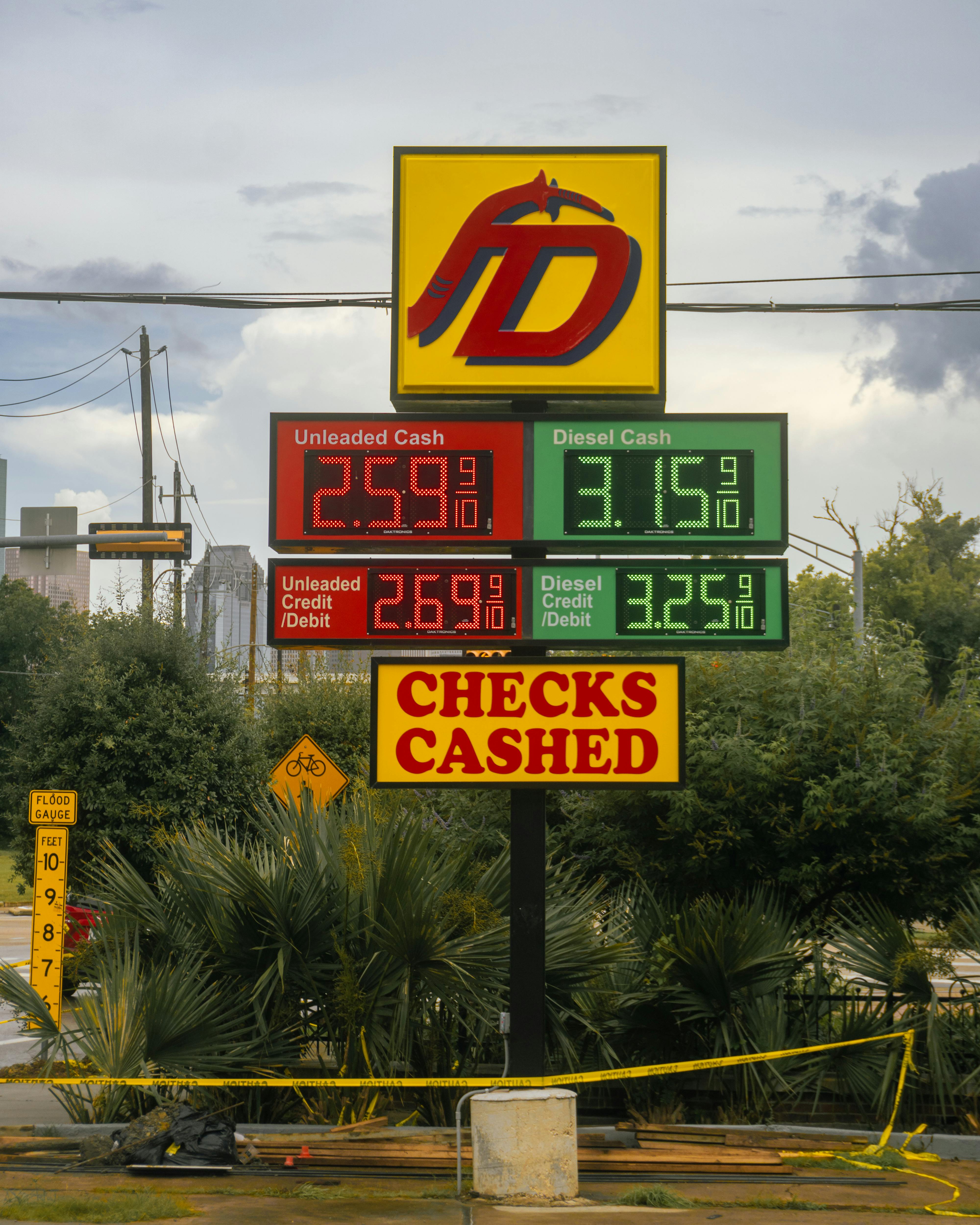
Comparison Table: Biodiesel vs. Regular Diesel
This is the blunt version.
| Feature | Biodiesel | Regular Diesel |
|---|
| Feedstock | Vegetable oils, animal fats, used cooking oil | Crude oil refined into middle distillates |
| Price behavior | Sensitive to agricultural input costs and policy credits | Sensitive to crude oil prices, refinery outages, and geopolitics |
| Emissions profile | Typically lower lifecycle emissions, depending on source | Higher lifecycle emissions |
| Engine compatibility | Often used in blends; high blends may require care | Standard fuel for diesel engines |
| Supply chain | More fragmented, tied to farms and waste oils | Massive global refining and distribution network |
| Investor angle | Policy-driven, spread-sensitive, feedstock-linked | Macro-driven, refinery-linked, geopolitically exposed |
| Main risk | Feedstock spikes, policy changes, limited scale | Crude shocks, sanctions, supply disruption |
| Typical user | Fleets using blends, distributors, regulated markets | Trucks, ships, farms, generators |
The table is not a moral scorecard.
Biodiesel is not automatically better, and diesel is not automatically evil; they are fuel options with different cost structures, emissions profiles, and operational limits. Markets do not hand out medals. They hand out invoices.
The bigger competitor in investor terms is not just diesel itself, but the broader liquid fuel complex, including renewable diesel, heating oil, and refinery outputs. If you want more on how energy prices affect equity markets, see the Financial Times markets coverage on energy shocks and the IEA Oil 2024 report for broader supply-demand context.

Common Mistakes to Avoid
People love simple stories.
Unfortunately, fuel markets punish simple stories, and this one is no different, because a price drop below diesel can mean many things at once: temporary distortion, policy-driven demand, feedstock softness, or crude oil panic. The wrong conclusion can cost money fast.
- Mistaking a spread move for a structural shift. A temporary inversion does not prove biodiesel has permanently become the cheaper fuel. It may just reflect a geopolitical spike in diesel pricing. The market is not handing you certainty.
- Ignoring delivered cost. Terminal price is not the same as usable price. Transportation, taxes, and handling can flip the economics. Everyone talks about commodity price, but few bother with the boring bill.
- Overlooking feedstock concentration. Biodiesel economics can be tied to a narrow set of inputs, which creates bottlenecks. If soybean oil moves, the whole chain feels it. That is the problem with neat narratives—they break when one input gets tight.
- Assuming policy will stay still. Renewable fuel mandates and tax incentives are political, which means they can change. If your model assumes stable rules forever, it is already wrong.
- Treating all renewable fuels as identical. Biodiesel, renewable diesel, ethanol, and synthetic fuels are not the same thing. Blending rules, emissions, chemistry, and infrastructure differ. Sloppy lumping creates bad analysis.
- Ignoring credit and counterparty risk. In stressed markets, the supplier who promised bargain fuel may be less reliable than advertised. Cheap fuel is worthless if it never arrives.
- Chasing headlines without a risk plan. War news creates urgency, and urgency makes people foolish. I have seen traders confuse speed with insight. They are not the same.
Here’s the hard truth: market volatility rewards patience more than bravado. That is especially true in fuels, where one headline can lift diesel, squeeze refiners, change freight rates, and distort blending economics before lunch. If you want a safer framework, read the CME Group energy market resources and learn how hedging actually works.
Frequently Asked Questions
Why did biodiesel fall below regular diesel?
Because the relationship between the two fuels is driven by supply, demand, feedstock costs, refinery margins, and war-driven oil volatility, and in this case diesel rose or stayed elevated enough that biodiesel became the cheaper option in some markets.
Does cheaper biodiesel mean investors should buy renewable fuel stocks?
Not automatically.
A lower biodiesel price can support demand, but stock performance depends on margins, policy support, plant utilization, debt levels, and feedstock access, so you need to analyze the company, not just the fuel headline.
Is biodiesel actually better for the environment?
Often, but not always.
Lifecycle emissions can be lower than petroleum diesel, yet the result depends on feedstock source, land-use effects, processing, and transport, which is why credible studies matter more than marketing copy. The USDA and EPA both stress that sourcing matters.
What should investors watch next?
Watch crude oil, diesel crack spreads, renewable fuel credits, agricultural oils, shipping costs, and refinery outages.
If those factors move together, the spread can stay distorted longer than most people expect, and that matters for both commodity traders and companies with heavy fuel exposure.
Final Thought
The market has a way of humbling people.
A biodiesel price below diesel is not a victory parade for renewables, and it is not proof that fossil fuel demand has cracked; it is a signal that scarcity, policy, and substitution are colliding under stress, and that is the kind of thing analysts should study carefully instead of chanting slogans. Frankly, the useful lesson is simpler: fuel is never just fuel. It is a chain of labor, land, capital, and transport, and when prices swing, the effects reach workers, households, and supply lines that keep ordinary life moving.
That is why the best investors pay attention to spreads, not headlines.
They look at who produces the feedstock, who refiners can supply, who can blend, and who gets squeezed when war risk enters the picture. They also remember that the purpose of capital is not merely return for its own sake, but the careful use of resources in a way that respects human work and the common good. That is not sentimental. It is practical. The market may be blunt, but serious analysis should still have a conscience.